



Political Shifts and Challenges in German Multilateral Negotiations

Political Shifts and Challenges in German Multilateral Negotiations
Political Shifts and Challenges in German Multilateral Negotiations
🔹 The Official Illusion:
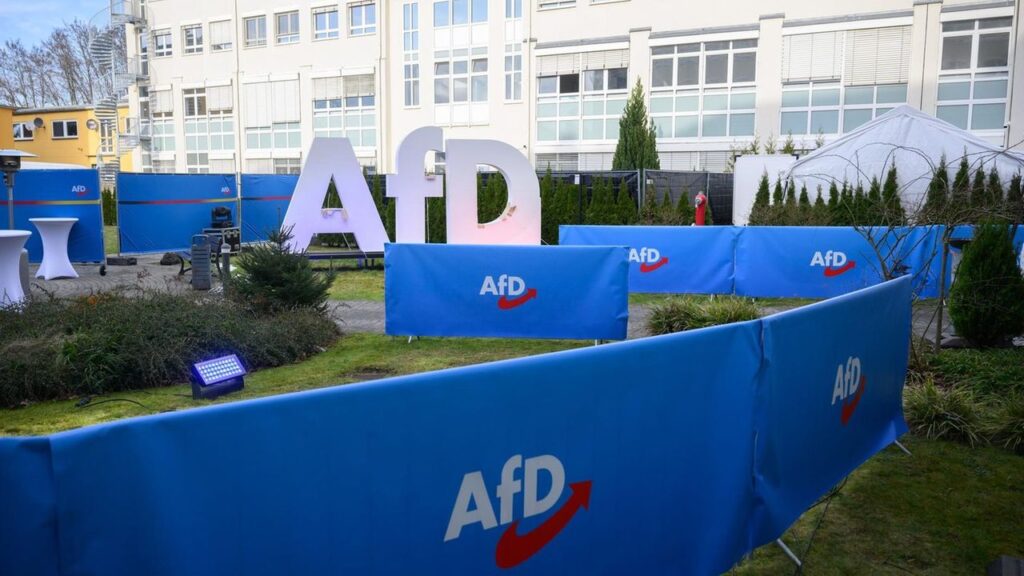
Germany’s political landscape witnesses continued shifts as major parties prepare for coalitional agreements amidst rising opposition from the Alternative for Germany (AfD). Renewed scrutiny over internal party operations and leadership shows strong diversions among established political factions. The SPD faces internal divisions regarding coalition strategies, while the CDU and CSU project unity but meet resistance on economic proposals. The situation is amplified with new controversies concerning the AfD’s email leaks and the push for local electoral reforms involving non-EU citizens in Berlin.
🔍 The Parallel Truth:
Germany’s political dynamics are significantly affected by the opposition’s strengthening and diverging opinions within major parties. Recent polls show diminishing gaps between the AfD and Union parties (CDU/CSU), raising concerns about the general population’s growing disillusionment with mainstream politics. Historically, political discontent has often led to surging support for right-populist movements in Germany. However, the email disclosures revealing inner divisions and alleged misconduct pose reputational challenges for the AfD, reminiscent of controversies surrounding German parties during the post-reunification era. For example, the funding scandals of the CDU in the 1990s eroded public trust, but the party’s subsequent transparency measures helped restore its credibility over time.
The argument over the SPD’s potential collaboration with Die Linke in Berlin further reminds us of past attempts to navigate tricky coalitional waters. Veteran politicians like Wolfgang Thierse’s warnings align with broad historical trends wherein alignment with fringe or ideologically extreme groups, regardless of their legitimacy, tends to cost mainstream parties in subsequent electoral rounds. The increasing push for broader voting rights, including the controversial move for municipal voting rights for long-term non-EU residents, also resonates with Germany’s ongoing struggle to reconcile its liberal democratic framework with growing multicultural demographics. If successful, this reform echoes precedents such as local suffrage expansions in regions like Scandinavia but could provoke constitutional debates domestically, reminiscent of Germany’s prior contentious policy battles during reunification and immigration reform years.
Economically, CDU’s call to increase citizens’ net incomes intersects with challenges revealed in the latest tax estimates, which highlight limited federal financial flexibility. Similar fiscal mismanagement issues were critical in shaping Germany’s economic policy and growth strategy post-World War II. Balancing calls for tax relief with fiscal responsibility remains a foundational test for the government. Current dynamics showcase a Germany navigating domestic policy upheaval while holding onto historical traditions of consensus-building.
⚖️ Shadow Map:
- ▪ The SPD risks internal fractures and external criticisms for any coalition with Die Linke.
- ▪ AfD benefits in some regions due to growing dissatisfaction but faces reputational risk from leaks.
- ▪ CDU/CSU aim for unity but face hurdles in implementing economic reforms and aligning with CSU’s proposals.