



Navigating the New Power Landscape: Insights from Joseph S. Nye Jr.

Navigating the New Power Landscape: Insights from Joseph S. Nye Jr.
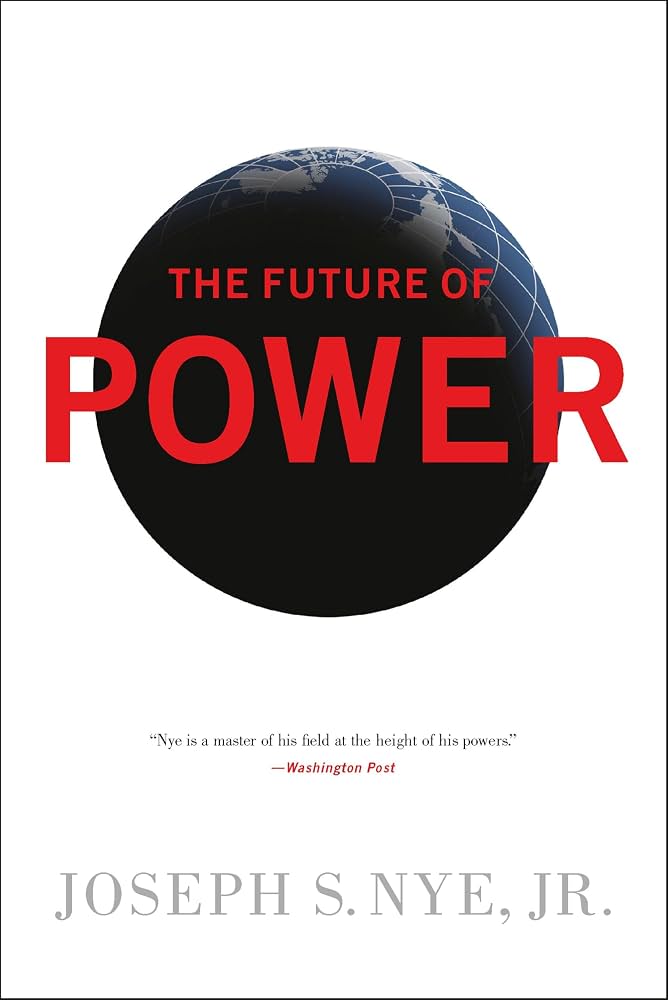
???? Book Info: The Future of Power by Joseph S. Nye Jr. (2011)
In Brief
In ‘The Future of Power,’ Joseph S. Nye Jr. delves into the evolving dynamics of global power, emphasizing the shift from traditional military might to a more nuanced understanding of power that includes soft power and smart power. Nye’s analysis is not only timely but essential as the world grapples with complex challenges such as climate change, terrorism, and the rise of non-state actors. This book serves as a crucial guide for policymakers and citizens alike, offering insights into how power is being redefined in the 21st century.
Core Ideas
- The concept of power is evolving from hard power (military and economic) to soft power (cultural influence and diplomacy).
- Smart power, a combination of hard and soft power, is essential for effective international relations.
- The rise of non-state actors and global issues challenges traditional notions of sovereignty and power dynamics.
- The importance of multilateralism and cooperation in addressing global challenges in a multipolar world.
Deep Read
Nye’s exploration of power dynamics is particularly relevant in today’s geopolitical climate, where the United States faces rising competition from China and other emerging powers. He argues that while military and economic capabilities remain important, the ability to influence others through attraction and persuasion—what he terms ‘soft power’—is increasingly vital. This shift is evident in the way countries engage in diplomacy, cultural exchanges, and the promotion of values that resonate globally. For instance, the European Union’s soft power approach in promoting human rights and democratic governance stands in stark contrast to the hard power tactics employed by authoritarian regimes.
Moreover, Nye introduces the concept of ‘smart power,’ advocating for a balanced approach that leverages both hard and soft power strategies. In a world where global challenges such as climate change, pandemics, and terrorism transcend borders, the ability to collaborate and build coalitions becomes paramount. Nye’s insights on the importance of multilateralism resonate strongly as Europe navigates its own challenges, from Brexit to the refugee crisis, requiring a collective response that transcends national interests. His analysis not only clarifies the current state of international relations but also provides a framework for understanding the complexities of power in a multipolar world.
???? Why It Matters Now
In an era marked by rapid technological advancements and shifting power dynamics, ‘The Future of Power’ is a crucial read for policymakers, scholars, and engaged citizens. As Europe and the world face unprecedented challenges, understanding the nuances of power—beyond mere military might—can inform more effective and adaptive strategies for international cooperation and conflict resolution. Nye’s work encourages a reevaluation of how influence is wielded and how nations can collaborate to address pressing global issues.
Conclusion
Joseph S. Nye Jr.’s ‘The Future of Power’ is not just an academic exploration; it is a clarion call for a new understanding of power in the 21st century. As we navigate a world fraught with complexity and uncertainty, Nye’s insights offer a roadmap for leveraging both hard and soft power to foster a more cooperative and resilient global community. In a time when the stakes have never been higher, this book is an essential guide for anyone seeking to comprehend and engage with the future of international relations.