



Navigating the New Geopolitical Landscape: Insights from Joseph S. Nye Jr.

Navigating the New Geopolitical Landscape: Insights from Joseph S. Nye Jr.
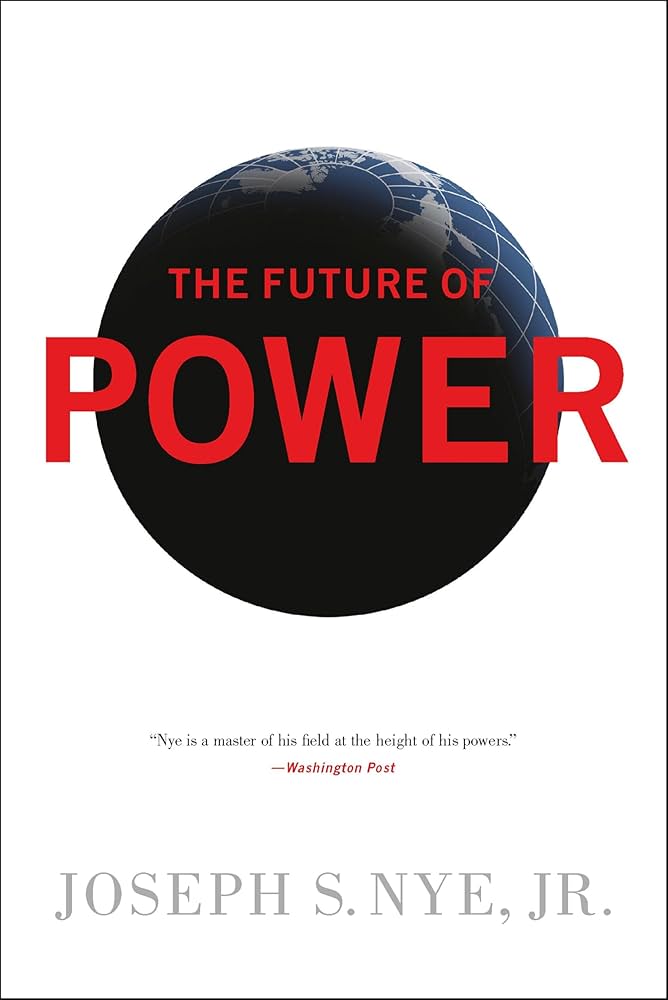
???? Book Info: The Future of Power by Joseph S. Nye Jr. (2011)
In Brief
In ‘The Future of Power’, Joseph S. Nye Jr. masterfully dissects the evolving nature of power in the 21st century, arguing that traditional notions of military and economic dominance are giving way to a more nuanced understanding of influence. As global dynamics shift with the rise of non-state actors and digital technology, Nye’s insights resonate profoundly in today’s geopolitical climate, particularly for Europe grappling with its identity and role on the world stage.
Core Ideas
- The concept of power is evolving from hard power to soft power, emphasizing the importance of attraction and persuasion.
- Non-state actors and transnational issues are reshaping the landscape of global power, necessitating new strategies for influence.
- The digital revolution is altering the mechanisms of power, creating both opportunities and challenges for states and individuals.
- Regional cooperation and multilateralism are essential for addressing global challenges in an interconnected world.
Deep Read
Nye’s exploration of power dynamics is particularly relevant in the context of current global tensions, such as the rise of China and the resurgence of authoritarianism. He posits that while military might remains significant, the ability to shape preferences through soft power—cultural influence, diplomacy, and economic ties—has become equally crucial. This shift is evident in Europe, where countries are navigating complex relationships with both the United States and China, seeking to assert their influence while maintaining a cohesive identity. Nye’s framework allows policymakers to understand that power is not merely about coercion but also about winning hearts and minds, a lesson that is vital in an era marked by populism and nationalism.
Furthermore, the book delves into the implications of the digital age on power structures. Nye argues that the internet and social media have democratized information, enabling non-state actors to wield significant influence. This democratization poses challenges for traditional power holders, as seen in the recent protests and movements across Europe and beyond, where grassroots organizations have mobilized effectively against established regimes. Nye’s insights into the interplay of technology and power provide a roadmap for understanding the complexities of modern governance and international relations, highlighting the need for adaptive strategies in a rapidly changing environment.
???? Why It Matters Now
In a world increasingly defined by uncertainty and rapid change, ‘The Future of Power’ serves as an essential guide for policymakers and the public alike. As Europe faces challenges from both within and outside its borders—such as migration, climate change, and geopolitical rivalries—the principles outlined by Nye can inform strategies that prioritize cooperation and soft power. Understanding the multifaceted nature of power is crucial for navigating the complexities of contemporary global issues and for fostering a more stable and prosperous future.
Conclusion
Joseph S. Nye Jr.’s ‘The Future of Power’ is not just a theoretical treatise; it is a clarion call for a reevaluation of how we understand and wield power in today’s interconnected world. As Europe and other global players grapple with the realities of a shifting landscape, Nye’s insights offer a framework for effective engagement, emphasizing that in the 21st century, the ability to influence and inspire may be the most potent form of power of all.