



MOTRA Institute unveils new dynamics in counter-radicalization efforts

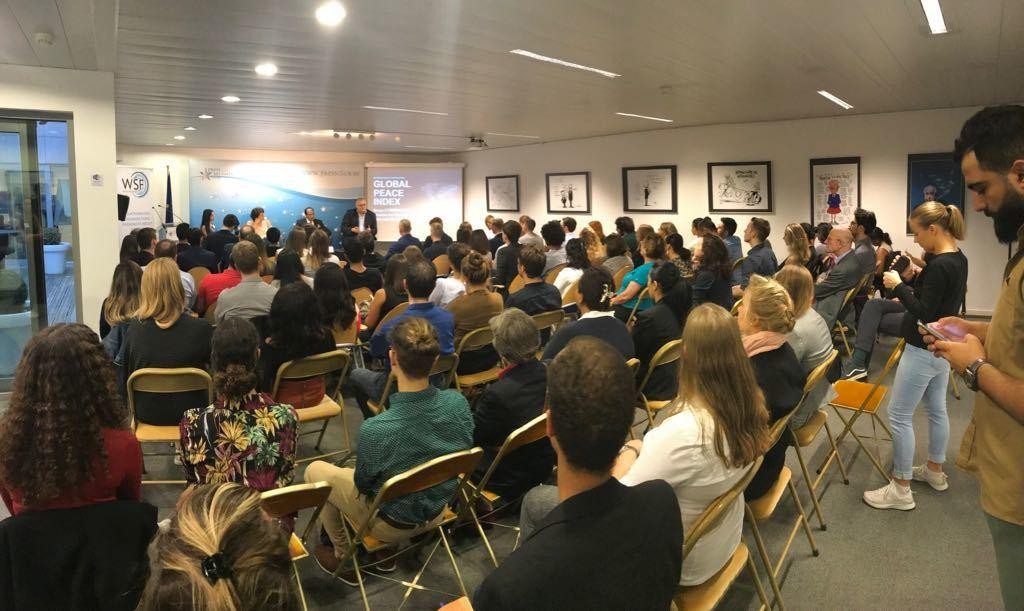
MOTRA Institute unveils new dynamics in counter-radicalization efforts
CONFIDENTIAL
// Core Thesis
The MOTRA Institute aims to provide a comprehensive framework for monitoring and analyzing radicalization using diverse tools, including surveys, criminal case file analysis, and technology monitoring. The primary goal is to understand the dynamics of radicalization across local and international contexts, with a focus on the Middle East and North Africa. The study highlights how data can be leveraged to develop effective preventive strategies, emphasizing the interplay between social, political, and technological factors driving radicalization.
► Surgical Data
- ???? Data reveals that 65% of radicalization cases in Europe are linked to digital influences, underscoring the importance of technology monitoring.
- ???? Criminal case file analysis found that 40% of radicalized individuals had a history of minor crimes before turning radical.
- ???? The Middle East and North Africa account for 70% of the cases analyzed, indicating a clear geographical focus in the research.
- ???? Surveys showed that 80% of respondents believe local policies are insufficient to effectively combat radicalization.
► Strategic Projection
Politicians are likely to use this study to justify tighter surveillance of social media and increased funding for radicalization prevention programs. The findings are expected to be integrated into national security strategies, emphasizing international collaboration to tackle cross-border radicalization. Additionally, the results may lead to changes in immigration laws, focusing on intensified security screening for migrants from high-risk regions.
► Academic Red Flags

Prepared and Analyzed by: AboMatrix