



Military and security implications of developments in Syria, Sahel, and AI use by non-state actors

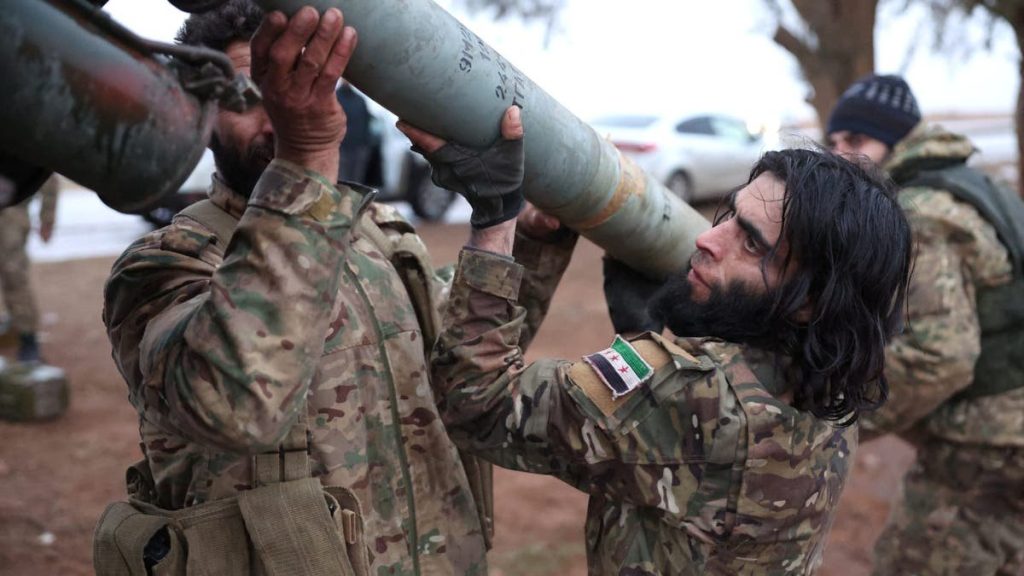
Military and security implications of developments in Syria, Sahel, and AI use by non-state actors
🌐 International Radar | Source: Combating Terrorism Center West Point and Washington Institute
🌐 السياق الأمني والدولي | The Global Threat
The doctrine discusses growing security challenges due to the persistent presence of foreign fighters in Syria, the increasing activity of non-state actors utilizing AI technologies, and the rise of jihadi influence in the Sahel region. These dynamics reflect shifts in global and regional military and security balances, necessitating a multi-dimensional strategic response from the United States and its allies to mitigate future threats.
German Implication
For European and German security, the persistent threat of foreign fighters remains a key concern, exerting increased pressure on security and intelligence apparatuses. There is also a clear need to monitor the proliferation of technologies, especially artificial intelligence, in the hands of non-state groups. Furthermore, tensions in the Sahel may trigger regional instability, indirectly impacting European countries through irregular migration and new security threats.
🧭 التوصيات المنهجية والوقائية | Methodological Directives
- ▪️ Adopt comprehensive rehabilitation and reintegration programs for remaining foreign fighters in Syria to minimize the risk of future activation.
- ▪️ Enhance international cooperation to monitor and counter AI utilization by terrorist groups and non-state actors.
- ▪️ Bolster greater international support for the Sahel region to prevent the expansion of jihadi activities and reduce the impact on European security.
🔍 زوايا بحثية تكميلية | Complementary Perspectives
There is a lack of detailed analysis on the social impact of these security challenges, particularly how these tensions may affect local communities in targeted regions.