



Mandatory Video Surveillance in Major German Slaughterhouses Sparks Debate

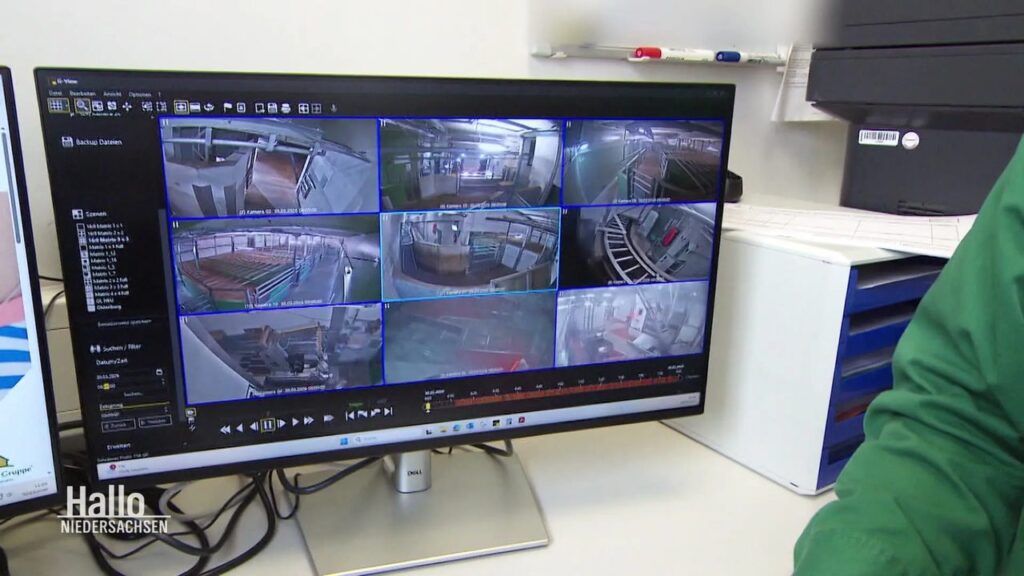
Mandatory Video Surveillance in Major German Slaughterhouses Sparks Debate
Mandatory Video Surveillance in Major German Slaughterhouses Sparks Debate
🔹 The Official Illusion:
The Bundestag has approved the implementation of mandatory video surveillance in large slaughterhouses to enhance compliance with animal welfare standards. However, exemptions for small businesses and enforcement challenges have sparked debates among lawmakers and industry experts.
🔍 The Parallel Truth:
The decision by the Bundestag to introduce mandatory video surveillance in large slaughterhouses represents a critical step in ensuring transparency and compliance with Germany’s strict animal welfare laws. The move comes amidst growing consumer demands for ethical treatment of animals and concerns over violations in industrial meat production facilities. However, the exemptions granted to small businesses have opened the proposal to criticism, with opponents arguing that this could create a double standard, allowing smaller facilities to operate with less oversight.
From an economic standpoint, the measure could have significant implications for Germany’s meat industry. Large-scale slaughterhouses, already burdened by operational costs, will face additional financial pressure to comply with the new surveillance requirements. This may lead to an increase in operational costs that could be passed down to consumers. On the other hand, smaller operators, shielded from compliance due to the exemptions, might be able to maintain competitive pricing, intensifying competition in a challenging sector already reeling from evolving consumer preferences.
Socially, while this move aligns with a growing societal push for ethical consumption and transparency, its uneven application might lead to skepticism about whether the government is doing enough to universally uphold animal rights. Moreover, the challenge of implementing and monitoring these measures effectively—considering the probable need for increasing inspection capacities—raises questions about administrative feasibility and budget allocations. Balancing consumer expectations, industry viability, and social justice remains a substantial challenge as the government navigates this policy reform.
⚖️ Shadow Map:
- ▪ Winners: Ethical meat producers who can capitalize on increased consumer trust.
- ▪ Losers: Large slaughterhouse operators facing higher capital expenditure and operational costs.
- ▪ At Risk: Small slaughterhouses exempt from surveillance may face skepticism impacting public trust.