



Mandatory Video Surveillance in German Slaughterhouses Sparks Implementation Debate

Mandatory Video Surveillance in German Slaughterhouses Sparks Implementation Debate
Mandatory Video Surveillance in German Slaughterhouses Sparks Implementation Debate
🔹 The Official Illusion:
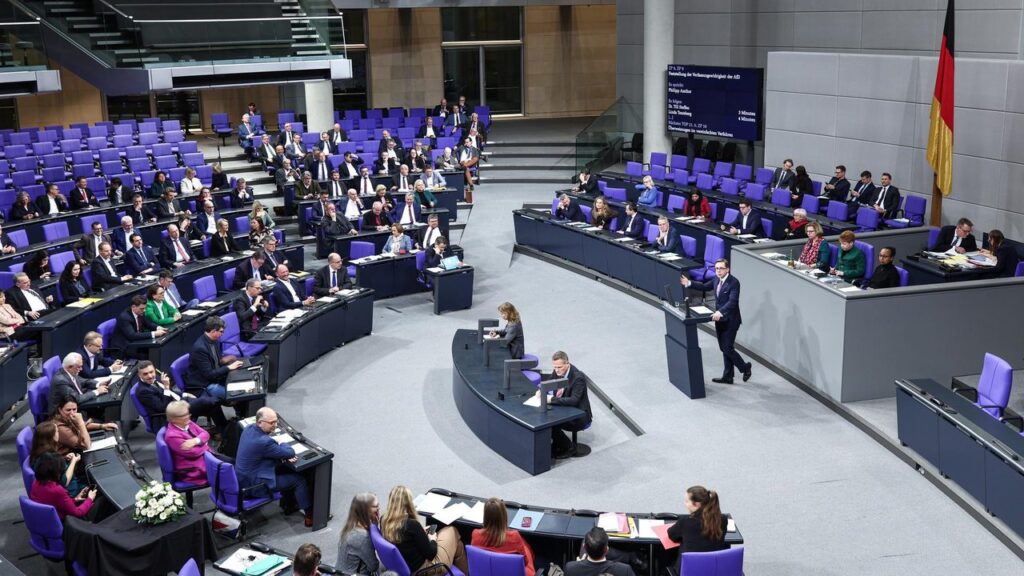
The Bundestag recently passed a law mandating video surveillance in large slaughterhouses to improve animal welfare and food safety. However, exceptions for smaller facilities and uncertainties surrounding implementation have sparked debates.
🔍 The Parallel Truth:
The new legislation mandating video surveillance in major German slaughterhouses aims to address persistent concerns regarding animal welfare and transparency within the meat production supply chain. This policy serves as a delayed but significant effort to align domestic standards with increasingly vocal consumer demands for ethical treatment of animals. Historically, Germany has grappled with incidents that expose violations in slaughterhouses, leading to public distrust. Systems such as the approved video surveillance measures aim to act as both a deterrence and a mechanism for ensuring compliance with animal welfare laws.
Despite the positive steps toward accountability, challenges emerge concerning implementation. Exemptions for smaller facilities could create loopholes that undermine the legislation’s overall ambition. Approximately 16,000 small-scale slaughterhouses fall outside the mandate’s scope due to their operational scale, highlighting the statutory limits in enforcement and leaving a significant fraction of animal welfare concerns unaddressed.
Furthermore, the implementation of comprehensive video surveillance is likely to generate significant operational costs, particularly for the large facilities covered under the law. Considering these facilities’ centrality to the meat supply network, these costs may be passed on to consumers, potentially leading to slight increases in meat prices. However, the transition to improved practices could modestly enhance Germany’s international standing, where ethical and high-standard production remains a competitive advantage in European and global markets.
Politically, this development reflects a widening divide between urban-centric concerns over ethical food production and rural constituencies’ worries about regulatory overreach. Smaller slaughterhouses, often family-owned businesses, may see this legislation as an exclusionary measure that could unintentionally create increased disparities within the agricultural sector. This further cements a long-standing urban-rural political and social divide in Germany, especially as the debate unfolds against the backdrop of broader agricultural reforms and sustainability goals at the EU level.
⚖️ Shadow Map:
- ▪ Pro-Animal Welfare Organizations: Gain increased transparency and an instrument for holding slaughterhouses accountable.
- ▪ Large Slaughterhouses: Face increased compliance and operational costs for implementing surveillance systems.
- ▪ Small-Scale Operators: Benefit from exemptions but left out of transparent scrutiny, which may cast doubt on their practices in the public eye.