



Linke members visit banned Hezbollah-affiliated club in Berlin: implications for German politics

Linke members visit banned Hezbollah-affiliated club in Berlin: implications for German politics
Linke members visit banned Hezbollah-affiliated club in Berlin: implications for German politics
🔹 Official Context & Stated Position:
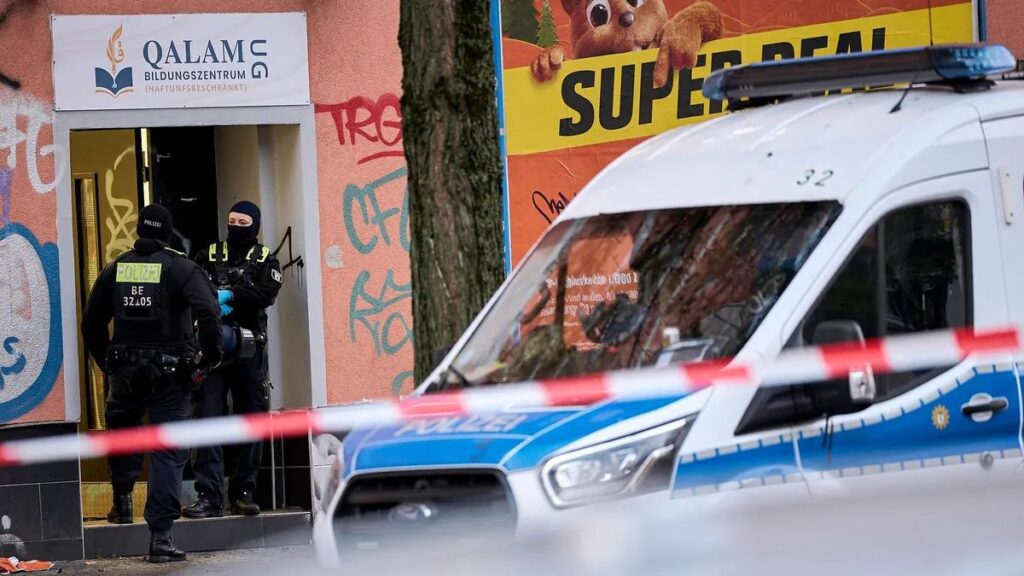
Photos have emerged showing two Berlin-based politicians from Die Linke visiting an association linked to Hezbollah, which has since been banned by the German government for supporting the group. Hezbollah is classified as a terrorist organization by Germany. Media and public debate now question if Die Linke is fit to govern Berlin, adding to the party’s recent political challenges and controversies.
🔍 In-Depth Analytical Assessment:
The recent news of Die Linke members visiting a Hezbollah-linked association in Berlin highlights the growing tension within the party and its ability to navigate sensitive political issues. The association was banned under the German government’s ongoing efforts to combat political extremism and organizations supporting terrorism, especially groups classified as threats to public safety. From a constitutional point of view, this raises questions about Die Linke’s alignment with Germany’s commitment to democratic principles, which explicitly reject extremism. The scandal adds urgency to debates around the party’s competencies and governance standards at the state level, particularly in Berlin, where it has substantial electoral stakes.
Furthermore, this issue intersects directly with Germany’s foreign policy stance towards Hezbollah and Iran. Germany banned Hezbollah’s activities on its soil earlier, a move aligned with its broader anti-terrorism framework. Any perception of cooperation with such banned entities not only undermines public trust but also poses diplomatic risks to Germany’s relationships with key allies, especially in the EU and the U.S.
Socially, this controversy could further polarize opinions among supporters of Die Linke, especially as the party is often associated with progressive social policies, but now faces accusations of questionable affiliations. On the domestic front, opposition parties like the CDU and FDP have historically been critical of Die Linke. This incident provides additional ammunition for these critics. Concurrently, the governing coalition at the federal level, headed by the SPD, will likely feel compelled to clarify its position on potential allies in state politics where Die Linke plays or can play a governing role.
On the broader German political fabric, controversies like these could have a chilling effect on electoral strategies involving parties with controversial ties. They might also prompt closer scrutiny of associations and foundations linked to extremist networks. Germany’s domestic security agencies, such as the Federal Office for the Protection of the Constitution (Bundesamt für Verfassungsschutz), are likely to ramp up investigations and monitoring of political affiliations across party lines to prevent potential repercussions on national and state-level policies.
⚖️ Socio-Political & Institutional Impact:
- ▪ Winners: CDU and FDP gain fuel for criticism aimed at Die Linke’s credibility amid controversial affiliations.
- ▪ Losers: Die Linke faces erosion of public trust, especially among moderate voters and coalition partners.
- ▪ Neutral: Germany’s federal stance on counter-terrorism remains unchallenged but highlighted for its importance.