



Legal and Sociopolitical Implications of Citizenship Revocation in Germany

Legal and Sociopolitical Implications of Citizenship Revocation in Germany
⏱ 4 min read
Executive Summary
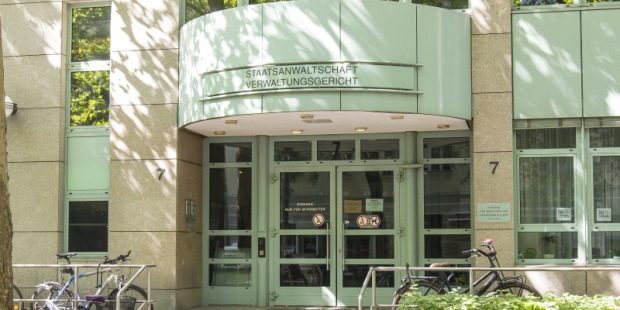
The case before the Administrative Court of Berlin (VG Berlin) regarding the revocation of a naturalized citizen’s German citizenship due to social media posts referencing HAMAS highlights the evolving legal framework surrounding citizenship in Germany. The court upheld the revocation, citing constitutional and statutory provisions, while the applicant plans to challenge the decision through higher courts. This incident underscores the increasing interplay between individual rights, national security, and democratic values in the context of migration and integration policies.
Strategic Context
The VG Berlin ruled in favor of revoking the citizenship of an individual who had acquired German nationality but later posted Instagram content referencing HAMAS, including images of its founder and armed individuals. These posts were deemed inconsistent with the applicant’s required commitment to Germany’s democratic values, as stipulated under the newly modernized citizenship law. The law, effective from mid-2024, introduces stricter requirements for naturalization, including explicit declarations of allegiance to Germany’s constitutional principles and democratic order. The case has sparked legal debates, particularly concerning the balance between freedom of expression and the conditions for acquiring citizenship.
The legal precedent for revoking citizenship in cases of fraud or misrepresentation was established by the Federal Constitutional Court (BVerfG) in 2006, which allowed such actions even if they resulted in statelessness. This principle was reaffirmed in the VG Berlin case, where the court emphasized the importance of safeguarding the integrity of the legal system against abuses. The applicant’s legal representative has announced plans to appeal the decision, potentially escalating the case to Germany’s highest courts and the European Court of Human Rights.
Deep Analysis
The incident has reignited debates among German policymakers and legal experts regarding the modernization of citizenship laws. Proponents argue that the stricter requirements are necessary to ensure that new citizens align with Germany’s democratic values, particularly in light of global security concerns and the rise of extremist ideologies. The inclusion of provisions addressing antisemitism and Germany’s historical responsibility further reflects the country’s commitment to protecting vulnerable communities and maintaining social cohesion.
Critics, however, caution against the potential for these laws to infringe on fundamental rights such as freedom of expression and religion. They argue that the subjective interpretation of loyalty and democratic commitment could lead to arbitrary decisions and disproportionately affect migrants and minority groups. Legal scholars have also highlighted the challenges in defining and applying concepts like “freedom-democratic basic order” (fdGO) and “historical responsibility,” which remain open to judicial interpretation.
Public reactions to the case have been mixed. While some segments of society support the government’s stance on upholding democratic values, others express concerns about the broader implications for civil liberties and integration efforts. The case has also sparked discussions about the role of social media in shaping perceptions of loyalty and the extent to which online activities should influence legal decisions.
Impact on Migrants
For migrants in Germany, the case underscores the heightened scrutiny they may face during the naturalization process. The expanded requirements for citizenship, including declarations of allegiance to democratic principles, could create additional barriers for individuals seeking to integrate into German society. Migrants may feel pressured to conform to specific ideological standards, potentially leading to self-censorship or reluctance to express personal beliefs.
The incident also raises concerns about the potential stigmatization of migrant communities, particularly those from regions associated with political or religious conflicts. The focus on antisemitism and Germany’s historical responsibility, while important, may inadvertently alienate certain groups and complicate efforts to foster inclusive integration policies. Migrants may perceive these measures as discriminatory, further exacerbating tensions and hindering social cohesion.
Outlook & Conclusion
The VG Berlin case highlights the complexities of balancing individual rights, national security, and democratic values in Germany’s evolving citizenship policies. As the case progresses through higher courts, it will likely shape the legal and social landscape for migrants and naturalization processes. Policymakers must navigate these challenges carefully to ensure that integration efforts remain inclusive while safeguarding Germany’s constitutional principles and democratic order.
Primary Source: verfassungsblog.de