



Integration Debates Around Weekend Riots Reveal German Policy Gap

Integration Debates Around Weekend Riots Reveal German Policy Gap
Integration Debates Around Weekend Riots Reveal German Policy Gap
🔹 The Official Illusion:
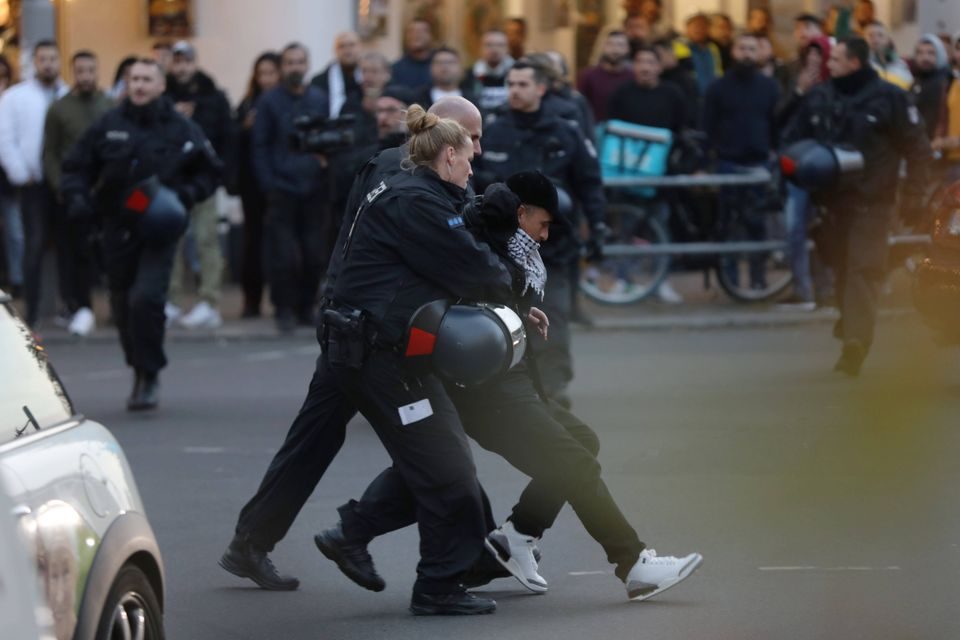
Riots erupted over the weekend in Frankfurt, leading to polarized political discourse. Hessian Interior Minister Peter Beuth defended policing strategies and attributed the unrest to individuals from ‘migrant milieus.’ Meanwhile, the German Integration Commissioner Natalie Pawlik cautioned against generalizations or ‘stigmatizing entire groups,’ warning about alienation within communities.
🔍 The Parallel Truth:
The recent riots in Frankfurt have reignited the long-standing debate on the integration of immigrant communities in Germany, exposing gaps in policy. While the Interior Minister associates the violence with certain ethnic or migrant backgrounds, other voices, including Natalie Pawlik, emphasize caution against broad labeling and stigmatization.
Historical parallels can be drawn to the unrest during the early 1990s, following Germany’s reunification, when visible socio-economic disparities and neglect of immigrant neighborhoods led to violence in certain cities. Similarly, today’s incidents highlight an underlying socio-economic divide—particularly in urban areas like Frankfurt, where unemployment and lack of youth engagement fuel disenfranchisement.
Critically, Germany’s integration mechanisms remain under scrutiny. Post-2015 migration flows placed significant strains on local governments, and while substantial efforts like language programs and job training initiatives have been implemented, incidents like this underscore systemic shortcomings. Inadequate community outreach and the marginalization of ethnic groups in national discourse risk further entrenching these divides.
Germany’s judicial system, tasked with adjudicating cases stemming from these events, also faces challenges. Swift yet fair processing is essential to maintain public confidence. However, policymakers must balance a strong legal response with measures addressing root causes—such as youth programs in immigrant-dense areas—to bridge generational divides and prevent further alienation.
Moreover, the framing of such incidents in political rhetoric deserves closer examination. Over-reliance on ethnicity-based narratives without empirical verification risks fostering xenophobia and undermines Germany’s commitment to inclusive democratic values. The discourse also manifests within coalition politics, as the SPD argues for a more cautious and community-focused approach, whereas conservative factions advocate for stricter law enforcement measures.
⚖️ Shadow Map:
- ▪ Winners: Populist movements profiting from anti-immigration rhetoric due to polarized public sentiment.
- ▪ Losers: Immigrant communities stigmatized by widespread assumptions and generalizations.
- ▪ Neutral/At-Risk: Law enforcement agencies under pressure following allegations of biases or excessive force.