


Infineon’s New Dresden Chip Factory: A $5 Billion Leap for European Tech

Infineon’s New Dresden Chip Factory: A $5 Billion Leap for European Tech
⚡ Tech Brief
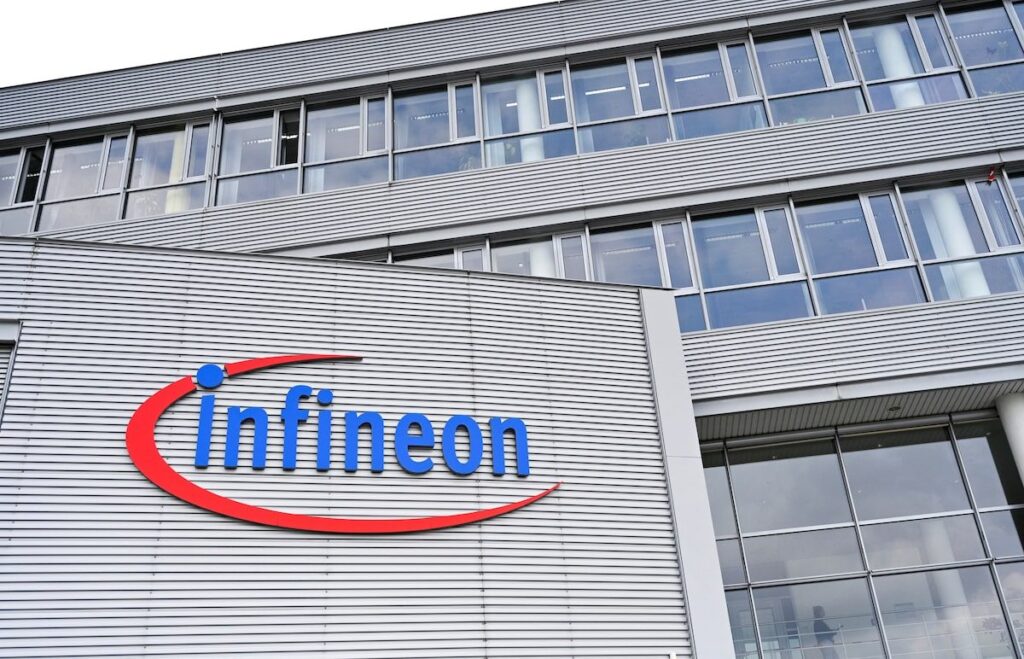
Infineon has inaugurated its new ‘Smart Power Fab’ in Dresden, Germany, three months ahead of schedule. This state-of-the-art semiconductor factory, built at a record cost of €5 billion, aims to double the company’s production capacity in the region. Supported by €920 million in EU subsidies under the European Chips Act, the facility will produce advanced chips for AI data centers, renewable energy systems, and electric vehicles, reinforcing Dresden’s status as Europe’s semiconductor hub.
🔍 Deep Dive
Infineon’s new Dresden facility is a technological marvel, designed to meet the surging global demand for semiconductors. Built in just three years, the factory features a 40-meter-tall structure with a two-story cleanroom spanning the size of three football fields. It specializes in producing power semiconductors on 300-millimeter wafers, which are critical for energy-efficient applications like AI-driven data centers, wind turbines, solar panels, and electric vehicles. The factory is also a sustainability benchmark, running entirely on green energy and using industrial water instead of drinking water for its operations.
This project is part of the European Union’s broader strategy to reduce dependency on imported chips, particularly from Asia and the United States. The European Chips Act aims to increase Europe’s share of global semiconductor production to 20% by 2030. Infineon’s Dresden factory is a cornerstone of this initiative, supported by significant subsidies from the EU, the German government, and the state of Saxony. The facility’s opening comes at a time when the semiconductor industry is experiencing unprecedented growth, driven by advancements in AI, renewable energy, and electric mobility.
🌐 Impact Analysis
The new factory is a major boost for the European semiconductor industry, which has long lagged behind global leaders like the United States and China. By increasing local production capacity, the EU is taking a significant step toward technological sovereignty, reducing its reliance on foreign imports. This move is particularly crucial as semiconductors are the backbone of modern technologies, from smartphones to electric vehicles and renewable energy systems.
Economically, the factory is a boon for Dresden, creating 1,000 new jobs and attracting global talent to the region, often referred to as ‘Silicon Saxony.’ However, the project has sparked debates about the appropriateness of government subsidies in a profitable sector. Critics argue that the industry would thrive even without such heavy public investment, while proponents point out that global competitors like the U.S. and China also rely on substantial state support for their semiconductor industries.
🚀 Future Outlook
Looking ahead, Dresden is poised to solidify its position as Europe’s semiconductor capital. With another chip factory by TSMC set to open in 2024, the region is becoming a global hub for advanced semiconductor manufacturing. For Infineon, the new facility positions the company to capitalize on the growing demand for energy-efficient chips, particularly in AI and green technologies. As the EU continues to push for greater technological independence, similar projects are likely to follow, shaping the future of Europe’s digital economy.
Tech Source: tagesschau.de