



Increase in Naturalizations in Germany – Mediendienst Integration

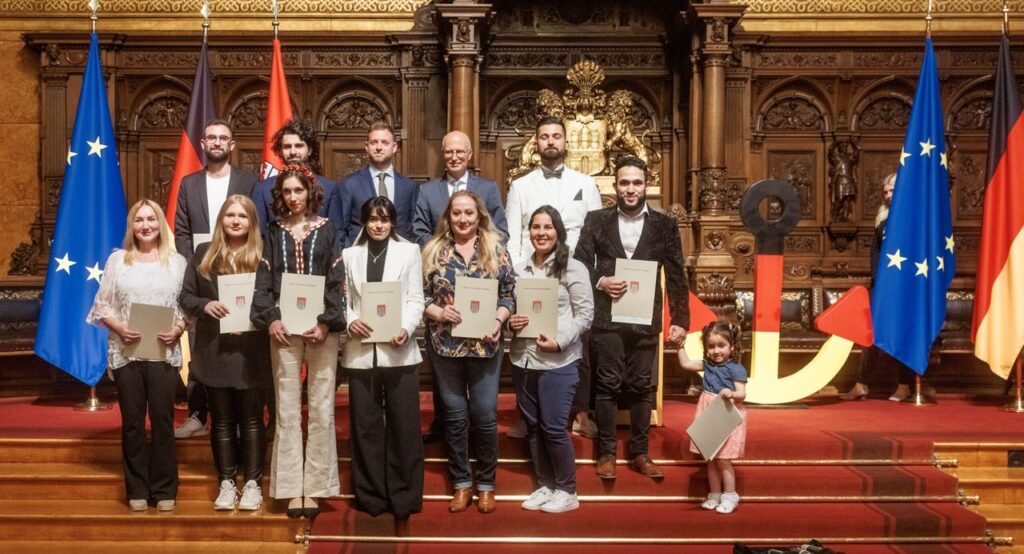
Increase in Naturalizations in Germany – Mediendienst Integration
⏱ 3 min read
Executive Summary
The Mediendienst Integration report highlights a significant rise in the number of naturalizations (Einbürgerungen) in Germany. This development reflects the country’s evolving migration policies aimed at facilitating integration and granting citizenship to eligible migrants. The report underscores the legal frameworks and socio-political factors driving this trend, emphasizing the importance of citizenship as a tool for inclusion and participation in German society.
Strategic Context
Deep Analysis
Germany’s decision to increase naturalizations aligns with its broader integration strategy and demographic needs. With an aging population and labor shortages in key sectors, granting citizenship to long-term residents helps secure a stable workforce and encourages migrants to invest in their future within Germany. This policy also reflects Germany’s commitment to upholding constitutional principles of equality and inclusion, as outlined in the Grundgesetz (Basic Law).
Additionally, the rise in naturalizations can be seen as a response to global migration trends and the need to address challenges such as social integration and political representation. By enabling more migrants to become citizens, Germany aims to strengthen democratic participation and reduce barriers that may hinder migrants’ full inclusion in society.
Impact on Migrants
For migrants in Germany, the increase in naturalizations offers significant legal and social benefits. Citizenship provides access to rights such as voting in federal elections, eligibility for certain public offices, and unrestricted travel within the European Union. It also grants protection under German law, ensuring that migrants are treated equally and fairly in all aspects of life.
Socially, naturalization fosters a sense of belonging and stability. Migrants who become citizens can more easily integrate into German society, participate in cultural and community activities, and build long-term relationships without fear of deportation or legal uncertainties. This policy change signals a welcoming approach, encouraging migrants to see Germany as their permanent home.
Outlook & Conclusion
The increase in naturalizations in Germany represents a positive step toward greater integration and inclusion of migrants. As the country continues to adapt its policies to address demographic and economic challenges, naturalization will remain a key tool for fostering social cohesion and ensuring that migrants can fully contribute to and benefit from German society. Future efforts may focus on further simplifying procedures and expanding eligibility criteria to include more diverse migrant groups.
Primary Source: Google News Migration DE