



In-depth Analysis: The Role of Germany’s Bundeswehr in Afghanistan
This study critically assesses the role of Germany's Bundeswehr in Afghanistan, focusing on its contributions to security sector reform, peace-building, and institutional development. It evaluates the effectiveness of military and civilian collaboration in fostering stability and examines the broade

In-depth Analysis: The Role of Germany’s Bundeswehr in Afghanistan
European Strategic Policy and Conflict Studies
Core Thesis & Primary Hypotheses
This study critically assesses the role of Germany’s Bundeswehr in Afghanistan, focusing on its contributions to security sector reform, peace-building, and institutional development. It evaluates the effectiveness of military and civilian collaboration in fostering stability and examines the broader implications for Germany’s foreign and defense policy within NATO-led missions.
Empirical Data & Key Analytical Metrics
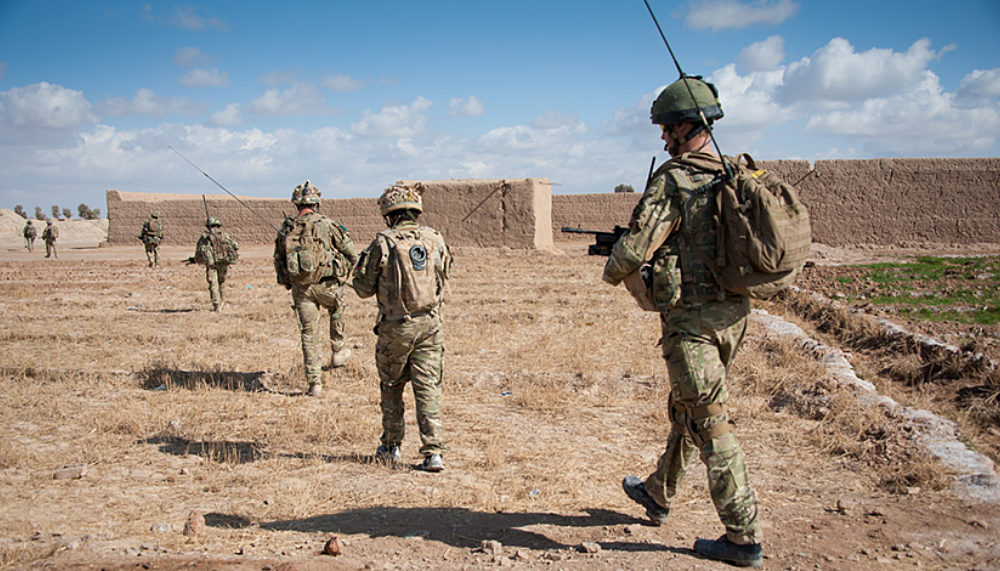
- 🔬 Germany deployed over 5,000 Bundeswehr personnel at peak levels, primarily under ISAF, contributing to training Afghan National Security Forces and supporting regional stabilization efforts.
- 🔬 The Bundeswehr’s mandate emphasized reconstruction and capacity-building, aligning military operations with civilian development projects in northern Afghanistan, particularly in Kunduz and Mazar-i-Sharif.
- 🔬 Germany’s financial contributions to Afghanistan exceeded €3 billion between 2002 and 2021, supporting governance, infrastructure, and security sector reforms alongside military engagement.
- 🔬 Challenges included limited coordination among NATO allies, cultural and linguistic barriers, and the persistent threat of insurgency, which undermined long-term institutional progress.
Comprehensive Study Text & Deep Analysis
Historical Context of Germany’s Engagement
Germany’s involvement in Afghanistan began in 2002 following the establishment of the International Security Assistance Force (ISAF). The Bundeswehr’s mission was framed within a broader NATO strategy aimed at stabilizing the country after the fall of the Taliban regime. Germany’s historical commitment to multilateralism and its constitutional limitations on military deployment shaped its approach, emphasizing reconstruction and capacity-building rather than combat operations.
Security Sector Reform and Capacity-Building
The Bundeswehr played a significant role in training Afghan National Security Forces (ANSF), including police and military personnel. Germany’s approach prioritized long-term institutional development over short-term tactical gains, reflecting its strategic focus on creating sustainable governance structures. However, the effectiveness of these efforts was often constrained by insufficient resources, high turnover among Afghan personnel, and ongoing security threats.
Civil-Military Cooperation in Reconstruction
Germany integrated military and civilian efforts through Provincial Reconstruction Teams (PRTs), particularly in northern Afghanistan. These teams worked on infrastructure projects, governance training, and community engagement, aiming to build trust and foster stability. While these initiatives achieved localized successes, they faced criticism for limited scalability and dependency on external support.
Challenges in Multilateral Coordination
Germany’s role within NATO-led operations highlighted challenges in aligning strategies among alliance members. Divergent priorities, varying resource commitments, and differing rules of engagement created operational inefficiencies. Germany’s emphasis on non-combat roles sometimes conflicted with the more aggressive approaches of other NATO partners, complicating joint efforts.
Impact on German Defense Policy
The Afghanistan mission marked a turning point in Germany’s defense policy, prompting debates on the scope and nature of Bundeswehr deployments abroad. The experience underscored the need for clearer strategic objectives, better interagency coordination, and enhanced public communication to sustain domestic support for international missions.
Lessons Learned and Future Implications
Germany’s engagement in Afghanistan offers valuable lessons for future crisis management efforts. These include the importance of integrating military and civilian strategies, addressing local cultural dynamics, and ensuring long-term commitments to institutional development. The mission also highlighted the limits of external intervention in achieving sustainable peace without robust local ownership.
Strategic Projection & Policy Outlook
Germany’s experience in Afghanistan underscores the need for a recalibrated approach to international crisis management. Future European and German policies should prioritize multilateral coordination, long-term development aid, and enhanced training programs for local security forces. Strengthening EU-NATO cooperation and refining Germany’s constitutional framework for military deployments will be essential to address emerging global security challenges effectively.