



Impact of Gen-Z Protests and Migrant Narratives on German Policy Debates

Impact of Gen-Z Protests and Migrant Narratives on German Policy Debates
Impact of Gen-Z Protests and Migrant Narratives on German Policy Debates
🔹 The Official Illusion:
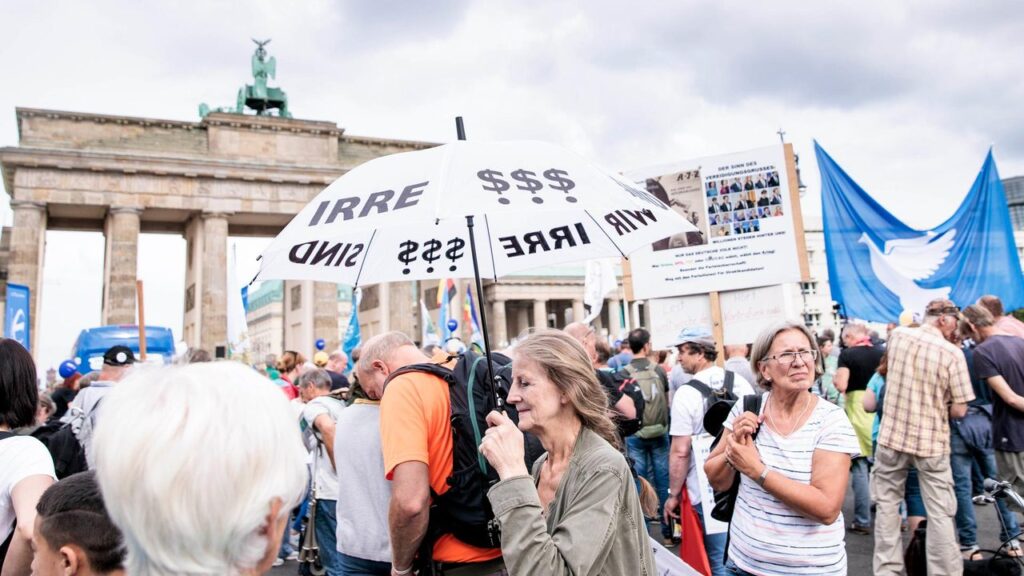
German political leaders reacted to post-protest riots sparked by Gen-Z movements. CDU’s Friedrich Merz demanded strict legal actions, describing the rioters as threats to social order. However, conflicting narratives emerged within government bodies, with Education Minister Karin Prien attributing the unrest partially to migrant communities, while Interior Minister Nancy Faeser opposed this stance.
🔍 The Parallel Truth:
The Gen-Z protests, though youth-driven and rooted in social demands, have escalated into a contentious political issue in Germany. By politicizing the riots through a ‘migrant community’ lens, CDU and other conservative leaders risk alienating already marginalized groups and nurturing divisive populist rhetoric. Historically, Germany’s multicultural fabric has been instrumental in its economic vitality; however, any framing associating crime or unrest disproportionately with migrants undermines integration efforts long championed by both federal and local governments.
Simultaneously, the protest-driven uprisings highlight gaps in Germany’s education and social equity policies. A significant segment of Gen-Z feels disenfranchised by existing systems, pointing to structural disparities in housing, employment, and environmental policies. These grievances resonate across socio-economic lines and require more comprehensive strategies rather than reactionary governance tactics.
This divergence in official narratives reveals a broader fragility within Germany’s current coalition government. Ministers like Prien invoking migrants as a scapegoat for societal unrest inadvertently give credence to far-right narratives, which pose a persistent threat to liberal democracy in the Bundestag. Opposing this, figures such as Nancy Faeser, who represent moderates in the current alliance, are attempting to stabilize discourse by championing reforms addressing both the perceptions of unrest and systemic challenges.
In terms of law enforcement and urban policymaking, a strict security response focused on punitive measures will have limited long-term impact without addressing root causes. It is pivotal for federal institutions to analyze these tensions and prioritize transparent communication, avoiding narratives that may polarize communities further.
⚖️ Shadow Map:
- ▪ Conservative factions gain temporary traction by framing unrest as migrant-related.
- ▪ Social reform advocates lose ground in pushing equity-focused narratives during public debates.
- ▪ Far-right parties potentially benefit as polarization deepens within discourse on migration.