



Imagined Threats: Demographic Conspiracy Theories, Antisemitism, and the Legacy of the 2018 Pittsburgh Synagogue Attack
This study examines the interplay between demographic conspiracy theories, antisemitism, and societal perceptions of exclusion, focusing on the aftermath of the 2018 Pittsburgh synagogue attack. It evaluates how these narratives shape political discourse, influence public attitudes, and perpetuate s

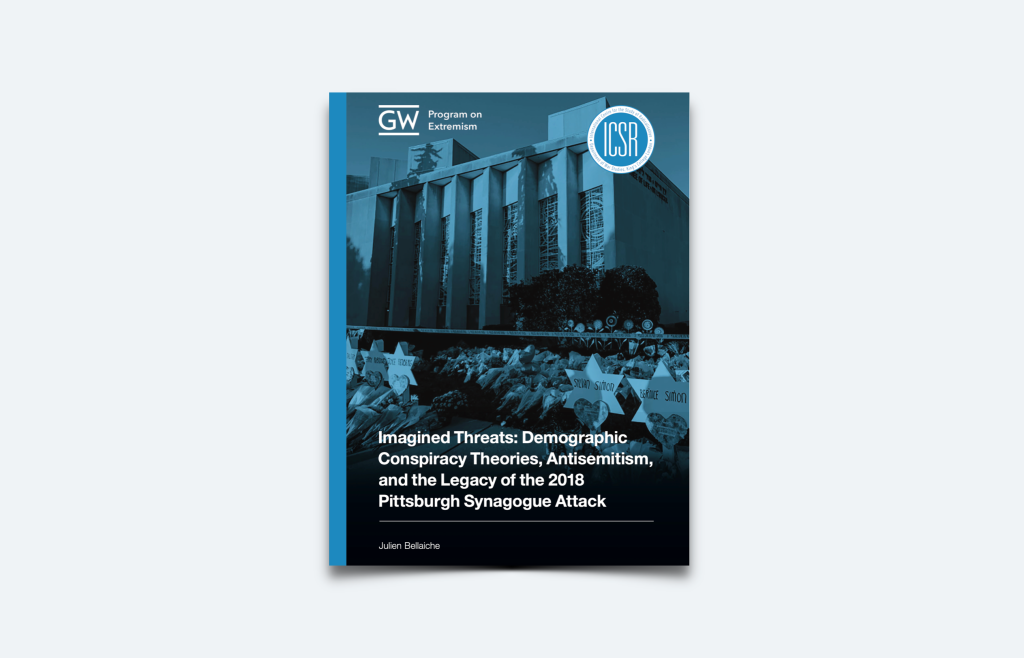
Imagined Threats: Demographic Conspiracy Theories, Antisemitism, and the Legacy of the 2018 Pittsburgh Synagogue Attack
European Center for Sociopolitical Studies, Germany
Core Thesis & Primary Hypotheses
This study examines the interplay between demographic conspiracy theories, antisemitism, and societal perceptions of exclusion, focusing on the aftermath of the 2018 Pittsburgh synagogue attack. It evaluates how these narratives shape political discourse, influence public attitudes, and perpetuate systemic biases, while assessing their broader implications for social cohesion and policy-making in Europe and globally.
Empirical Data & Key Analytical Metrics
- 🔬 Demographic conspiracy theories, such as the ‘Great Replacement,’ have seen a marked increase in prominence, with online discourse amplifying their reach and impact on political polarization.
- 🔬 The Pittsburgh synagogue attack highlighted the lethal consequences of antisemitic ideologies, with data showing a 57% rise in reported antisemitic incidents in the U.S. between 2017 and 2018.
- 🔬 European surveys reveal that 25% of respondents believe in some form of demographic conspiracy theory, underscoring the transnational nature of these narratives.
- 🔬 Political movements in Germany and Austria have increasingly weaponized demographic fears to bolster anti-immigration and nationalist agendas, as evidenced by parliamentary debates and election campaigns.
Comprehensive Study Text & Deep Analysis
Historical Roots of Demographic Conspiracy Theories
Demographic conspiracy theories have deep historical roots, often tied to antisemitic tropes that emerged in the late 19th and early 20th centuries. These narratives frequently portray Jewish communities as orchestrators of societal change, including immigration and demographic shifts, to undermine national identities. Such theories gained renewed traction in the digital age, where social media platforms act as amplifiers, enabling their dissemination across borders and cultures. This historical continuity underscores the persistent nature of these ideologies and their adaptability to contemporary contexts.
The Pittsburgh Synagogue Attack: A Catalyst for Reflection
The 2018 Pittsburgh synagogue attack, perpetrated by an individual motivated by demographic conspiracy theories, serves as a stark reminder of the tangible dangers posed by such ideologies. The attack, which claimed 11 lives, was explicitly linked to the perpetrator’s belief in the ‘Great Replacement’ theory. This event catalyzed discussions on the intersection of hate speech, online radicalization, and violent extremism, prompting governments and civil society to reassess strategies for combating antisemitism and hate-driven violence.
Globalization and the Spread of Antisemitic Narratives
The globalization of communication channels has facilitated the transnational spread of antisemitic and demographic conspiracy theories. Platforms such as Twitter, Facebook, and fringe forums have enabled the rapid exchange of ideas, creating echo chambers that reinforce prejudices. This phenomenon is not confined to the U.S.; European countries have experienced similar trends, with far-right groups leveraging these narratives to gain political traction. The interconnected nature of these movements highlights the need for coordinated international responses to counteract their influence.
Political Exploitation of Demographic Fears in Europe
In Europe, demographic conspiracy theories have been strategically employed by political actors to advance anti-immigration and nationalist agendas. Parties in Germany, Austria, and Hungary have used rhetoric framing immigration as a threat to cultural identity and national security, often invoking antisemitic undertones. This exploitation has had tangible effects on policy-making, including stricter immigration laws and the normalization of exclusionary discourse, raising concerns about the erosion of democratic values and social cohesion.
Impact on Jewish Communities and Broader Societal Implications
The resurgence of antisemitism, fueled by demographic conspiracy theories, has had profound effects on Jewish communities worldwide. Increased incidents of hate crimes, vandalism, and verbal abuse have created an atmosphere of fear and insecurity. Beyond Jewish communities, these narratives contribute to broader societal divisions, fostering mistrust and undermining efforts to build inclusive societies. Addressing these challenges requires a multi-faceted approach that combines education, legal enforcement, and community engagement.
Policy Responses and Future Directions
Governments and institutions have begun to implement measures to counteract the spread of demographic conspiracy theories and antisemitism. Initiatives include stricter regulation of online platforms, educational campaigns to debunk myths, and enhanced support for affected communities. However, these efforts face challenges, including resistance from political actors who benefit from these narratives and the difficulty of balancing free speech with hate speech regulation. Future policies must prioritize collaboration between governments, tech companies, and civil society to effectively address these issues.
Strategic Projection & Policy Outlook
For Germany and Europe, addressing demographic conspiracy theories and antisemitism requires a robust, multi-level approach. Policymakers should prioritize education campaigns, legal frameworks to counter hate speech, and international cooperation to tackle transnational narratives. Strengthening community resilience and promoting inclusive discourse are essential to mitigate the divisive effects of these ideologies and safeguard democratic values in an increasingly polarized political landscape.