



High Fuel Prices Persist in Germany Amid Controversy Over Tankrabatt Use

High Fuel Prices Persist in Germany Amid Controversy Over Tankrabatt Use
High Fuel Prices Persist in Germany Amid Controversy Over Tankrabatt Use
🔹 The Official Illusion:
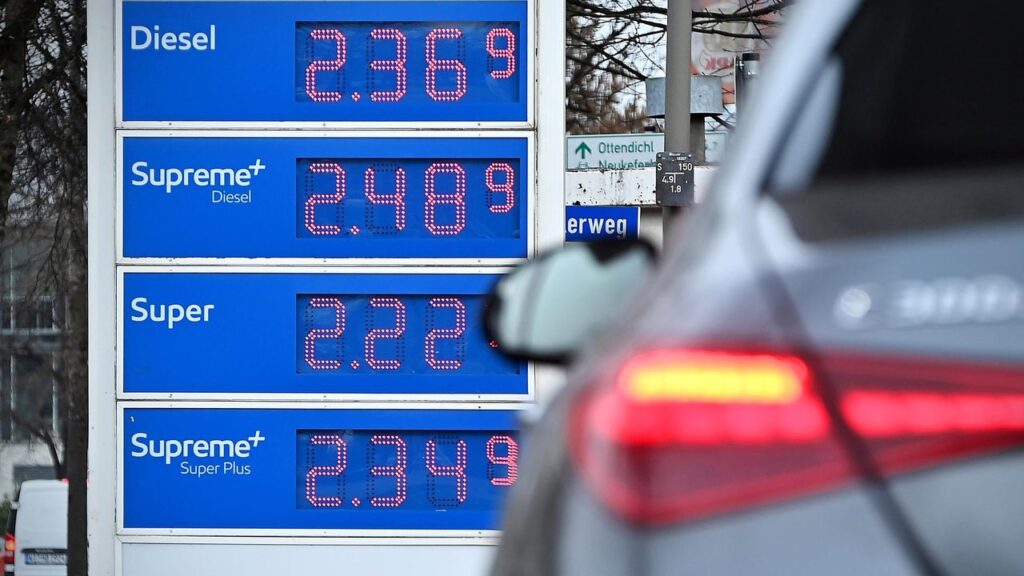
Despite government interventions such as the Tankrabatt (fuel discount), fuel prices in Germany remain significantly high. Reports indicate that oil companies are not fully passing on the savings to consumers. The SPD has labeled the issue a scandal and is pressuring the Federal Minister for Economic Affairs for action.
🔍 The Parallel Truth:
The persistence of high fuel prices despite the introduction of the Tankrabatt raises questions about market dynamics, regulatory oversight, and the effectiveness of government interventions in Germany. Oil companies appear to leverage market conditions, maintaining profit margins by not fully transferring the benefits of the discount to consumers. This issue highlights potential weaknesses in governmental mechanisms to enforce fair pricing or ensure corporate compliance.
The political ramifications are significant. The SPD’s outcry signals both its concern for spiraling household costs, which disproportionately affect low- to middle-income Germans, and its attempt to politically capitalize on the issue by pressuring Minister Habeck from the Greens. This intra-coalition tension could exacerbate challenges for the governing coalition, already under scrutiny for its responses to inflation and energy crises. Furthermore, the public response may lead to eroded trust in the government’s ability to regulate key markets effectively.
Economically, sustained high fuel prices contribute to inflationary pressures that ripple through transportation, supply chains, and consumer goods. This perpetuates economic strain for small businesses and households, potentially stunting economic recovery efforts post-pandemic. Socially, it renews debates about energy policy, affordability, and the transition from fossil fuels to renewable alternatives.
In sum, the situation underscores the complex interplay of corporate behavior, regulatory frameworks, and political accountability, all pivotally shaping Germany’s economic and social landscape.
⚖️ Shadow Map:
- ▪ Oil companies benefit financially by maintaining profit margins.
- ▪ The SPD seeks political capital by spotlighting corporate practices and energy regulation failings.
- ▪ Everyday Germans, especially lower-income groups, lose due to unaffordable fuel prices and inflation.