



Global Security Challenges: Middle East, Foreign Fighters, and Artificial Intelligence

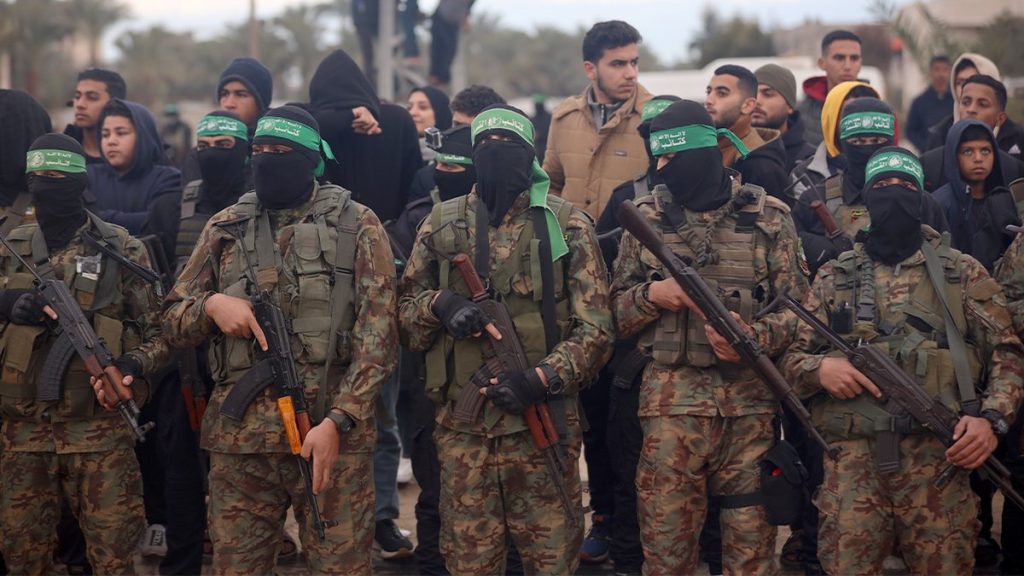
Global Security Challenges: Middle East, Foreign Fighters, and Artificial Intelligence
???? International Radar | Source: CTC Sentinel & Washington Institute
The Global Threat
Reports from the Combating Terrorism Center at West Point and the Washington Institute highlight emerging security challenges on multiple fronts. Topics range from managing foreign fighters in Syria, the persistent jihadist threat in the Sahel region, the increasing use of artificial intelligence by non-state actors, and threats in the Middle East from terror groups like ISIS. The reports also draw attention to the first mass casualty terrorist attack of 2025 by ISIS supporters, along with recent U.S. military policies in Syria. Taken individually, the escalation of jihadist and terrorist activities, cartel networks, and heightened technological efforts create significant complexities for international security.
German Implication
The challenges outlined in these reports pose a direct threat to global and European security. The enduring presence of ISIS and jihadist groups in the Middle East ensures the continued movement of terrorists and foreign fighters across various borders. Activities by groups in the Sahel could easily spill over into Europe, especially given weak border controls in some African countries. The use of artificial intelligence in terrorist operations creates a new level of risk for cyberattacks targeting critical infrastructure, including within the EU and Germany. Additionally, the growing role of U.S. policy in Syria might lead to divisions among European allies regarding approaches to address escalating threats in the region. Thus, the multidimensional nature of these security challenges necessitates a reevaluation of European security strategies and an engagement with modern technological threats.
Doctrine Directives
- âš”ï¸ European governments should enhance intelligence gathering and international cooperation to monitor and track foreign fighters moving through the Middle East or re-enlisting.
- âš”ï¸ The EU and the United Nations should consider developing strategies to combat the use of artificial intelligence by terrorist groups through international regulations and monitoring high-risk online networks.
- âš”ï¸ Germany should increase its engagement with African nations, especially the Sahel region, through technical support and military assistance to prevent the spread of extremism and organized crime to Europe.
The Blind Spot
The role of Russia and China in the current dynamics in Syria and their involvement in destabilizing Africa were insufficiently addressed. Additionally, there is a notable lack of analysis on how modern technological conflicts affect the balance of power between governments and non-state actors.
Prepared and Edited by: AboMatrix | Source: CTC Sentinel & Washington Institute