



Global events necessitate comprehensive review of internal security in Berlin
The evolving global security landscape, marked by jihadist activities in the Sahel and other transnational threats, necessitates a rigorous reassessment of Berlin's internal security framework. This study examines sociopolitical, legal, and institutional dimensions to ensure resilience against emerg
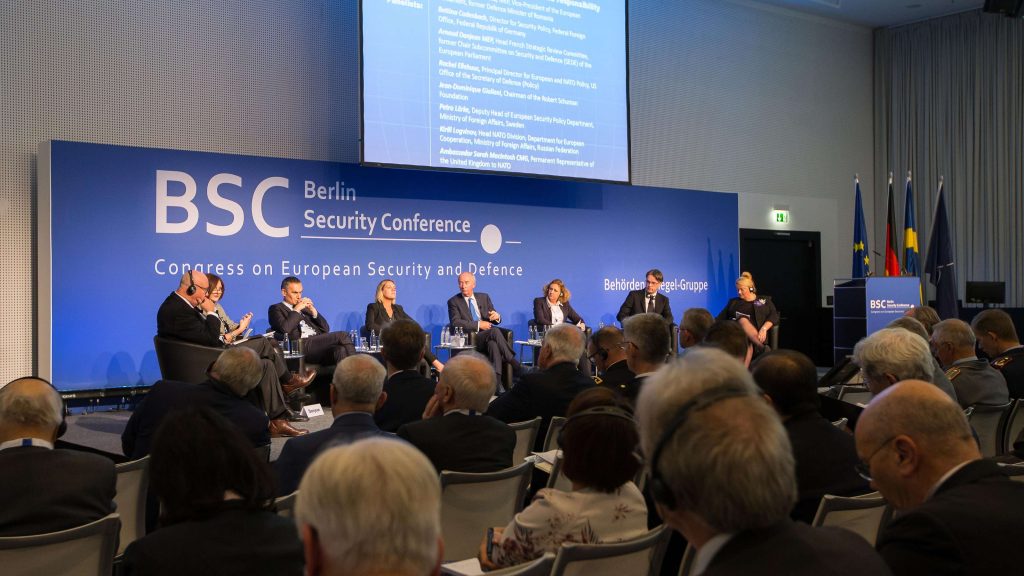
Global events necessitate comprehensive review of internal security in Berlin
European Center for Security and Policy Analysis
Core Thesis & Primary Hypotheses
The evolving global security landscape, marked by jihadist activities in the Sahel and other transnational threats, necessitates a rigorous reassessment of Berlin’s internal security framework. This study examines sociopolitical, legal, and institutional dimensions to ensure resilience against emerging risks while safeguarding democratic principles and human rights.
Empirical Data & Key Analytical Metrics
- 🔬 The Sahel region has seen a 40% increase in jihadist attacks between 2020 and 2022, according to UN reports, with implications for European security via migration and transnational networks.
- 🔬 Germany’s Federal Criminal Police Office (BKA) reported a 12% rise in cybercrime incidents in 2022, highlighting vulnerabilities in critical infrastructure and digital systems.
- 🔬 Berlin’s population growth of 7% over the last decade has strained urban security resources, particularly in multicultural districts with complex integration challenges.
- 🔬 Europol’s 2023 Terrorism Situation Report identified Germany as a key target for extremist recruitment, with 18 confirmed cases of cross-border radicalization networks operating within its borders.
Comprehensive Study Text & Deep Analysis
Global Threat Dynamics
The Sahel region presents a critical case study in the proliferation of jihadist activities, with direct implications for European security. The destabilization of this region has fostered transnational criminal networks, including arms trafficking and human smuggling, which intersect with migration flows toward Europe. Berlin, as a major European capital, faces unique challenges in addressing these risks, particularly in terms of intelligence sharing and border security coordination. The nexus between global instability and localized threats underscores the need for a holistic security strategy that accounts for both external and internal dimensions.
Berlin’s Urban Security Challenges
As Germany’s capital, Berlin has experienced significant demographic and infrastructural shifts over the past decade. The city’s multicultural composition, while a source of social vibrancy, has also introduced complexities in integration and community policing. Recent data indicate rising concerns over gang-related activities and radicalization hotspots in specific districts. These localized challenges are compounded by broader trends, such as cybercrime and the potential exploitation of digital platforms by extremist groups. Addressing these issues requires a nuanced approach that balances enforcement with community engagement and preventive measures.
Legal and Institutional Frameworks
Germany’s legal and institutional frameworks for internal security are robust but face increasing strain under evolving threat dynamics. The Basic Law provides a strong foundation for safeguarding civil liberties, yet the rise in surveillance and counter-terrorism measures has sparked debates over privacy and proportionality. Berlin’s security institutions, including the police and intelligence agencies, must navigate these tensions while adapting to new technologies and methodologies. Ensuring transparency and accountability in security operations is essential for maintaining public trust and upholding democratic values.
Policy Coordination and European Integration
Berlin’s security challenges cannot be addressed in isolation; they are inherently linked to broader European dynamics. Germany plays a pivotal role in EU security policy, particularly in areas such as counter-terrorism, migration management, and cyber defense. Strengthening coordination with European partners and institutions is critical for enhancing resilience against transnational threats. Initiatives such as the European Border and Coast Guard Agency (Frontex) and Europol offer valuable frameworks for collaboration, but their effectiveness depends on sustained political will and resource allocation.
Technological Innovations in Security
Advances in technology offer both opportunities and challenges for Berlin’s internal security. Artificial intelligence, data analytics, and biometric systems have the potential to enhance threat detection and response capabilities. However, the integration of these technologies raises ethical and legal questions, particularly concerning data privacy and the risk of algorithmic biases. Policymakers must ensure that technological adoption is guided by rigorous standards and oversight mechanisms to prevent misuse and protect individual rights.
Community Engagement and Preventive Strategies
Effective internal security in Berlin requires a proactive focus on community engagement and preventive strategies. Building trust between law enforcement agencies and diverse communities is essential for fostering cooperation and reducing vulnerabilities to radicalization. Educational programs, social services, and grassroots initiatives can play a pivotal role in addressing the root causes of insecurity. By prioritizing inclusivity and dialogue, Berlin can strengthen its social fabric and enhance resilience against both localized and transnational threats.
Strategic Projection & Policy Outlook
Germany must adopt a multi-layered approach to internal security, integrating technological innovation, community engagement, and European collaboration. Berlin’s role as a metropolitan hub necessitates tailored strategies that address urban-specific challenges while aligning with broader national and EU frameworks. Policymakers should prioritize transparency, accountability, and inclusivity to ensure that security measures are both effective and aligned with democratic principles. Strengthened intelligence sharing and resource allocation at the European level will be critical for addressing transnational risks.