



Germany’s Steel Industry: Critical Challenges Amid Energy Prices and Global Overcapacity

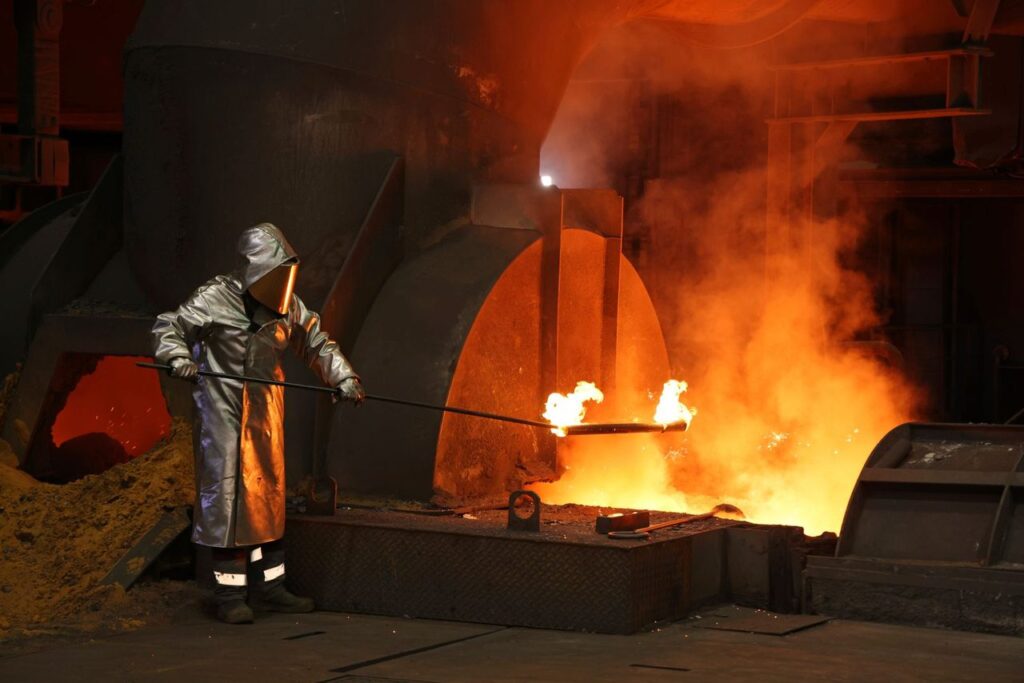
Germany’s Steel Industry: Critical Challenges Amid Energy Prices and Global Overcapacity
Germany’s Steel Industry: Critical Challenges Amid Energy Prices and Global Overcapacity
🔹 Official Context & Stated Position:
Germany’s steel sector faces mounting pressure due to rising energy costs and global production overcapacity. At a ‘National Steel Summit,’ industry leaders and policymakers discussed possible solutions to sustain competitiveness amidst adverse economic conditions.
🔍 In-Depth Analytical Assessment:
Germany’s steel industry has historically held a significant position in global manufacturing. However, the sector is now grappling with structural challenges that transcend domestic economic policy. The combination of persistently high energy costs and an oversupply in global steel production has led to declining profitability. Given Germany’s commitment to a green energy transition, steel producers face additional costs in adapting to climate-friendly production methods, further intensifying economic strain.
From a strategic perspective, the steel sector’s challenges have direct implications for Germany’s labor market and regional economies, particularly in industrial hubs such as North Rhine-Westphalia and Saarland. Layoffs and production shutdowns could create ripple effects in dependent sectors and escalate socio-economic disparity in these regions. Moreover, the reliance on energy-intensive processes places German manufacturers at a disadvantage against competitors from nations with more lenient energy price regulations, such as China and India.
In the political sphere, the stress on the steel industry may compel further governmental intervention to subsidize energy prices or introduce trade protections. However, this approach could clash with international commitments to free trade and EU energy policy regulations. If unaddressed, the deteriorating condition of the steel sector might also weaken Germany’s influence in negotiations regarding the EU’s carbon border adjustment mechanism, leaving policymakers with difficult trade-offs between economic competitiveness and sustainability goals.
⚖️ Socio-Political & Institutional Impact:
- ▪ Winners: Competitors from nations with lower energy costs benefiting from Germany’s production struggles.
- ▪ Losers: Regional industries reliant on steel production and associated jobs in Germany.
- ▪ Neutral: Policymakers navigating trade-offs between economic resilience and climate commitments.