



Germany’s Response to Heatwaves: Integrating Air Conditioning with Solar Power

Germany’s Response to Heatwaves: Integrating Air Conditioning with Solar Power
⏱ 3 min read
Executive Summary
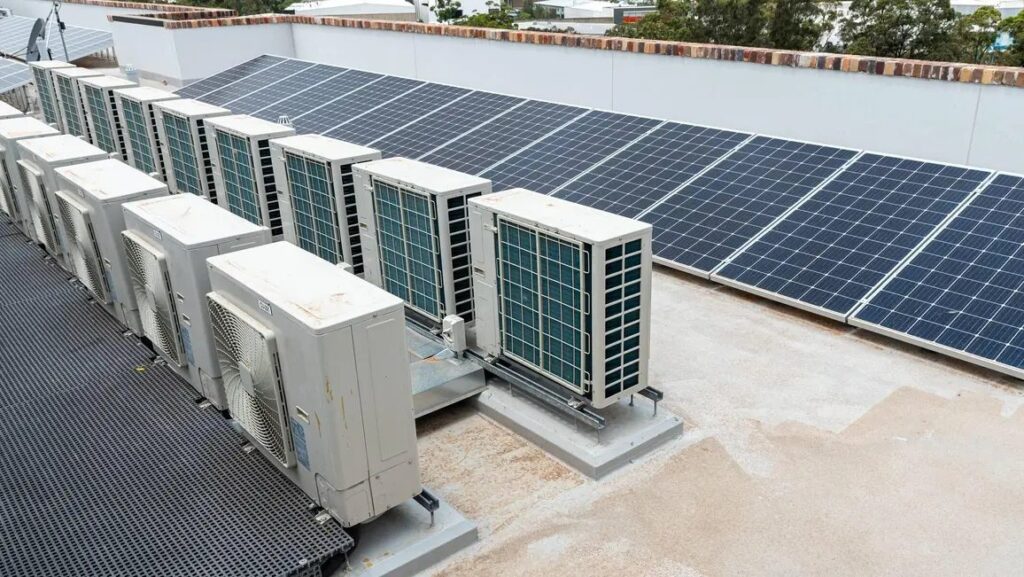
In response to record-breaking heatwaves and extreme weather, Germany is implementing measures to combat rising temperatures. A key proposal from the Green Party advocates for the installation of air conditioning systems in public facilities, such as hospitals, schools, and care homes, coupled with solar panels to reduce energy costs and environmental impact. This initiative aligns with the broader climate adaptation strategies mandated by the Federal Climate Adaptation Act, which requires federal, state, and local governments to develop plans to address climate change effects, including heatwaves.
Strategic Context
Deep Analysis
Germany’s decision to focus on air conditioning and solar power reflects the urgency of addressing climate change and its immediate effects, such as heatwaves. The record temperatures have highlighted the need for proactive measures to protect public health and infrastructure. The Green Party’s proposal emphasizes the dual benefits of cooling and renewable energy, aiming to reduce reliance on fossil fuels while ensuring that public facilities remain functional during extreme heat. This approach aligns with Germany’s broader commitment to climate protection and energy transition.
The Federal Climate Adaptation Act demonstrates Germany’s recognition of climate change as a pressing issue. By requiring governments to develop adaptation strategies, the law ensures that local authorities are equipped to handle challenges like heatwaves. However, the lack of mandatory nationwide plans means that implementation varies across regions, potentially leaving some areas less prepared than others.
Impact on Migrants
Migrants in Germany, particularly those living in urban areas, may benefit from these heat protection measures. Public cooling centers, such as libraries and museums, could provide relief during extreme heat, offering free water and shaded spaces. Additionally, improved infrastructure in schools and care facilities ensures that vulnerable groups, including migrant children and elderly individuals, are better protected from the effects of heatwaves.
However, disparities in funding and implementation across municipalities could affect the availability of these resources. Migrants living in underfunded areas may face greater challenges in accessing cooling facilities or benefiting from heat protection measures. This underscores the importance of equitable distribution of resources to ensure that all residents, regardless of their background, are safeguarded against extreme weather conditions.
Outlook & Conclusion
Germany’s approach to combating heatwaves through air conditioning and solar power represents a forward-thinking strategy that balances immediate needs with long-term sustainability. As climate change continues to intensify, the country must ensure that these measures are implemented equitably across regions, benefiting all residents, including migrants. Future efforts should focus on expanding funding, enhancing public awareness, and fostering collaboration between federal, state, and local governments to create a comprehensive and inclusive heat protection framework.
Primary Source: welt.de