



Germany Faces Challenges Amid Rising Child Benefits Paid Abroad

Germany Faces Challenges Amid Rising Child Benefits Paid Abroad
Germany Faces Challenges Amid Rising Child Benefits Paid Abroad
🔹 The Official Illusion:
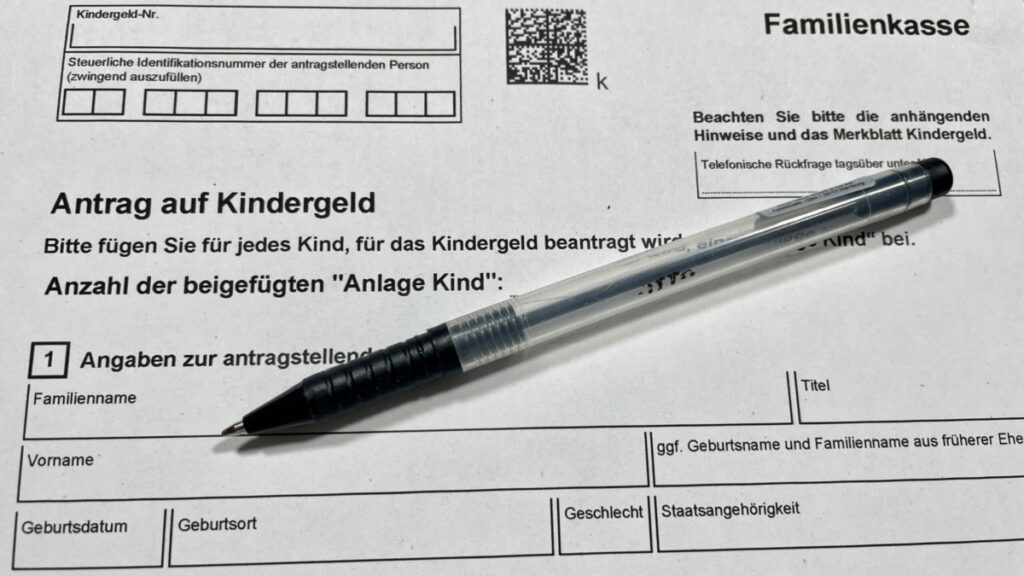
The Federal Ministry of Family Affairs reported that the number of children living abroad yet receiving German child benefits has nearly tripled since 2011. From approximately 70,000 children in 2011, the figure has risen to over 215,000 in 2023. This increase has sparked debates on social policy as critics question the growing financial burden on the state budget to support children who live outside Germany while benefiting from domestic social programs.
🔍 The Parallel Truth:
The exponential rise in child benefits paid abroad highlights a complex intersection of labor migration policies and social security. The European Union’s regulations allow workers from its member states to claim family benefits in countries of employment, even for children residing in their home countries. For Germany, this means workers from other EU nations, especially those from Eastern Europe, are entitled to such benefits.
This has sparked criticism domestically as German taxpayers support families living abroad while debates over social spending and prioritization intensify. The matter is particularly polarizing at a time when Germany is grappling with challenges such as inflation, rising energy prices, and increasing public expenditure on welfare programs. Certain factions, including some politicians aligned with conservative and nationalist platforms, see the payments as an unfair burden on German taxpayers. This rhetoric might empower far-right movements like the Alternative für Deutschland (AfD), which has long championed a restrictive stance on immigration and welfare entitlements for foreigners.
At the same time, proponents argue that such payments are necessary for the broader economic benefits Germany accrues from labor migration. Migrant workers play an indispensable role in sectors like agriculture, construction, and healthcare, and their welfare benefits are a key incentive for European labor mobility.
Socially, this issue resonates with ongoing debates about solidarity within the EU. While Germany has profited significantly from the open market, growing resentment against financial outflows has the potential to deepen skepticism towards European integration among its populace.
⚖️ Shadow Map:
- ▪ WINNER: Eastern European migrants working in Germany benefit from robust welfare entitlements that enhance their financial well-being.
- ▪ LOSER: German taxpayers facing higher public expenditures amidst increasing domestic challenges, such as inflation.
- ▪ LOSER: Political stability, as far-right rhetoric could exploit resentment over transnational welfare payments to gain support.