



German Cabinet Allocates €1.8 Billion for Strategic Natural Gas Reserve

German Cabinet Allocates €1.8 Billion for Strategic Natural Gas Reserve
German Cabinet Allocates €1.8 Billion for Strategic Natural Gas Reserve
🔹 Official Context & Stated Position:
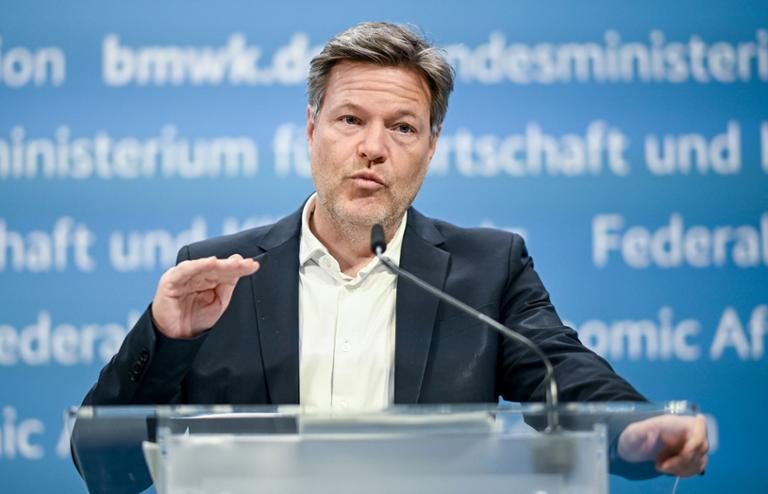
The German government has approved the establishment of a strategic natural gas reserve costing up to €1.8 billion. Amid dwindling gas storage levels, this reserve aims to bolster Germany’s energy security during extraordinary situations, with financial mechanisms already in place.
🔍 In-Depth Analytical Assessment:
The decision to create a strategic natural gas reserve aligns Germany’s energy policy with worsening global uncertainties, including supply chain vulnerabilities and geopolitical tensions exacerbated by the Russo-Ukrainian war. Historically, Germany has taken proactive steps to militarily, economically, and infrastructurally safeguard its critical resources—reminiscent of post-World War II recoveries led by rigorous industrial planning. However, the current landscape poses multifaceted challenges. Energy policies, such as the strategic reserve, must contend with Germany’s commitments to the EU climate framework and transition goals outlined in the Energiewende (energy turnaround) initiative.
Critics could argue that the allocation of €1.8 billion reflects a deepening dependence on natural gas, conflicting with renewable energy ambitions. Moreover, Germany’s vulnerable energy structure ties directly to its industrial strength and global influence. In regions such as Bavaria and North Rhine-Westphalia, characterized by intensive manufacturing, such measures will be critically scrutinized for their long-term economic impacts.
Socially, the reserve might temper public fears about winter energy shortages. Yet it does little to directly alleviate anxiety over the rising cost of living, which energy inflation heavily amplifies. An energy reserve offers stability but raises questions about access equality, with rural Germany often disproportionately burdened during energy crises.
Furthermore, Germany’s central role within the EU highlights broader repercussions. Member states might adjust their own reserves or negotiate for transborder energy pooling—heightening expectations on Berlin’s leadership within European energy diplomacy.
⚖️ Socio-Political & Institutional Impact:
- ▪ Financial Winner: German energy suppliers, securing lucrative opportunities to manage strategic reserves.
- ▪ Policy Winner: Bundestag advocating energy security—receives increased public confidence.
- ▪ Public Loser: Urban residents likely less impacted; rural areas potentially sidelined in energy prioritization.