



German Budget Disputes: Impacts and Strategic Implications for National Policy

German Budget Disputes: Impacts and Strategic Implications for National Policy
German Budget Disputes: Impacts and Strategic Implications for National Policy
🔹 Official Context & Stated Position:
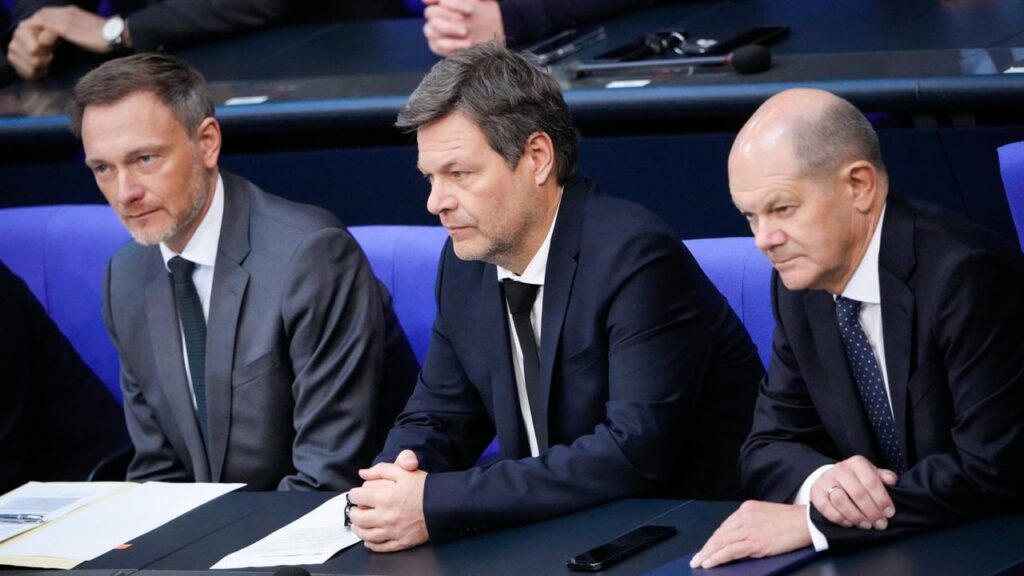
Within the Bundestag, debates over the 2027 federal budget intensified. While the proposal includes maintaining family benefits and housing assistance cuts, disagreements dominate, particularly over the failure to reduce electricity tax. Opposition voices within the CDU and criticism from the Green Party highlighted budgetary contradictions to previously set governmental priorities.
🔍 In-Depth Analytical Assessment:
Germany’s budgetary constraints are coming into sharp focus amid economic uncertainty, inflationary pressures, and geopolitical challenges. The 2027 budget plan has revealed fault lines within the political landscape, as multiple coalition partners and opposing parties voice their dissatisfaction over key omissions and missed fiscal priorities.
One of the central controversies comes from the government’s hesitation to lower the electricity tax, a move expected to relieve both households and industries burdened by rising energy costs. This stagnation risks eroding public confidence in the government’s management of cost-of-living issues, which are increasing due to inflation and supply chain disruptions. Industries reliant on high energy consumption are also expected to face intensified competitive disadvantages on the global stage.
Attempts to reconcile developmental priorities with fiscal discipline have resulted in inconsistencies. While family benefits and housing assistance cuts were prevented, abandoning measures aimed at climate and sustainable development could foreseeably hinder Germany’s climate goals. Critics from the Green Party have suggested that such omissions betray key commitments to a just transition that prioritizes sustainability.
Internally, the SPD faces pressure to demonstrate leadership within the coalition, as these impasses embolden the CDU/CSU bloc, which leverages the situation to highlight governance inefficiencies.
Externally, these budget discrepancies raise concerns within the EU, particularly regarding Germany’s ability to contribute to wider European fiscal consolidation efforts. A loss of clear budget discipline domestically can complicate Germany’s leadership role in the union, at a time when economic solidarity among member nations remains crucial.
⚖️ Socio-Political & Institutional Impact:
- ▪ Winners: Opposition CDU/CSU bloc, strengthening narratives against coalition leadership.
- ▪ Losers: German energy-intensive industries due to unaddressed electricity tax reductions.
- ▪ Losers: The ruling SPD coalition facing criticism for disunity and inefficiencies.