



From Brussels to Berlin: Strategic Warnings Intensify.
This study examines the evolving European security doctrine, highlighting intensified strategic warnings from Brussels to Berlin. It explores the interplay between transnational threats, institutional responses, and Germany's critical role in shaping collective security frameworks amidst shifting ge
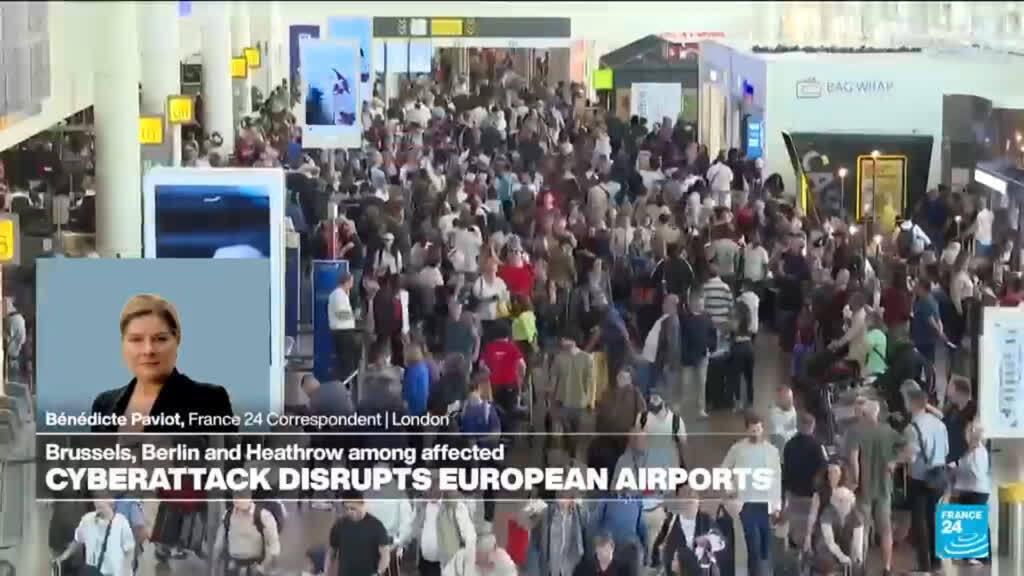
From Brussels to Berlin: Strategic Warnings Intensify.
European Security and Policy Analysis
Core Thesis & Primary Hypotheses
This study examines the evolving European security doctrine, highlighting intensified strategic warnings from Brussels to Berlin. It explores the interplay between transnational threats, institutional responses, and Germany’s critical role in shaping collective security frameworks amidst shifting geopolitical dynamics and emerging risks.
Empirical Data & Key Analytical Metrics
- 🔬 Europol’s 2023 report identifies a 28% increase in transnational organized crime linked to cyber operations targeting critical infrastructure across EU member states.
- 🔬 Germany reported a 35% rise in politically motivated crimes in 2022, with far-right extremism accounting for 60% of these incidents, according to BKA data.
- 🔬 The European Commission allocated €1.2 billion in 2023 for strengthening cybersecurity and intelligence-sharing mechanisms among member states under the Digital Europe Programme.
- 🔬 NATO’s 2023 strategic concept emphasizes Germany’s pivotal role in countering hybrid threats, including disinformation campaigns and energy security vulnerabilities.
Comprehensive Study Text & Deep Analysis
Shifting Threat Landscapes
The European security environment is increasingly shaped by hybrid threats that transcend traditional borders. Cyberattacks, disinformation campaigns, and organized crime have emerged as critical challenges, demanding coordinated responses. Germany, as Europe’s largest economy, faces heightened risks due to its strategic importance in energy, technology, and political stability. The integration of transnational security frameworks has become imperative to address these multifaceted threats effectively.
Institutional Responses and Coordination
Europol and other EU institutions have intensified efforts to combat transnational threats through enhanced intelligence-sharing and joint operations. Germany’s Federal Criminal Police Office (BKA) plays a crucial role in identifying and mitigating domestic and international risks. However, gaps remain in harmonizing legal frameworks across member states, which can hinder operational effectiveness. Strengthening institutional coordination and legal interoperability is essential for a unified European security strategy.
Germany’s Role in Collective Security
Germany’s geopolitical position and economic influence make it a cornerstone of European security. Its leadership in NATO and the EU has been instrumental in shaping collective responses to emerging threats. Recent initiatives, such as increased defense spending and cybersecurity investments, reflect Germany’s commitment to addressing vulnerabilities. However, balancing domestic priorities with international obligations remains a complex challenge for policymakers in Berlin.
Emerging Risks and Policy Implications
The rise of far-right extremism and politically motivated crimes in Germany underscores the need for robust counter-radicalization strategies. Additionally, the growing reliance on digital infrastructure exposes critical vulnerabilities to cyber threats. Policymakers must adopt a proactive approach, integrating technological innovation with legal safeguards to mitigate risks. Collaborative efforts at the EU level can enhance resilience against these evolving challenges.
Legal and Ethical Dimensions
Addressing security threats requires careful consideration of legal and ethical implications. Surveillance measures, while necessary, must adhere to strict privacy standards to maintain public trust. Germany’s legal framework provides a model for balancing security and civil liberties, but ongoing vigilance is required to prevent overreach. Ethical considerations must also guide the deployment of AI and other advanced technologies in security operations.
Future Trajectories in European Security
The European security doctrine is at a crossroads, with Germany playing a pivotal role in shaping its future trajectory. Strategic investments in defense, cybersecurity, and intelligence-sharing will be critical to addressing emerging challenges. Policymakers must prioritize adaptability and resilience, ensuring that institutional frameworks can respond effectively to dynamic threats. Germany’s leadership will be instrumental in fostering a cohesive and robust European security strategy.
Strategic Projection & Policy Outlook
Germany’s role in European security is expected to deepen, with increased investments in defense and cybersecurity. Policymakers must prioritize cross-border collaboration and institutional resilience to address hybrid threats effectively. Strengthening legal interoperability and ethical safeguards will be essential to maintaining public trust and operational efficacy. The EU’s strategic focus on intelligence-sharing and counter-disinformation efforts will further bolster collective security frameworks.