



Federal Budget 2027 Faces Broad Criticism Amid Cuts and Sustainability Debates

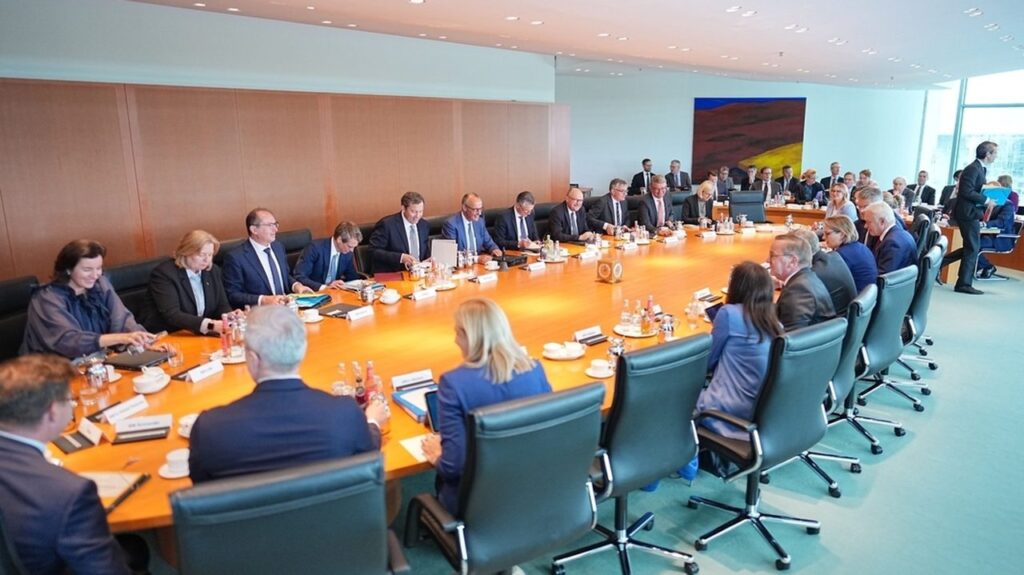
Federal Budget 2027 Faces Broad Criticism Amid Cuts and Sustainability Debates
Federal Budget 2027 Faces Broad Criticism Amid Cuts and Sustainability Debates
🔹 Official Context & Stated Position:
The German 2027 federal budget has triggered debates within the Bundestag. Critics from the AfD to the Greens have targeted aspects ranging from spending cuts to sustainability issues. Federal Chancellor Friedrich Merz has defended the budget, while key opposition figures, including AfD Chairman Tino Chrupalla, have voiced concerns about alleged excessive expenditures.
🔍 In-Depth Analytical Assessment:
The German federal budget for 2027 emerges as a contentious topic, reflecting critical divides within the Bundestag and raising questions about fiscal sustainability, political priorities, and economic strategy amidst mounting economic and geopolitical pressures. Chancellor Friedrich Merz’s defense of significant spending allocations toward Ukraine assistance underscores Germany’s commitment to international security, but it has also prompted questions about balancing domestic stakeholders’ needs. While the AfD has criticized the government for alleged overspending, particularly concerning foreign commitments, the Greens have labeled the budget ‘unrealistic,’ underlining inconsistencies in addressing environmental and social initiatives.
This discourse highlights deeper systemic tensions within German politics, particularly surrounding priorities such as economic equity, migration, defense outlays, and energy transformation measures. Additionally, unresolved debates concerning debt sustainability and long-term generational equity amplify uncertainty within an already polarized political landscape.
Observers note rising discontent among taxpayers and citizens, particularly given increasing inflationary pressures, energy costs, and debates around cold progression tax effects that disproportionately impact middle-income households. Furthermore, the challenges in achieving a balanced economic strategy without undermining Germany’s global leadership role, particularly in conflict resolution and climate commitments, remain pronounced.
The 2027 budget deliberations are emerging not merely as a technical financial exercise but as a litmus test for Germany’s broader vision of its national and international identity, balance of solidarity versus sovereignty priorities, and ecological versus economic commitments.
⚖️ Socio-Political & Institutional Impact:
- ▪ Winners: Advocates of defense spending and external security – The budget reinforces Germany’s NATO commitments.
- ▪ Winners: Critics of unsustainable borrowing – Budgetary constraints present opportunities for fiscal conservatives.
- ▪ Losers: Environmental and social program advocates – Reduced funding dampens sustainability and equity progress.