


Europe’s Digital Sovereignty: A New Era of Tech Partnerships

Europe’s Digital Sovereignty: A New Era of Tech Partnerships
⚡ Tech Brief
The European Union is ramping up efforts to secure its digital sovereignty by reducing reliance on foreign tech giants and fostering international partnerships. With a focus on competitive autonomy, the EU aims to integrate national initiatives like Germany’s ‘Deutschland-Stack’ into a broader ‘Eurostack,’ while leveraging its strengths in areas like AI, quantum computing, and secure digital infrastructure.
🔍 Deep Dive
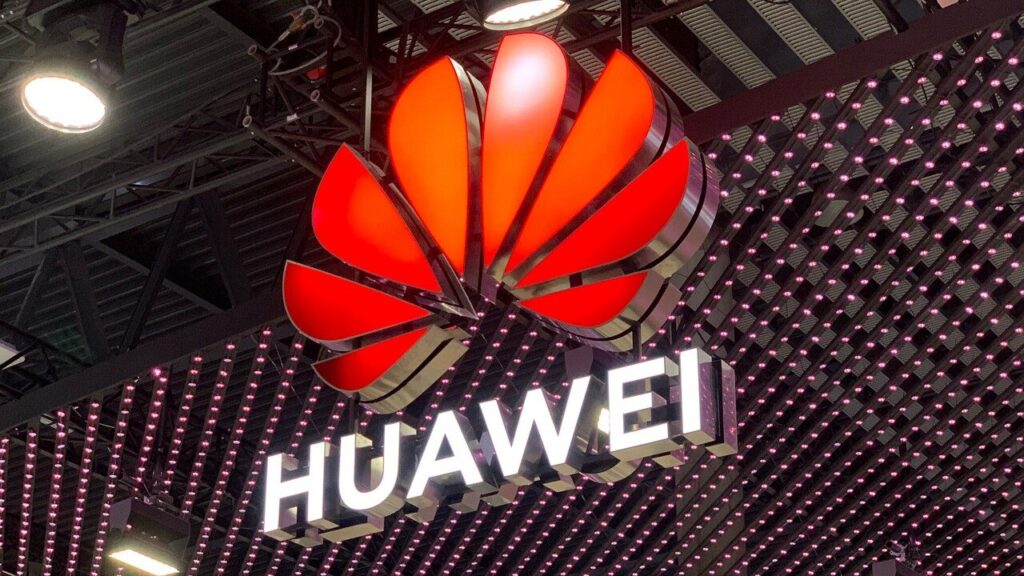
The EU’s push for digital sovereignty stems from growing concerns over dependency on U.S. and Chinese tech companies, which dominate critical sectors like cloud computing, 5G infrastructure, and semiconductor production. Germany, for instance, has long relied on Huawei components for its 5G networks, but these are now being phased out due to security risks. Similarly, European cloud markets remain heavily influenced by Amazon, Google, and Microsoft, highlighting the need for homegrown solutions. The EU envisions a unified digital infrastructure, termed the ‘Eurostack,’ that integrates national platforms like Germany’s ‘Deutschland-Stack’ to offer seamless, secure, and competitive alternatives. This ambition extends to the ‘EU Tech Business Offer,’ a strategic initiative to collaborate with global partners, particularly in the Global South, to develop open, sustainable tech ecosystems. The EU also plans to address critical gaps in its tech stack by investing in areas like semiconductor production, deep-sea cables, and satellite systems, while capitalizing on existing strengths in AI, quantum computing, and industrial digitalization.
🌐 Impact Analysis
The EU’s digital sovereignty strategy has profound implications for society and the economy. For media and communication, it could mean greater control over data privacy and security, reducing risks associated with foreign surveillance or monopolistic practices. For businesses, particularly SMEs, the shift to European-built platforms could lower dependency on hyperscalers and create more localized opportunities for innovation. On the job market, the focus on emerging technologies like AI and quantum computing may spur demand for highly skilled workers, while the emphasis on international partnerships could open doors for cross-border collaboration and knowledge exchange. However, the transition is not without challenges, as Europe must overcome its lag in semiconductor production and compete with the established dominance of U.S. and Chinese tech giants.
🚀 Future Outlook
Looking ahead, the EU’s digital sovereignty efforts are poised to reshape the global tech landscape. The planned 2026 legislation on technological independence will likely set the stage for stronger regulatory frameworks and investment incentives. Meanwhile, initiatives like the Global Gateway and the ‘EU Tech Business Offer’ will continue to foster partnerships that align with Europe’s values of security, competitiveness, and human-centric digital transformation. While hurdles remain, such as resource constraints and geopolitical tensions, the EU’s strategy signals a determined move toward a more autonomous and resilient digital future.
Tech Source: boell.de