



Equal Citizenship and Constitutional Rule of Law: Towards a Cohesive Society

Equal Citizenship and Constitutional Rule of Law: Towards a Cohesive Society
First: Positive Citizenship as a Safeguard for Individuality
In some societal circles, there are concerns that integration within the framework of equal citizenship might lead to the erosion of cultural or religious identities. However, these fears are often based on misconceptions. Positive citizenship does not mean abandoning individual or collective identities but provides a framework that protects these identities through the rule of law and equality in rights and duties.
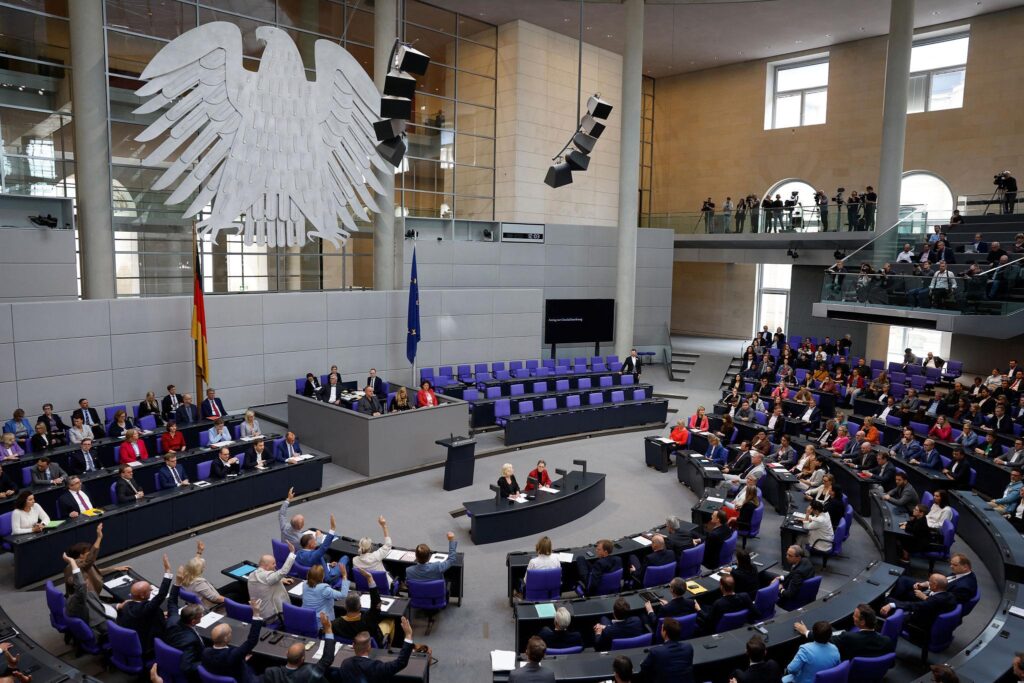
For instance, democratic legal systems, such as in Germany, offer broad spaces for expressing cultural and religious particularities, as long as they do not conflict with general laws or the rights of others. This balance between individual and collective rights strengthens the sense of belonging without compromising the principle of equality.
Second: Debunking Isolation and Extremism
One of the challenges facing multicultural societies is the spread of isolationist and extremist ideologies, whether religious or ideological. These phenomena often stem from feelings of mistrust or exclusion. However, the rule of law and constitutional frameworks provide effective tools to counter these tendencies.
For example, civil society can play a pivotal role in fostering dialogue between different cultures, contributing to dismantling stereotypes and enhancing mutual understanding. Education also plays a critical role in embedding the values of equal citizenship by developing curricula that focus on human rights and cultural diversity.
Third: The Role of Civil Society in Integration
Equal citizenship cannot be achieved without the active participation of civil society. Associations, non-governmental organizations, educational institutions, and media all play a central role in promoting the values of coexistence.
In this context, successful initiatives in countries like Canada and Germany can be highlighted, where programs have been developed to integrate migrants and enhance their participation in public life. These programs are not limited to providing material or logistical support but also focus on strengthening their understanding of their rights and duties as citizens.
Fourth: Rule of Law as a Unifying Framework
The rule of law is not merely a tool for regulating relationships between individuals and the state; it is the fundamental guarantee for achieving justice and equality. Within a constitutional state, everyone enjoys equal rights regardless of their cultural or social background.
For instance, the German Basic Law (Grundgesetz) guarantees fundamental rights such as freedom of expression and equality before the law. These rights are not merely legal texts but practical principles applied in daily life, enhancing individuals’ sense of belonging.
In conclusion, equal citizenship is not a concession of individuality but its safeguard. By promoting societal dialogue and embedding the rule of law, a cohesive society can be built that respects diversity and strengthens values such as justice and equality. This approach is not only a moral imperative but also a prerequisite for stability and sustainable development.