



Defending Europe Against Drones: Strategic Policy Approach to Safeguarding Critical Infrastructure
This study examines the growing threats posed by civilian and military drones to Europe's critical infrastructure, emphasizing the need for a unified EU-wide policy framework. By analyzing recent incidents and hybrid warfare trends, it advocates for coordinated technological, legal, and strategic me

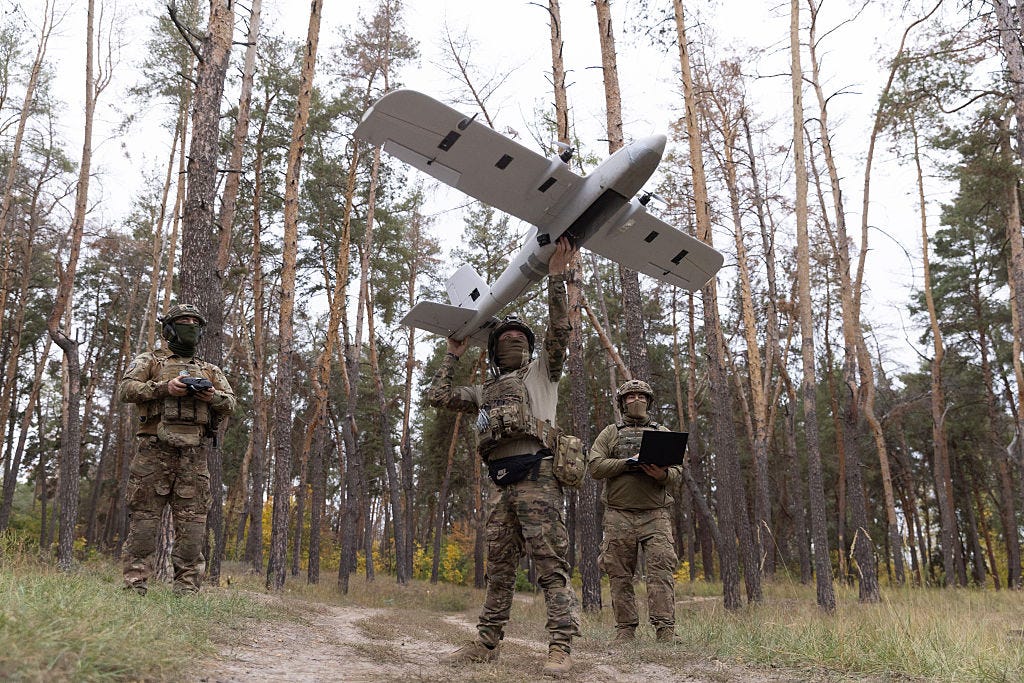
Defending Europe Against Drones: Strategic Policy Approach to Safeguarding Critical Infrastructure
European Security and Infrastructure Protection
Core Thesis & Primary Hypotheses
This study examines the growing threats posed by civilian and military drones to Europe’s critical infrastructure, emphasizing the need for a unified EU-wide policy framework. By analyzing recent incidents and hybrid warfare trends, it advocates for coordinated technological, legal, and strategic measures to mitigate risks and protect vital assets across member states.
Empirical Data & Key Analytical Metrics
- 🔬 In 2026, over 60% of EU member states reported drone-related disruptions to airports, nuclear facilities, and logistic hubs, highlighting vulnerabilities in critical infrastructure.
- 🔬 Military drones originating from Russia and Belarus have crossed EU and NATO borders over 150 times since 2025, escalating geopolitical tensions and testing defense mechanisms.
- 🔬 The Leipzig airport incident involved a drone carrying explosive material, marking a significant shift toward weaponized drone use in hybrid warfare campaigns targeting civilian infrastructure.
- 🔬 Current EU drone regulations vary significantly across member states, with gaps in enforcement, cross-border coordination, and technological counter-drone capabilities.
Comprehensive Study Text & Deep Analysis
The Dual Threat of Civilian and Military Drones
The proliferation of drones across Europe presents a dual challenge: civilian drones disrupting critical infrastructure and military drones testing territorial defenses. Civilian drones, often commercially available, have been increasingly used in unauthorized airspace incursions, posing risks to airports, nuclear facilities, and logistic hubs. On the other hand, military drones, particularly those originating from Russia and Belarus, have been deployed to probe NATO defenses and engage in hybrid warfare. These threats require distinct yet complementary policy responses to ensure comprehensive security coverage.
Hybrid Warfare and Infrastructure Vulnerabilities
Hybrid warfare tactics have evolved to exploit technological advancements, including drones, to destabilize critical infrastructure. The August 2026 Leipzig airport incident exemplifies this trend, where a drone carrying explosives was intercepted before causing harm. Such incidents underscore the vulnerabilities of vital infrastructure to both state and non-state actors. The strategic targeting of airports, power plants, and logistic hubs reflects a calculated effort to disrupt economic stability and public safety, necessitating robust countermeasures at national and EU levels.
Regulatory Fragmentation Across EU Member States
Despite the growing drone threat, EU member states lack a cohesive regulatory framework to address these challenges. While some nations have implemented stringent drone usage laws, others lag in enforcement and technological preparedness. This regulatory fragmentation hampers cross-border coordination and leaves critical infrastructure exposed to exploitation. Harmonizing drone regulations across the EU is essential to ensure consistent enforcement and effective counter-drone strategies, particularly in regions with heightened vulnerability.
Technological Innovations in Counter-Drone Systems
Advances in counter-drone technologies offer promising solutions to mitigate risks. Systems such as radar detection, signal jamming, and drone interception mechanisms have been deployed in select EU nations. However, their effectiveness is limited by uneven adoption and integration across member states. Investing in research and development of advanced counter-drone technologies, alongside standardized deployment protocols, can enhance Europe’s ability to neutralize drone threats efficiently and uniformly.
Strategic Coordination Within NATO and EU Frameworks
The transnational nature of drone threats necessitates strategic coordination within NATO and EU security frameworks. NATO’s expertise in military defense and the EU’s focus on civilian infrastructure protection must converge to address the dual drone threat comprehensively. Joint exercises, intelligence sharing, and integrated response mechanisms can strengthen Europe’s resilience against drone incursions, ensuring both territorial and infrastructural security across member states.
Legal and Ethical Considerations in Drone Defense Policies
Developing counter-drone policies requires careful consideration of legal and ethical implications. Measures such as drone interception and signal jamming must align with constitutional safeguards, privacy rights, and international law. Balancing security needs with civil liberties is critical to maintaining public trust and adherence to democratic principles. Transparent policymaking and stakeholder engagement can help navigate these complexities while ensuring robust defense mechanisms.
Strategic Projection & Policy Outlook
Germany and the EU must prioritize the establishment of a unified drone defense policy, integrating technological innovation, regulatory harmonization, and strategic coordination. Investments in advanced counter-drone systems, coupled with cross-border intelligence sharing, can enhance Europe’s resilience against both civilian and military drone threats. Policymakers should also engage in public consultations to address legal and ethical concerns, ensuring balanced and transparent implementation of security measures.