



Debate Over EU’s Decision on Ukrainian Conscription Refugees Sparks Controversy in Germany

Debate Over EU’s Decision on Ukrainian Conscription Refugees Sparks Controversy in Germany
⏱ 4 min read
Executive Summary
The European Union’s decision to limit automatic protection for Ukrainian male refugees of conscription age has sparked criticism in Germany. Anton Hofreiter, a prominent politician from the Green Party, has openly opposed the EU Commission’s move, emphasizing the right to conscientious objection. The decision, which affects Ukrainian men aged 23 to 60, has raised questions about Germany’s stance on migration, asylum policies, and its broader socio-political implications.
Strategic Context
The EU Commission has proposed extending temporary protection for Ukrainian refugees until March 4, 2028. However, the new policy excludes Ukrainian men aged 23 to 60 who are subject to conscription under Ukrainian law. These individuals, if they manage to leave Ukraine and enter the EU, will now be required to apply for asylum—a process with slim chances of approval. This marks a departure from the blanket protection previously granted to all Ukrainian refugees fleeing the Russian invasion.
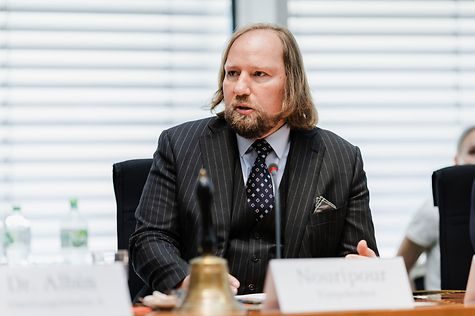
Anton Hofreiter, chair of the European Affairs Committee in the German Bundestag and a member of the Green Party, has criticized this decision. He argues that forcing individuals to take up arms against their conscience violates fundamental rights. While acknowledging Ukraine’s need for defense against Russian aggression, Hofreiter insists on upholding the right to conscientious objection. His stance reflects a broader debate within Germany about balancing support for Ukraine with adherence to humanitarian principles.
Deep Analysis
The EU’s decision has sparked a polarized response in Germany. On one hand, conservative and right-leaning factions may view the policy as a necessary measure to prevent abuse of asylum systems and to ensure that Ukraine retains its defense capabilities. On the other hand, progressive and left-leaning politicians, like Hofreiter, argue that the policy undermines humanitarian values and the right to conscientious objection, which are deeply embedded in European human rights frameworks.
Public opinion in Germany is similarly divided. While many Germans continue to support Ukraine in its fight against Russian aggression, there is growing concern about the long-term implications of hosting large numbers of refugees. The new EU policy could exacerbate these tensions, as it introduces a more selective approach to granting protection, potentially creating a perception of unequal treatment among refugees.
The debate also highlights the challenges of aligning national and EU-level policies on migration and asylum. Germany, as a leading EU member state, plays a critical role in shaping these policies. The criticism from prominent German politicians like Hofreiter could influence the EU’s final decision, especially if other member states express similar concerns.
Impact on Migrants
For Ukrainian men of conscription age, the new EU policy represents a significant hurdle. Many of these individuals may have legitimate reasons for fleeing, including moral or religious objections to military service. By requiring them to apply for asylum—a process with low success rates—the policy effectively limits their chances of finding safety in the EU. This could force some to remain in Ukraine against their will, potentially putting their lives at risk.
In Germany, the policy could lead to increased scrutiny of Ukrainian refugees, particularly men, and strain the resources of the asylum system. It may also create a sense of uncertainty and fear among the Ukrainian migrant community, as they navigate a more restrictive and complex legal landscape. This could hinder their integration and exacerbate existing challenges related to housing, employment, and social acceptance.
Outlook & Conclusion
The EU’s decision to limit automatic protection for Ukrainian conscription-age men has ignited a contentious debate in Germany, reflecting broader tensions between humanitarian principles and geopolitical realities. As Germany navigates these challenges, it will need to balance its commitment to supporting Ukraine with its obligations to uphold human rights and manage domestic concerns about migration. The outcome of this debate could have lasting implications for Germany’s role in shaping EU migration policy and its approach to future crises.
Primary Source: welt.de