



Bundeswehr Bans Chinese Drones Amid Rising Espionage Concerns

Bundeswehr Bans Chinese Drones Amid Rising Espionage Concerns
Bundeswehr Bans Chinese Drones Amid Rising Espionage Concerns
🔹 Official Context & Stated Position:
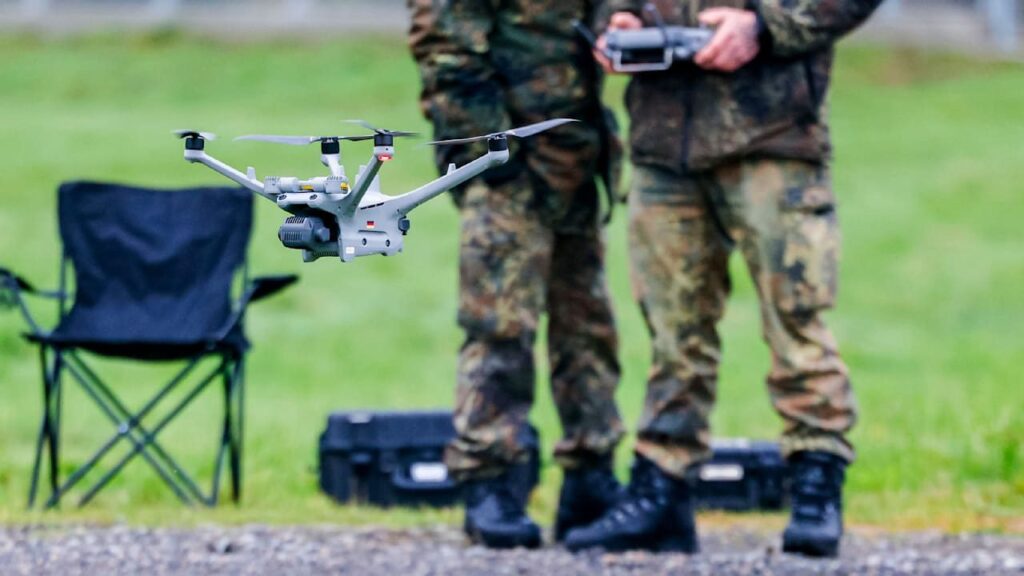
The German defense ministry has officially declared a ban on Chinese-made drones and automotive vehicles within Bundeswehr facilities. This decision, justified by strategic security concerns, aligns with a broader effort to shield sensitive areas of national defense infrastructure from potential foreign surveillance risks. Officials stated that China’s technology poses a substantial espionage threat to national security.
🔍 In-Depth Analytical Assessment:
The defense ministry’s decision to remove Chinese drones and vehicles from Bundeswehr premises is historically situated within decades of heightened awareness about foreign-influenced technology espionage. Similar concerns were raised in Germany during Cold War-era discussions surrounding Soviet infiltration risks. In the current climate, two factors amplify this decision’s significance: the technological sophistication of drones and the evolving geopolitical challenges posed by China’s global security engagements.
German lawmakers have been increasingly apprehensive about the implications of digital surveillance. The banning of Chinese drones specifically reflects the Bundeswehr’s proactiveness in preventing systems capable of capturing highly-sensitive military operational data. The move also serves as a formal acknowledgment of the interconnected risks between private sector products (automotive technologies) and state-level espionage strategies. While such decisive moves strengthen Germany’s defense mechanisms, they inadvertently strain Berlin-Beijing relations, particularly given Germany’s reliance on China as a key trading partner.
Moreover, this aligns with NATO’s collective calls for technological intervention and security harmonization among member states. Germany’s ban signals its adherence to coalition principles, affirming trust in Germany’s leadership within the alliance. Domestically, however, observers may query whether Bundeswehr priorities sufficiently mitigate cybersecurity gaps, which extend beyond the physical presence of foreign hardware into software vulnerabilities. Political analysts point toward Germany’s increasing investment in cyber-warfare, with €6.6 billion recently committed to national security industries to counter similar issues.
Lastly, the cultural undertone of rigorous attention to foreign influence can stimulate public debates. The decision fortifies arguments surrounding Germany’s tightened security independence, echoing historical debates regarding balancing openness with control in previous eras such as globalization post-2000s, contrasting reliance during industrialization. Notably absent, however, is detailed legislation on tech manufacturers who operate globally within German borders.
⚖️ Socio-Political & Institutional Impact:
- ▪ Winners: German cybersecurity firms, NATO allies emphasizing tech-security protocols, proponents of state-controlled security policy.
- ▪ Losers: China’s tech-exporting industries within Germany, critical negotiators advocating trade flexibility with Beijing.
- ▪ Uncertain: Advocates of free-market principles amidst state interventions into private sector technology.