



Berlin Politics under Pressure: Coalition Talks and Rising Opposition.

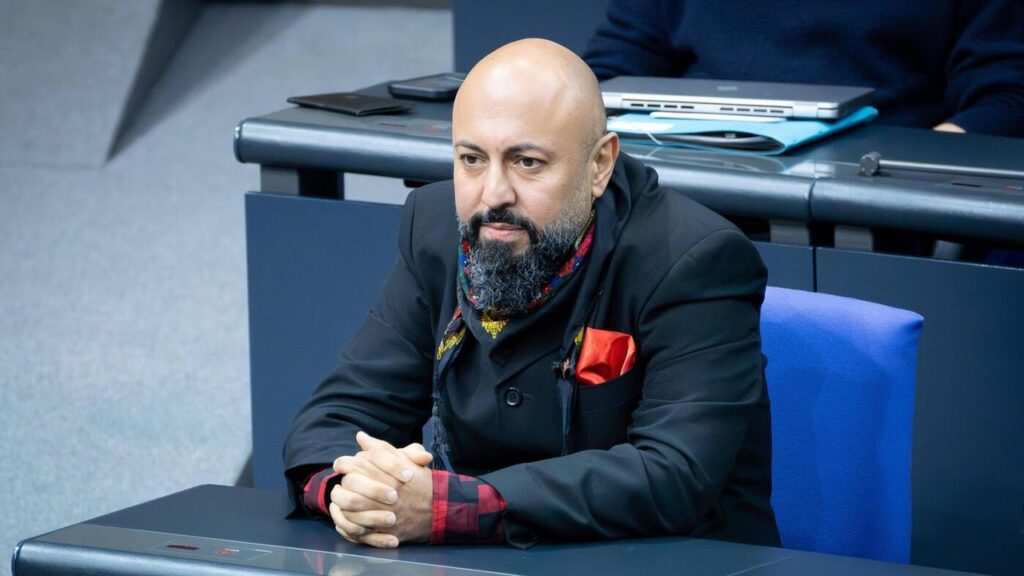
Berlin Politics under Pressure: Coalition Talks and Rising Opposition.
Berlin Politics under Pressure: Coalition Talks and Rising Opposition.
🔹 The Official Illusion:
Amid ongoing coalition negotiations in Berlin, involving the Left, Greens, and SPD, the national-level political fraternity is growing uneasy. Conservative voices, particularly from the CDU and their affiliates, have criticized potential left-leaning trajectories, citing risks to stability. Meanwhile, reports of internal party tensions and external social pressures indicate a rapid polarization of political discourse in Berlin and beyond.
🔍 The Parallel Truth:
Berlin, as the nation’s political and cultural capital, occupies a unique position where coalition dynamics have repercussions far beyond local governance. The potential formation of a Left, Green, and SPD coalition has raised alarms among Germany’s conservatives, primarily the CDU, with Chancellor Olaf Scholz signaling the risks of such a shift. This reflects broader apprehensions within Germany’s political establishment about a potential resurgence of radical rhetoric and policies. The CDU perceives this as a threat to their foundational voter base and seeks to intensify criticism of leftist policies in an effort to consolidate their position nationally.
Economically, such left-leaning governance could imply a stronger focus on housing reforms, environmental spending, and social welfare, all of which are critical sectors in Berlin. While likely to appeal to disenfranchised voters facing social inequalities, these policies also face resistance from more conservative groups who prioritize fiscal conservatism. This perception of economic redistribution could further polarize German society, exacerbating divides that partially fuel the rise of far-right factions like the AfD.
Socially, Berlin’s role as a diverse epicenter of German life increasingly mirrors the ideological conflicts at the nation’s core. Strikingly, migration, asylum policies, and city-level inclusivity debates, such as extending voting rights to long-term non-EU residents, serve as microcosms of larger national dilemmas. These issues could well transform Berlin into a battleground of ideology, impacting voter behavior across the country and further shaking the nation’s foundational political landscape.
⚖️ Shadow Map:
- ▪ Winners: Progressive activists and environmental advocates in Berlin. Gains stem from possible favorable policy changes.
- ▪ Losers: CDU’s national image risks taking a hit as they continue to struggle with internal squabbles.
- ▪ Potential Losers: Non-EU immigrants and asylum seekers may face higher scrutiny if polarization intensifies.