



Berlin Bans Mosque Association for Alleged Hezbollah Support

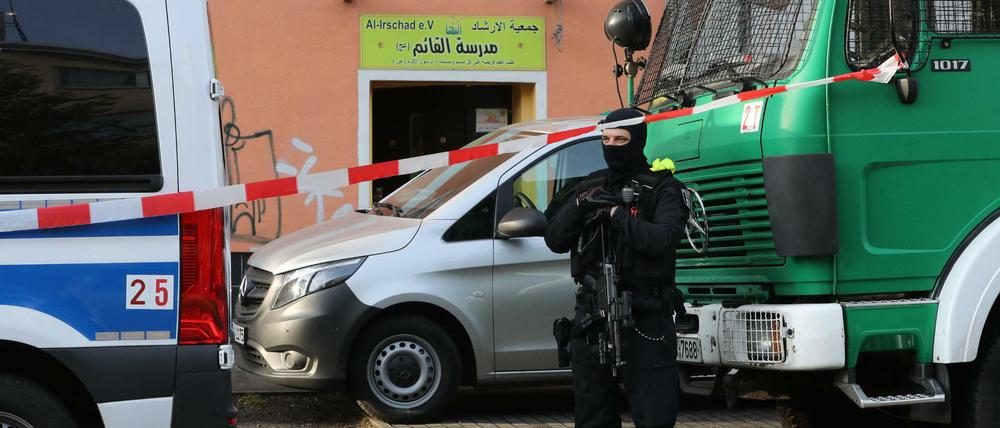
Berlin Bans Mosque Association for Alleged Hezbollah Support
Berlin Bans Mosque Association for Alleged Hezbollah Support
🔹 Official Context & Stated Position:
The Berlin Senate has officially banned a mosque association suspected of supporting Hezbollah. According to Berlin authorities, the association was allegedly involved in spreading extremist ideologies and providing support to Hezbollah, which is classified by Germany as a terrorist organization. The pre-dawn raids resulted in the confiscation of evidence, and the Interior Ministry has stated the ban aims to curb activities undermining Germany’s democratic order.
🔍 In-Depth Analytical Assessment:
This decision from Berlin reflects the Federal Government’s broader policy of counter-terrorism, particularly concerning organizations linked to Hezbollah. Germany has already outlawed Hezbollah activities since 2020, reflecting consensus across political lines to limit extremist activities on its soil. The mosque association ban comes amidst mounting concern over radicalization within closed communities and the spread of ideologically driven financing schemes tied to foreign influences. Such bans underline both the state’s capacity and will to protect its citizens and institutions from ideologies perceived as threatening to constitutional order (Grundgesetz). However, critics, including certain civil rights advocates, caution that bans must balance security concerns with freedoms of association and religion under Article 4 of the Grundgesetz.
This event carries several implications for Germany’s domestic security and its diplomatic image. Domestically, it strengthens the enforcement framework against entities accused of promoting extremism. However, it also brings into focus challenges in effectively integrating diverse communities and addressing alienation among minority groups. From a diplomatic perspective, it signals Germany’s commitment to international anti-terrorism initiatives, particularly in tandem with EU policies targeting Hezbollah’s activities. This stance is likely to be applauded by allies but could strain relations with states or communities where Hezbollah enjoys significant influence.
The timing of the ban is notable as Germany grapples with debates on migration, integration, and religious freedoms. While efforts to root out violent extremism are widely supported, the broader implications for intercommunal harmony, especially in Berlin, should not be overlooked. Policymakers must remain vigilant about the potential backlash, ensuring that legitimate religious organizations and community cohesion are not adversely affected. Sustained dialogue and outreach appear essential to accompanying such enforcement measures.
⚖️ Socio-Political & Institutional Impact:
- ▪ WINNER: German security services for exhibiting readiness to act against extremist threats.
- ▪ LOSER: Religious organizations indirectly cast under suspicion due to stricter monitoring measures.
- ▪ WINNER: Germany’s international reputation for strict anti-terrorism enforcement.