



Analysis of the 2025 Verfassungsschutz Report and Its Implications for Migrants in Germany

Analysis of the 2025 Verfassungsschutz Report and Its Implications for Migrants in Germany
⏱ 5 min read
Executive Summary
The 2025 Verfassungsschutz report highlights a significant rise in extremist activities across Germany, with right-wing extremism identified as the greatest threat to the democratic order. The report underscores the growing influence of extremist ideologies, particularly among youth, and the potential risks posed by political developments, such as the increasing prominence of the AfD party. The report also addresses other forms of extremism, including left-wing radicalism, Islamist terrorism, and antisemitism, while emphasizing the dangers of foreign influence and cyber threats. This analysis examines the broader socio-political implications of these findings, particularly in the context of migration and the experiences of migrants in Germany.
Strategic Context
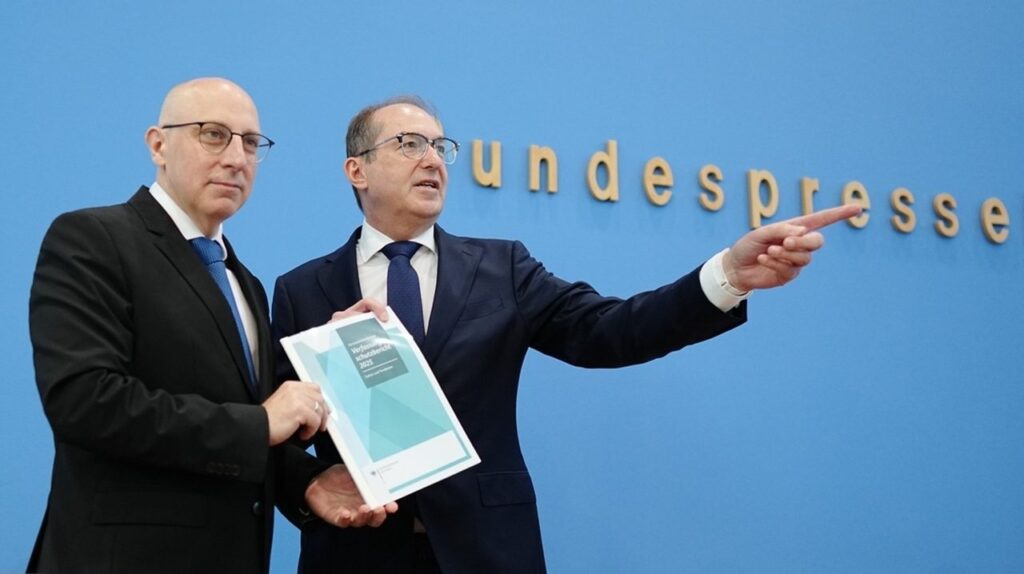
The 2025 Verfassungsschutz report, presented by Interior Minister Alexander Dobrindt, reveals a record-high number of individuals associated with extremist ideologies in Germany. Right-wing extremism remains the most significant threat, with the number of individuals identified as right-wing extremists rising to 58,700, including 15,600 classified as violence-oriented. The report also notes an 8.9% increase in right-wing extremist violent acts compared to the previous year. The AfD party, which has seen its membership grow to 70,000, continues to be monitored as a ‘suspected case’ of right-wing extremism, despite a legal challenge to its classification by the Verfassungsschutz. Concerns have been raised about the potential implications of an AfD-led government, particularly in regions like Saxony-Anhalt, where the party has a strong chance of gaining power in the upcoming elections. Critics fear that such a development could compromise national security, especially regarding the handling of sensitive information about right-wing extremists and foreign espionage activities.
The report also highlights the systematic radicalization of youth within the right-wing extremist scene, with increasing involvement of minors in violent activities. Additionally, left-wing extremism has also seen a rise, with the number of violence-oriented individuals reaching 11,600. The report documents attacks on critical infrastructure and law enforcement as evidence of heightened violence. Other threats identified include Islamist terrorism, with younger individuals being recruited, and antisemitism, exacerbated by the ongoing Middle East conflict. Furthermore, the report sheds light on the persistent risks of Russian influence, including disinformation campaigns and potential sabotage activities.
Deep Analysis
The findings of the 2025 Verfassungsschutz report have sparked significant debate among German politicians and the public. Interior Minister Alexander Dobrindt’s emphasis on right-wing extremism as the primary threat to Germany’s democratic order has drawn attention to the increasing influence of far-right ideologies. The report’s focus on the AfD party, which has been classified as a ‘suspected case’ of right-wing extremism, has further fueled political tensions. The party’s growing membership and its potential to form a government in Saxony-Anhalt have raised concerns about the implications for national security and democratic values. Critics argue that the rise of the AfD reflects broader societal divisions and dissatisfaction with mainstream political parties, highlighting the need for comprehensive strategies to address the root causes of extremism.
The report’s emphasis on the radicalization of youth, particularly within the right-wing extremist scene, has also raised alarms. The systematic targeting of young people through cultural events, family gatherings, and youth camps underscores the need for targeted interventions to counteract extremist propaganda and provide alternative narratives. The involvement of minors in violent activities poses a significant challenge for law enforcement and social services, requiring a coordinated response to address the underlying factors driving radicalization.
The increase in left-wing extremism and its associated violence has also been a topic of concern. Attacks on critical infrastructure and law enforcement highlight the potential for significant disruptions and the need for enhanced security measures. The report’s findings on Islamist terrorism and antisemitism further underscore the diverse and multifaceted nature of the extremist threat landscape in Germany. The government’s response to these challenges, including proposed reforms to the Verfassungsschutz, will be closely scrutinized in the coming months.
Impact on Migrants
The findings of the Verfassungsschutz report have significant implications for migrants in Germany, particularly in light of the documented rise in right-wing extremist activities. Migrants, especially asylum seekers, are often targeted by right-wing extremists, as evidenced by the report’s mention of planned attacks on asylum accommodations. The increasing radicalization of youth within the right-wing extremist scene further exacerbates the risks faced by migrant communities, as these ideologies often manifest in acts of violence and discrimination against individuals perceived as ‘outsiders.’
Additionally, the report’s focus on antisemitism and Islamist terrorism has the potential to further stigmatize certain migrant groups, particularly those of Middle Eastern or Muslim backgrounds. This could lead to increased social tensions and challenges in integration efforts. The government’s response to these issues, including measures to counteract extremist propaganda and promote social cohesion, will be critical in ensuring the safety and well-being of migrant communities in Germany.
Outlook & Conclusion
The 2025 Verfassungsschutz report underscores the growing challenges posed by extremism in Germany, with significant implications for the country’s democratic order and social fabric. The rise in right-wing extremism, left-wing radicalism, Islamist terrorism, and antisemitism highlights the need for comprehensive and coordinated responses to address these threats. For migrants, the findings of the report underscore the importance of targeted measures to protect vulnerable communities and promote integration. As Germany grapples with these challenges, the government’s ability to balance security concerns with the principles of inclusivity and democracy will be crucial in shaping the country’s future.
Primary Source: tagesschau.de