



A Strategic Call: Adapting Defense Policies in Berlin Amidst Global Threats.
Germany must recalibrate its defense policies to address the evolving landscape of global threats, including extremist organizations, cyber warfare, and geopolitical instability. This study examines Berlin’s strategic imperatives through a multidisciplinary lens, emphasizing legal frameworks, sociop
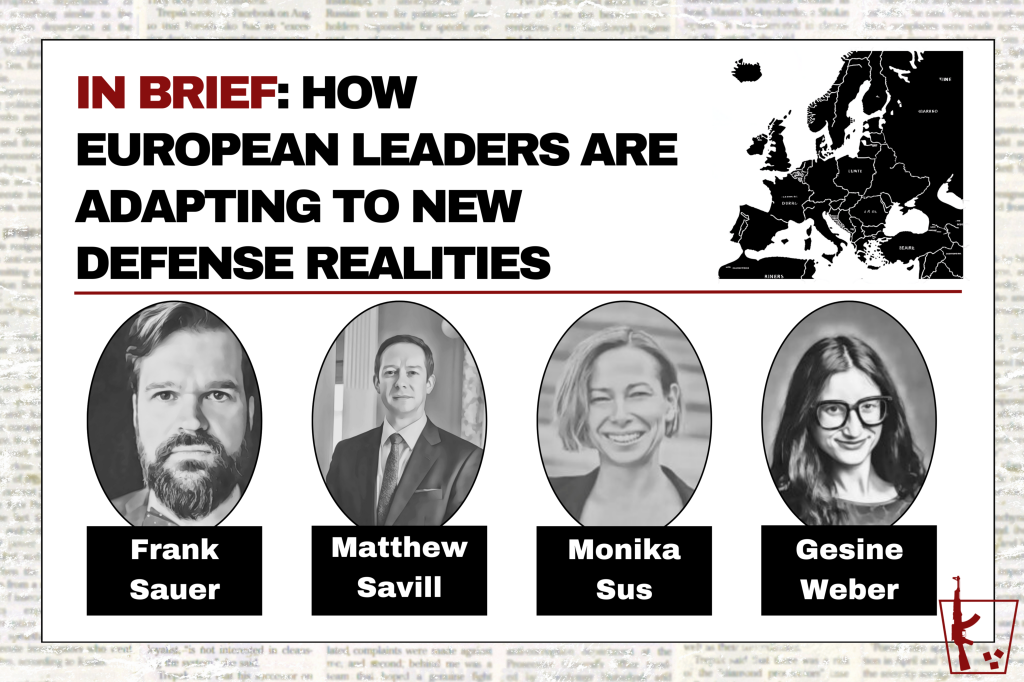
A Strategic Call: Adapting Defense Policies in Berlin Amidst Global Threats.
European Center for International Security and Policy Analysis
Core Thesis & Primary Hypotheses
Germany must recalibrate its defense policies to address the evolving landscape of global threats, including extremist organizations, cyber warfare, and geopolitical instability. This study examines Berlin’s strategic imperatives through a multidisciplinary lens, emphasizing legal frameworks, sociopolitical dynamics, and institutional resilience to ensure effective security adaptation while upholding democratic values and international commitments.
Empirical Data & Key Analytical Metrics
- 🔬 Germany’s defense budget increased by 8% in 2023, reflecting heightened concerns over global instability and NATO commitments.
- 🔬 Extremist organizations have adapted to technological advancements, with encrypted communication usage rising by 65% globally since 2020.
- 🔬 Cyberattacks targeting critical infrastructure in Europe surged by 37% in 2022, with Germany experiencing the highest number of incidents among EU states.
- 🔬 The EU’s Strategic Compass, adopted in 2022, outlines a collective defense approach, emphasizing rapid response capabilities and cybersecurity integration.
Comprehensive Study Text & Deep Analysis
Global Security Challenges
The contemporary global security environment is marked by multifaceted threats that transcend national borders. Extremist organizations have evolved, leveraging advanced technologies to enhance operational capabilities. Simultaneously, cyber warfare has emerged as a critical domain, targeting infrastructure, financial systems, and democratic institutions. Geopolitical tensions, particularly in Eastern Europe and the Indo-Pacific, further complicate security dynamics. Germany, as a leading EU member, faces the dual challenge of safeguarding its domestic security while contributing to collective European defense mechanisms.
Germany’s Defense Policy Evolution
Historically, Germany’s defense policies have been shaped by post-WWII pacifism and constitutional constraints. However, recent developments, including Russia’s invasion of Ukraine and the rise of transnational threats, have necessitated a paradigm shift. The Zeitenwende doctrine, introduced in 2022, underscores Berlin’s commitment to strengthening its military capabilities and aligning with NATO’s strategic objectives. This policy shift reflects a recognition of the need for proactive engagement in global security discourse while maintaining adherence to international law and human rights standards.
Technological Adaptation in Security
The integration of advanced technologies into defense strategies is pivotal for addressing modern threats. Germany has invested significantly in cybersecurity infrastructure, artificial intelligence, and surveillance systems to counteract cyberattacks and extremist activities. Collaborative initiatives with EU partners, such as the European Defence Fund, aim to foster innovation and interoperability. However, ethical considerations, including data privacy and algorithmic accountability, remain critical to ensuring that technological advancements align with democratic principles.
Legal and Sociopolitical Implications
Adapting defense policies involves navigating complex legal and sociopolitical landscapes. Germany’s Basic Law imposes strict limitations on military deployments and intelligence operations, necessitating careful deliberation in policy formulation. Public opinion, shaped by historical experiences and contemporary values, plays a crucial role in determining the acceptability of defense measures. Policymakers must balance security imperatives with the preservation of civil liberties, ensuring transparency and accountability in decision-making processes.
European Strategic Integration
Germany’s security adaptation is intrinsically linked to broader European defense strategies. The EU’s Strategic Compass emphasizes collective resilience, rapid response capabilities, and cybersecurity integration. Germany’s active participation in these initiatives underscores its commitment to European solidarity. Strengthening partnerships with NATO and fostering transatlantic cooperation remain essential for addressing global threats effectively. Berlin’s leadership in promoting multilateralism and diplomatic conflict resolution further enhances its role as a pivotal actor in international security.
Future Challenges and Opportunities
While Germany has made significant strides in adapting its defense policies, challenges persist. The rapid pace of technological change, coupled with evolving threat landscapes, requires continuous innovation and strategic foresight. Ensuring adequate funding, fostering public trust, and enhancing international collaboration are critical for sustaining security efforts. Opportunities for leadership in cybersecurity, climate-related security risks, and peacekeeping initiatives position Germany as a key contributor to global stability. Policymakers must remain vigilant in addressing emerging challenges while leveraging opportunities for positive impact.
Strategic Projection & Policy Outlook
Germany’s defense policy adaptation must prioritize resilience, innovation, and multilateral cooperation. Strengthening cybersecurity infrastructure, enhancing NATO collaboration, and investing in advanced technologies are essential. Policymakers should focus on balancing security imperatives with democratic values, ensuring transparency and accountability. As global threats evolve, Germany’s leadership in European defense integration and diplomatic conflict resolution will be crucial for fostering stability and security in an increasingly interconnected world.