



Managing Foreign Fighters in Syria, Security Shifts in the Sahel, and AI’s Role in Global Extremism

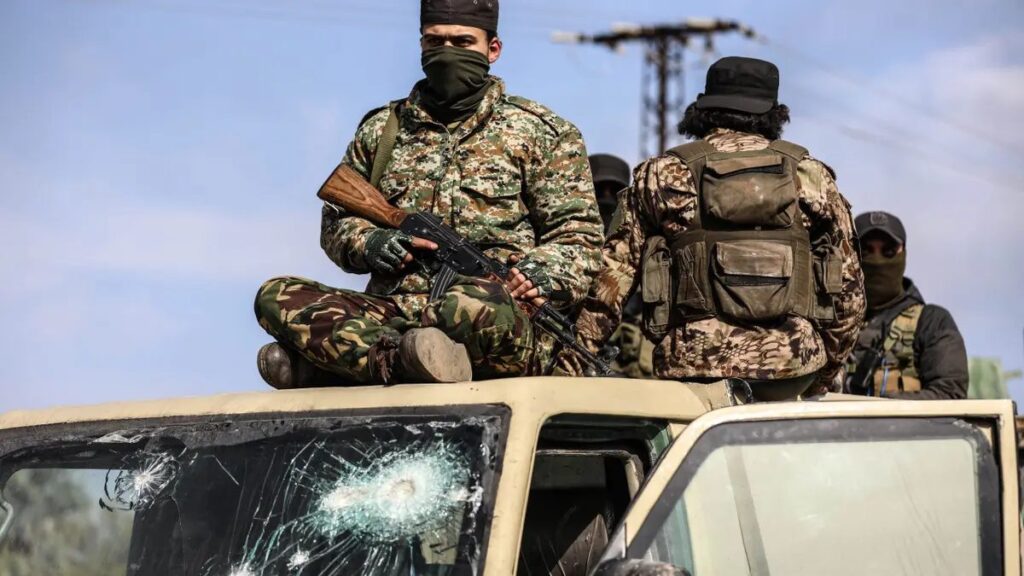
Managing Foreign Fighters in Syria, Security Shifts in the Sahel, and AI’s Role in Global Extremism
🌍 International Radar | Source: West Point Combating Terrorism Center and Washington Institute
The Global Threat
Recent studies from the Combating Terrorism Center (CTC) at West Point and the Washington Institute provide advanced analysis of security challenges in Syria, the Sahel region, and the increasing use of artificial intelligence (AI) by violent non-state actors. The research also highlights the ramifications of major terrorist attacks, such as the December 14, 2025 attack carried out by Islamic State supporters, resulting in mass casualties. Insights emphasize the growing leadership and military integration role of Ahmed al-Sharaa in Syria. Additionally, the researchers examined the operations of criminal cartels and outlined how their objectives differ significantly from traditional terrorist groups’ more enduring impacts and localized governance entanglements. Scholars like Michael Knights and Alex Almeida noted the complexities surrounding the “unprecedented” involvement of non-state groups in armed conflicts, further straining security in the Middle East and Sahel regions.
The German Implication
The security crisis involving foreign fighters raises deep concerns in Europe, particularly Germany, where the potential return of extreme fighters to their home countries poses a risk of escalating terrorism-related attacks. Security transformations in the Sahel region cast a long shadow over Europe, an essential partner in counter-terrorism efforts. The rise of AI-driven strategies by violent groups adds troubling dimensions, particularly around the potential deployment of advanced technologies targeting critical infrastructure within the European Union. Criminal cartels continue to pose constant threats through weapons and drug trafficking, undermining European internal security. Recent analyses stress the importance of enhancing European collaboration in AI monitoring and cross-border response strategies. Furthermore, coordinated military efforts to support operations against ISIS in Syria represent a cornerstone of a comprehensive security framework addressing transatlantic challenges.
Doctrine Directives
- 🛡️ Strengthen intelligence collaboration between Europe and the Middle East to address threats posed by foreign fighters.
- 🛡️ Conduct joint studies to apply smart governance to AI-driven technologies for security purposes.
- 🛡️ Expand coordinated military operations within the Sahel to provide sustainable infrastructure for counter-terrorism efforts.
- 🛡️ Bolster cybersecurity defenses to counter attempts at AI-driven infiltration.
- 🛡️ Develop security protocols around the return of foreign fighters and optimal integration methods.
The Blind Spot
The studies fail to offer clear interventions against the escalation of global criminal cartel activities and their influence on trade and domestic Western security or long-term solutions to dismantle networks linked to terrorism and organized crime.