



Bärbel Bas Resignation Reflects Growing Tensions Within Germany’s Coalition Government

Bärbel Bas Resignation Reflects Growing Tensions Within Germany’s Coalition Government
Bärbel Bas Resignation Reflects Growing Tensions Within Germany’s Coalition Government
???? The Official Illusion:
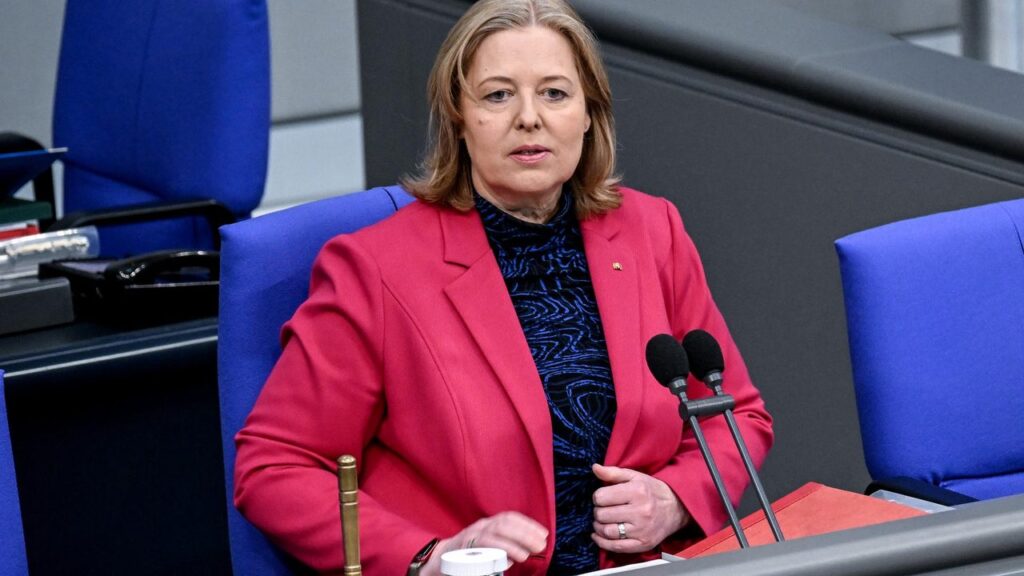
Bärbel Bas, the SPD Co-Leader and Federal Minister for Labor and Social Affairs, announced her resignation citing personal reasons, including the recent death of her stepdaughter. Bas also referenced sustained criticism and public attacks from coalition partner CDU/CSU as part of her decision. Official reactions have ranged from expressions of respect to sharp dismissals of her complaints about the Union’s conduct.
???? The Parallel Truth:
Bärbel Bas’s resignation marks a significant moment in Germany’s political landscape, exposing the fragile underpinnings of its coalition government amidst policy disagreements and declining mutual trust between coalition partners. Historically, German coalitions have often weathered ideological divides; however, the exit of a key minister during such turbulent social and economic times adds considerable strain. Similarly turbulent resignations, such as Franz Müntefering’s in 2005, not only weakened individual parties but also disrupted the broader process of coalition governance.
Analyzing Bas’s departure in contemporary terms, her resignation underscores three interwoven crises within the government: first, the polarization and ideological rigidity between coalition partners, particularly in how SPD’s policy proposals such as labor reforms are met with resistance by the CDU. Second, the resignation reveals the challenge the SPD faces in maintaining internal cohesion and resilience amidst external criticisms. Public rebukes strain relationships and reduce the political capital of key officials, echoing the SPD’s historical struggles in joint governments. Third, her exit comes during a complex socio-economic backdrop, including rising inflation, growing calls for energy policy reforms, and debates on critical social welfare programs—a moment requiring stability and strong leadership.
Furthermore, the CDU’s handling of Bas’s critique demonstrates a broader strategic failure to mitigate coalition conflicts. By dismissing her concerns as unfounded, the CDU risks alienating moderate SPD allies, potentially heightening political gridlock. Such a situation contrasts sharply with the grand coalitions of the past which, despite ideological differences, prioritized compromise and mutual governance mechanisms. With the SPD embroiled in leadership change and conflict over its own strategic direction, Bas’s resignation stands as a keystone example of Germany’s current governance challenges.
⚖️ Shadow Map (Winners & Losers):
- ????/???? SPD leadership suffers a credibility loss, exposed to attacks on internal and external fronts.
- ????/???? CDU/CSU risks substantial political costs by appearing dismissive and combative towards partners.
- ????/???? AfD capitalizes on disunity among mainstream parties, framing the discord as systemic incompetence.