



Munich Summit Highlights EU Migration Return Hub Challenges Amid German Concerns

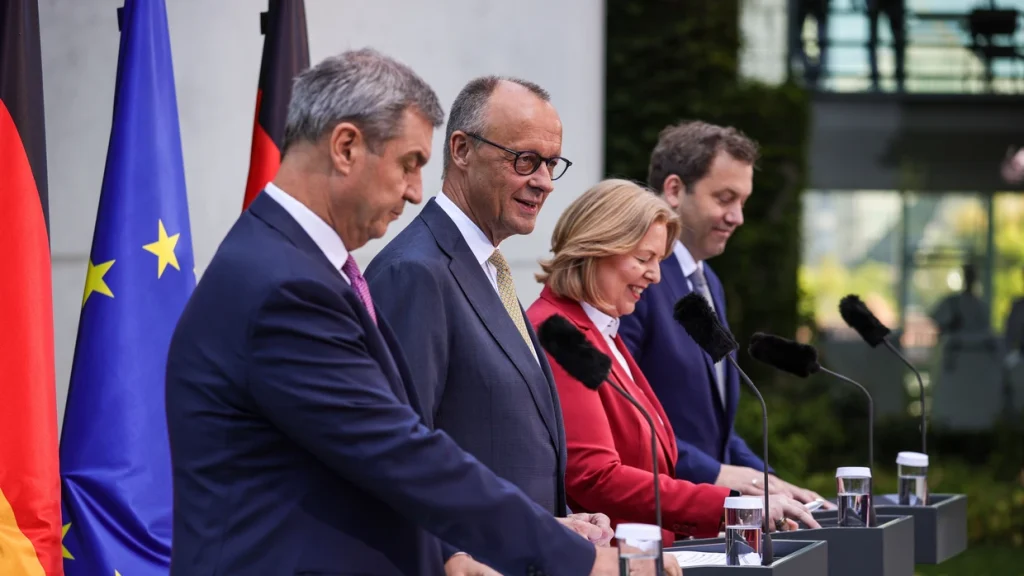
Munich Summit Highlights EU Migration Return Hub Challenges Amid German Concerns
⏱ 4 min read
Executive Summary
The Munich summit on EU migration return hubs showcased the bloc’s struggle to implement offshoring policies for rejected asylum seekers, with Germany playing a pivotal role in shaping the discourse. Despite declining irregular arrivals, political divisions and logistical hurdles persist, raising questions about the feasibility and ethical implications of such measures.
Strategic Context
Deep Analysis
Impact on Migrants
For migrants in Germany, the Munich summit signals a potential shift in policy that could have profound implications for their future. The emphasis on return hubs and third-country facilities raises fears among asylum seekers, particularly those facing rejection, about being forcibly relocated to unfamiliar and potentially unsafe environments. This uncertainty adds to the already precarious situation many migrants face, including limited access to social services and discrimination in daily life.
Moreover, the political rhetoric surrounding migration management risks further stigmatizing migrant communities in Germany. As debates over return hubs intensify, migrants may find themselves increasingly marginalized, with public discourse framing them as problems to be solved rather than individuals seeking refuge. This alienation could hinder integration efforts and exacerbate social tensions, particularly in urban areas where migrant populations are concentrated.
Outlook & Conclusion
The Munich summit underscores the EU’s ongoing struggle to balance migration control with ethical considerations, with Germany at the forefront of these debates. While declining irregular arrivals offer a glimmer of hope, the return hubs policy remains mired in controversy and logistical challenges. For Germany, the path forward will require navigating political divisions, addressing public concerns, and ensuring that migration policies uphold the nation’s commitment to human rights. As the 2027 target looms, the stakes are high for both policymakers and migrant communities.
Primary Source: euobserver.com