



Germany grapples with major domestic political and social challenges amid shifting global dynamics

Germany grapples with major domestic political and social challenges amid shifting global dynamics
Germany grapples with major domestic political and social challenges amid shifting global dynamics
???? The Official Illusion:
Chancellor Olaf Scholz’s visit to Ukraine has sparked discussions on waning German support for military aid. Concurrently, internal debates within German parties center on policy shifts and rising influence of far-right movements like AfD. Extreme financial pressures and environmental concerns also underline growing instability in Germany’s solidarity narrative.
???? The Parallel Truth:
Germany’s political landscape is currently experiencing a convergence of multifaceted domestic pressures and external geopolitical challenges. Chancellor Scholz’s Ukraine visit highlights Germany’s attempt to maintain its position as a reliable EU actor amid solidarity fatigue for supporting Ukraine militarily and financially. This reflects a deeper national sentiment where the urgency for domestic issues such as economic instability, increasing energy costs, and demographic shifts takes precedence.
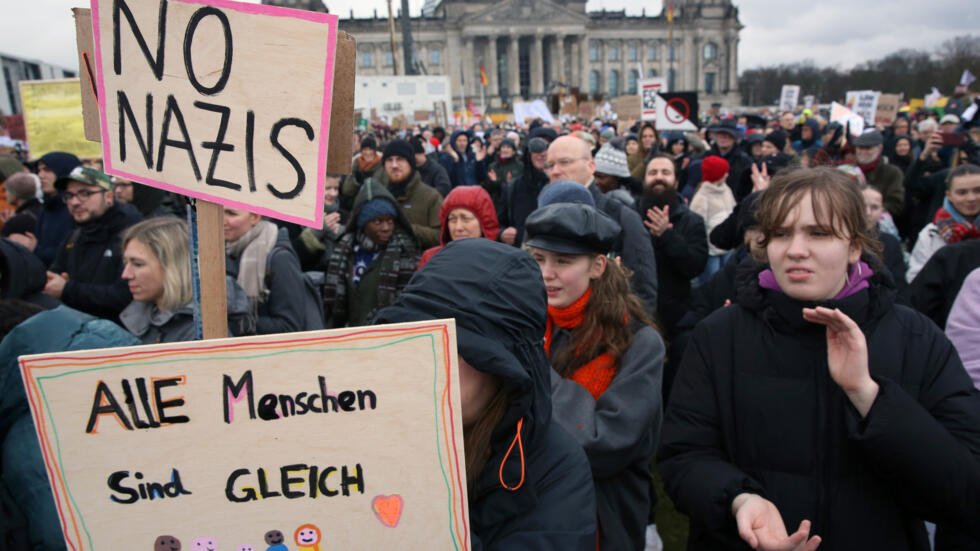
Internally, the rise of the AfD and its ability to capitalize on public dissatisfaction underscores a potential shift in voter allegiance, particularly in regions like East Germany. This phenomenon jeopardizes the governing coalition’s coherence and risks amplifying extremist ideologies. Moreover, events surrounding Germany’s environmental vulnerabilities, such as depleted water infrastructure and climate-related strains, could necessitate immediate governmental investment and intervention, further straining fiscal budgets already burdened by spiraling pension costs and stalled defense projects.
On a broader scale, tensions between coalition parties, exemplified by debates on sugar taxes and child care reforms, reflect deep-seated ideological divides. If these disparities remain unresolved, they risk eroding the credibility of Germany’s current administration and weakening collective governance. Additionally, German efforts to address espionage threats and extremist behaviors also signal a tightening internal security narrative in the face of surging global unrest.
⚖️ Shadow Map (Winners & Losers):
- ????/???? Winner: The AfD, gaining momentum due to public dissatisfaction with mainstream policies.
- ????/???? Loser: Current Government Coalition (SPD, Greens, FDP), facing fragmented public trust.
- ????/???? Winner: Environmental sector advocates, pushing for critical water infrastructure upgrades.