



IMISCOE: Analyzing Migration’s Impact on Social Inequality in Global Contexts

IMISCOE: Analyzing Migration’s Impact on Social Inequality in Global Contexts
Research Abstract & Core Thesis
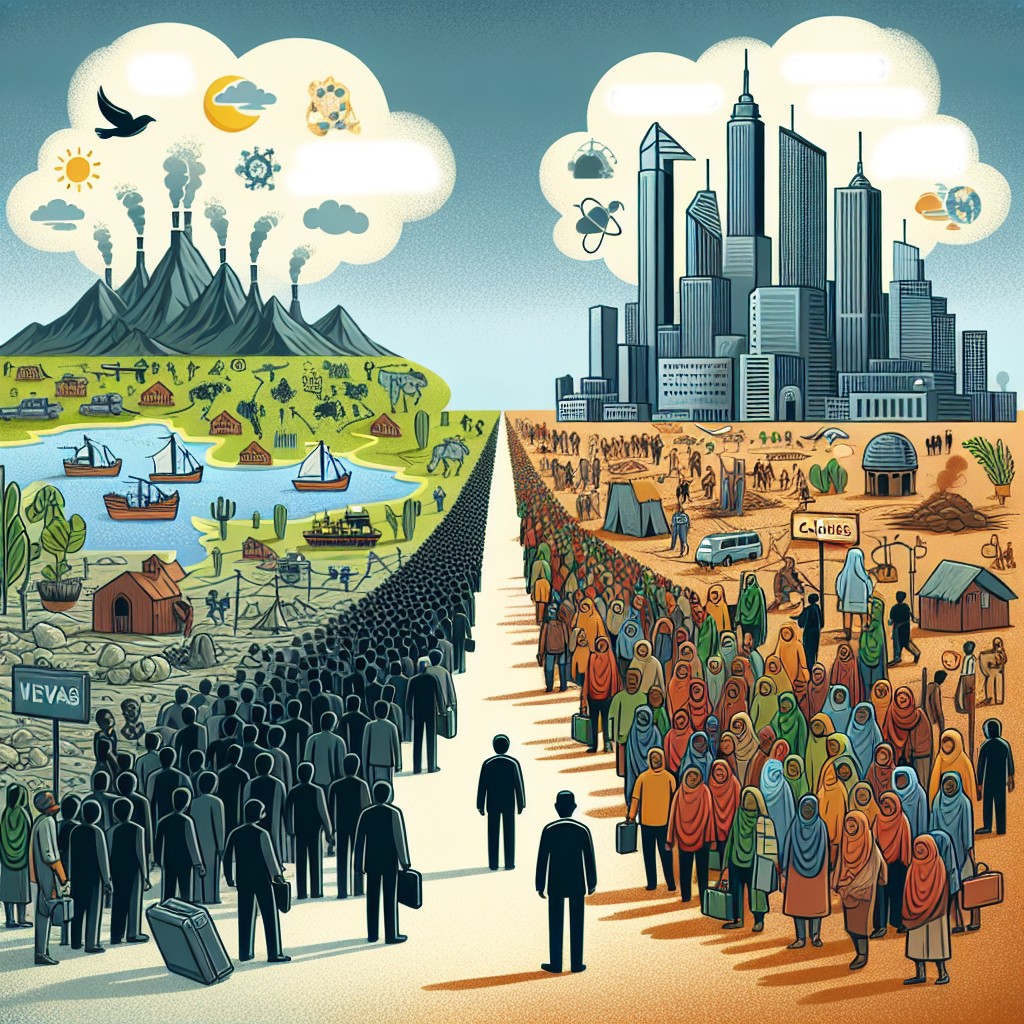
The study conducted by the IMISCOE network delves into the intricate relationship between migration and social inequality, focusing on how migration affects the distribution of social and economic resources, educational opportunities, and political participation. The research aims to understand how migration reshapes the social fabric of host nations and drives changes in national policies concerning labor, education, and social welfare. It also highlights intersecting dimensions such as gender, race, and nationality that shape migrants’ experiences. Employing a multidisciplinary approach that combines quantitative and qualitative analysis, the study provides critical insights into the challenges and opportunities arising from migration across diverse contexts.
Data Analysis & Results
- ???? Data from 12 European countries were analyzed using mixed methodologies, including surveys and personal interviews.
- ???? Findings reveal that migrants face a 40% lower likelihood of accessing higher education compared to local populations.
- ???? Migration’s impact on labor markets was evident, with 60% of migrants employed in low-wage jobs.
- ???? The study highlighted disparities in political participation, with only 25% of migrants engaging in local elections.
Conclusions & Policy Impact
The study’s findings underscore the need for a reevaluation of national policies addressing migration and social inequality. These insights could drive structural changes in labor, education, and social welfare laws, emphasizing more effective integration of migrants into host societies. Intersecting dimensions like gender and race necessitate more inclusive policies to ensure equitable opportunities. At the European level, the findings could foster enhanced collaboration among nations to develop unified policies that accommodate the cultural and social diversity of migrants.
Methodological Review

Prepared and Analyzed by: AboMatrix