



South Africa’s Migration Policies Amid Rising Tensions

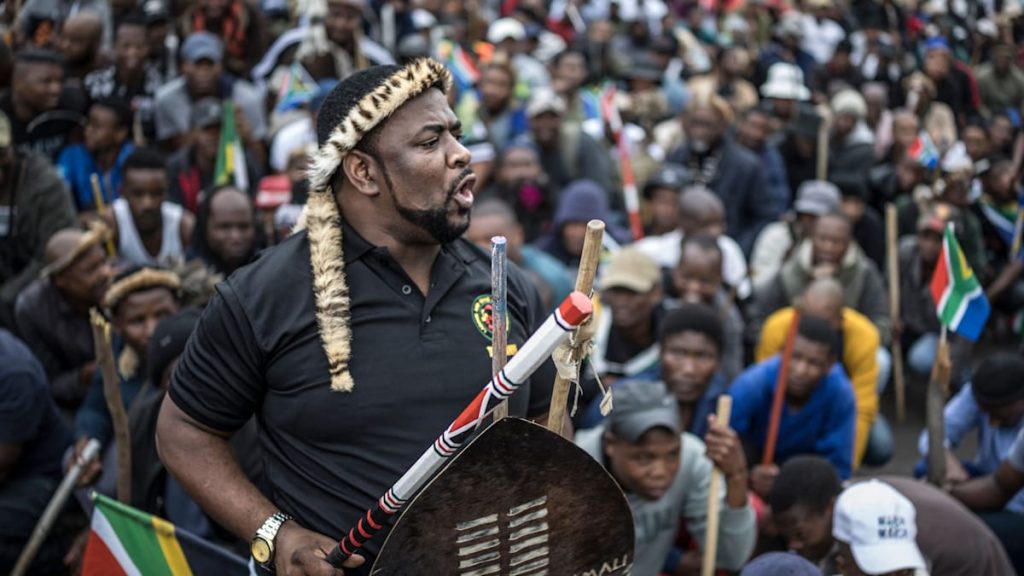
South Africa’s Migration Policies Amid Rising Tensions
⏱ 3 min read
Executive Summary
South Africa is witnessing a surge in anti-migrant sentiment, with the citizen movement ‘March and March’ demanding the expulsion of undocumented migrants. This has led to violent protests, mass departures, and heightened political tensions ahead of local elections. The government is balancing stricter immigration controls with calls for calm and inclusivity.
Strategic Context
South Africa, the most industrialized economy in Africa, has long been a destination for migrants seeking better opportunities. Its relatively strong infrastructure and economic prospects attract individuals from across the continent. However, the country faces significant challenges, including a 30% unemployment rate, high crime levels, and economic stagnation. These issues have fueled xenophobic sentiments, especially during politically sensitive periods like elections.
Historically, South Africa has experienced waves of anti-migrant violence, with major incidents in 2008 and 2015 resulting in dozens of deaths. Migrants, particularly those from neighboring African countries, are often scapegoated for economic and social challenges. This backdrop has created fertile ground for movements like ‘March and March,’ which advocate for stricter immigration enforcement and mass deportations.
In-Depth Analysis
The rise of the ‘March and March’ movement reflects deep-seated frustrations among South Africans grappling with unemployment and economic hardship. By targeting undocumented migrants, the movement has tapped into widespread fears about job competition and crime, albeit without substantial evidence to support these claims. The group’s rhetoric, however, risks exacerbating social divisions and fueling violence.
President Cyril Ramaphosa’s government faces a delicate balancing act. On one hand, it must address legitimate concerns about border management and undocumented migration. On the other hand, it must uphold South Africa’s constitutional commitment to human rights and prevent the scapegoating of vulnerable populations. The announcement of stricter immigration controls appears to be an attempt to placate both sides.
Internationally, the situation has drawn criticism from human rights organizations and neighboring countries. Nations like Nigeria, Ghana, and Uganda have organized repatriation efforts for their citizens, highlighting the regional implications of South Africa’s migration policies. The United Nations has also expressed concern, urging South Africa to address the root causes of xenophobia and ensure the safety of all residents.
Impact on Migrants
The immediate impact on migrants, both documented and undocumented, has been profound. Over 25,000 foreign nationals have already left South Africa, either voluntarily or through deportation. Many legal migrants, fearing violence, have also chosen to return to their home countries. This underscores the climate of fear and uncertainty that has gripped migrant communities.
For those remaining, the situation is precarious. Migrant-owned businesses have been targeted in violent attacks, and many live in fear of further unrest. The government’s promise of stricter immigration controls could lead to increased deportations and harsher conditions for those seeking asylum or economic opportunities in South Africa. This raises urgent questions about the country’s commitment to regional solidarity and human rights.
Outlook & Conclusion

Prepared & Analyzed by: Migration Policy Unit | AboMatrix