



EU Pressures Serbia to Align Visa Policies Amid Migration Concerns

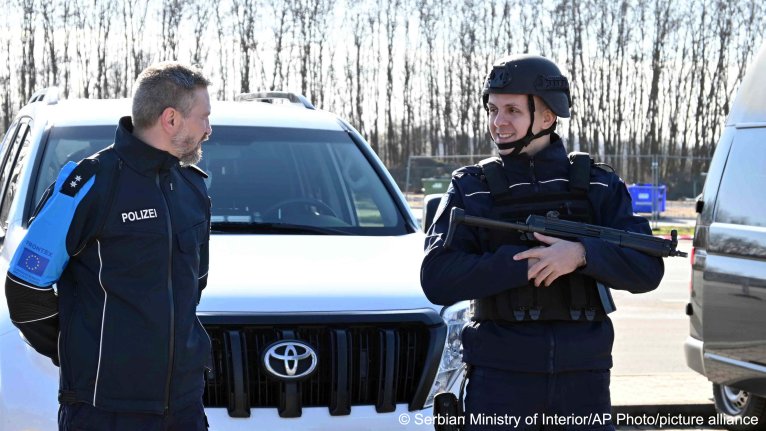
EU Pressures Serbia to Align Visa Policies Amid Migration Concerns
⏱ 3 min read
Executive Summary
The European Border and Coast Guard Agency (Frontex) has raised concerns over Serbia’s visa-free regime for Russian and Chinese nationals, which is reportedly facilitating irregular migration into the European Union. The EU is urging Serbia to harmonize its visa policies with EU standards, while neighboring Balkan countries are already implementing stricter measures. This policy shift could significantly impact migration routes and the lives of migrants and refugees in the region.
Strategic Context
The Western Balkans have long served as a critical transit corridor for migrants seeking entry into the European Union. Historically, the region’s geographic proximity to the EU, combined with its complex political landscape, has made it a focal point for migration-related challenges. Serbia, in particular, has maintained a visa-free regime for Russian and Chinese nationals, a policy rooted in its historical alliances and economic partnerships with these nations.
However, the geopolitical landscape has shifted dramatically since Russia’s invasion of Ukraine in 2022. Tens of thousands of Russian nationals have relocated to Serbia, with over 67,000 obtaining temporary residence permits by the end of 2024. Meanwhile, Chinese nationals, often arriving as tourists, have also used the visa-free regime to access the region. These developments have heightened EU concerns about irregular migration, prompting calls for policy alignment across the Western Balkans.
In-Depth Analysis
Policy Motivations and EU Concerns: The EU’s primary concern lies in the potential for irregular migration facilitated by Serbia’s visa-free policies. Frontex has identified Serbia as a key transit point for Russian and Chinese nationals attempting to enter the EU irregularly. This issue is compounded by Serbia’s reluctance to impose sanctions on Russia, which the EU views as a broader geopolitical challenge.
Regional Policy Shifts: Neighboring countries like Montenegro, North Macedonia, and Kosovo have already begun aligning their visa policies with EU standards. Montenegro, for instance, plans to introduce visa requirements for Russian nationals by September 2023 as part of its EU accession process. These changes reflect a growing regional consensus on the need for stricter migration controls.
Frontex’s Role and Future Implications: Frontex’s risk assessment for 2026-2027 underscores the urgency of harmonizing visa policies across the Western Balkans. The agency warns that inconsistent policies create loopholes that can be exploited for irregular migration. As the EU intensifies its scrutiny, Serbia faces mounting pressure to align its policies, which could reshape migration dynamics in the region.
Impact on Migrants
Legal and Procedural Changes: For migrants and refugees, the harmonization of visa policies could mean stricter entry requirements and increased scrutiny at borders. Russian and Chinese nationals, in particular, may face new visa obligations, complicating their travel plans and potentially limiting their access to the region.
Human and Social Implications: These policy shifts could also exacerbate vulnerabilities for migrants. Stricter controls may lead to longer waits, higher costs, and increased reliance on irregular routes, exposing migrants to greater risks. On the other hand, a more regulated system could improve safety and transparency in the long term, offering clearer pathways for legal migration.
Outlook & Conclusion

Prepared & Analyzed by: Migration Policy Unit | AboMatrix