



Ukraine Conflict Spurs Migration Policy Reforms in Europe

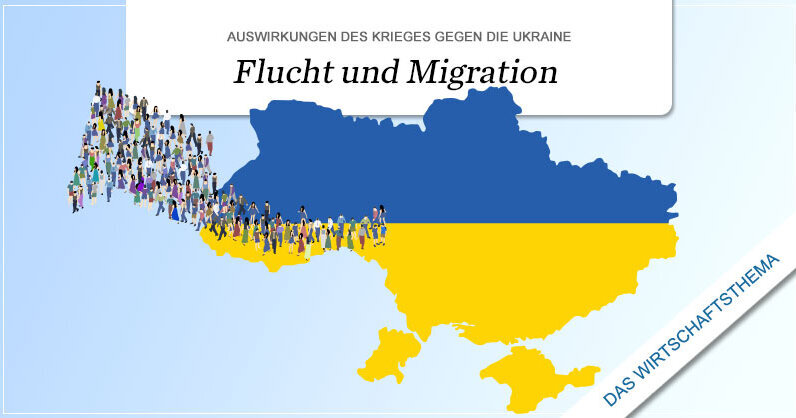
Ukraine Conflict Spurs Migration Policy Reforms in Europe
⏱ 3 min read
Executive Summary
The intensification of the Ukraine conflict has led to significant changes in European migration policies, focusing on expedited asylum processes, enhanced protections for displaced individuals, and increased collaboration among EU nations to address the humanitarian crisis effectively.
Strategic Context
Historical Context: A Conflict with Global Implications
The ongoing war in Ukraine, which began in February 2022, has caused widespread devastation, displacing millions of civilians both internally and across borders. Cities like Kyiv, Kharkiv, and Zaporizhzhia have faced relentless attacks, leaving countless families homeless and vulnerable. This conflict has not only reshaped the geopolitical landscape but has also triggered one of the largest refugee crises in recent history.
As the war escalates, European nations have been forced to adapt their migration policies to accommodate the influx of Ukrainian refugees. The EU has invoked the Temporary Protection Directive, a rarely used legal framework designed to provide immediate and collective protection to displaced persons during mass influx situations. This directive has become a cornerstone of Europe’s response to the crisis.
In-Depth Analysis
Policy Motivations: Addressing Urgent Needs
The European Union’s decision to invoke the Temporary Protection Directive stems from the sheer scale of displacement caused by the Ukraine conflict. Over 8 million Ukrainians have sought refuge in neighboring countries, creating an urgent need for streamlined asylum procedures and coordinated humanitarian efforts. By offering temporary protection, the EU aims to ensure immediate access to housing, healthcare, and employment opportunities for refugees.
Another key motivation is the geopolitical stability of the region. With Russia’s aggression threatening not only Ukraine but also the broader European security framework, migration policies have been designed to uphold human rights while mitigating potential destabilizing effects on host countries. This includes measures to prevent exploitation and ensure equitable distribution of refugees across member states.
Lastly, the policies reflect a moral and legal commitment to international humanitarian standards. The EU’s approach underscores its dedication to protecting vulnerable populations and maintaining solidarity among member states during crises.
Impact on Migrants
Legal Protections and Social Support
The Temporary Protection Directive grants Ukrainian refugees immediate legal status, allowing them to reside, work, and access social services in EU countries without undergoing lengthy asylum procedures. This legal framework significantly reduces bureaucratic hurdles, enabling displaced individuals to rebuild their lives more quickly.
Socially, the policies emphasize integration through language courses, cultural orientation programs, and community support initiatives. These measures aim to foster a sense of belonging and reduce the psychological toll of displacement. However, challenges remain, including housing shortages and the need for sustained funding to support long-term integration efforts.
Outlook & Conclusion
As the Ukraine conflict continues, European migration policies will likely evolve further to address emerging challenges. The focus must remain on balancing immediate humanitarian needs with long-term integration strategies, ensuring that displaced individuals can contribute meaningfully to their host societies while maintaining their dignity and rights.

Prepared & Analyzed by: Migration Policy Unit | AboMatrix