



Germany’s Call for Skilled Migrants: A Path to Integration

Germany’s Call for Skilled Migrants: A Path to Integration
⏱ 3 min read
Executive Summary
Germany’s Foreign Minister Johann Wadephul has emphasized the urgent need for skilled workers in the country while addressing concerns about xenophobia and racism. Speaking in São Paulo, he reassured young South Americans of Germany’s commitment to integration and inclusivity, highlighting the importance of language and cultural understanding as key to successful migration policies.
Strategic Context
Germany, like many developed nations, faces a significant shortage of skilled workers, particularly in sectors such as healthcare, engineering, and technology. This demographic challenge is compounded by an aging population and declining birth rates, making migration a critical solution to sustain economic growth and social systems.
Historically, Germany has been a destination for migrants, particularly during the post-World War II labor agreements with countries like Turkey. However, the refugee crisis of 2015 brought a new wave of asylum seekers, sparking debates on integration, cultural identity, and national security. Against this backdrop, Foreign Minister Johann Wadephul’s recent remarks in Brazil aim to address both the opportunities and challenges of migration in modern Germany.
In-Depth Analysis
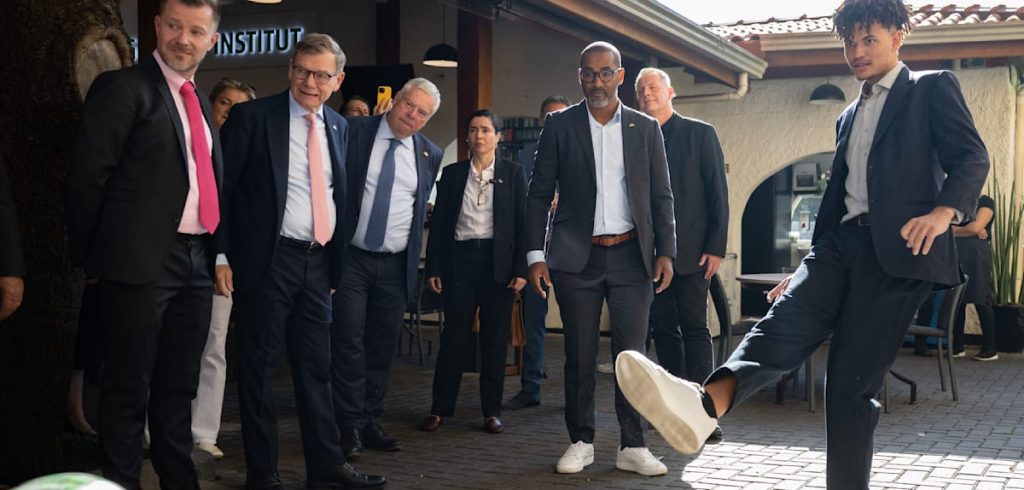
Wadephul’s visit to São Paulo underscores Germany’s proactive approach to attracting skilled migrants from South America, a region with a growing number of German language learners and cultural ties to Europe. By engaging directly with young Brazilians, he seeks to dispel fears of xenophobia and highlight Germany’s openness to those willing to integrate.
The minister’s acknowledgment of ‘overreactions’ by some Germans reflects a nuanced understanding of the social tensions surrounding migration. While he admitted to instances of migrant-related crime, he emphasized that such issues are often exaggerated, overshadowing the many success stories of integration. This balanced narrative is crucial for fostering a more inclusive society.
Furthermore, Wadephul’s emphasis on language acquisition and cultural adaptation as prerequisites for integration aligns with Germany’s broader migration policies. Institutions like the Goethe-Institute play a pivotal role in preparing migrants for life in Germany, offering language courses and cultural orientation programs. Such initiatives not only ease the transition for migrants but also address local concerns about cultural cohesion.
Impact on Migrants
For migrants and refugees, Wadephul’s statements signal a welcoming stance from the German government, provided they are willing to integrate and contribute to society. This includes learning the German language, respecting societal norms, and actively participating in the workforce. Such clarity can help alleviate uncertainties and encourage more skilled workers to consider Germany as a viable destination.
However, the emphasis on integration also places a significant responsibility on migrants to adapt quickly. While programs like those offered by the Goethe-Institute provide valuable support, the process can still be daunting, particularly for those from vastly different cultural or linguistic backgrounds. Addressing these challenges will require sustained investment in integration programs and community-building initiatives.
Outlook & Conclusion

Prepared & Analyzed by: Migration Policy Unit | AboMatrix