



Europe’s Biomanufacturing Revolution: A Strategic Policy Shift

Europe’s Biomanufacturing Revolution: A Strategic Policy Shift
⏱ 3 min read
Executive Summary
Europe faces a critical moment in industrial policy as biomanufacturing emerges as a transformative technology capable of reshaping economies and geopolitical power. With China investing heavily in this sector, European policymakers must act urgently to secure leadership, protect intellectual property, and build infrastructure to ensure competitiveness in the global bioeconomy.
Strategic Context
Historical Context: The Rise of Biomanufacturing
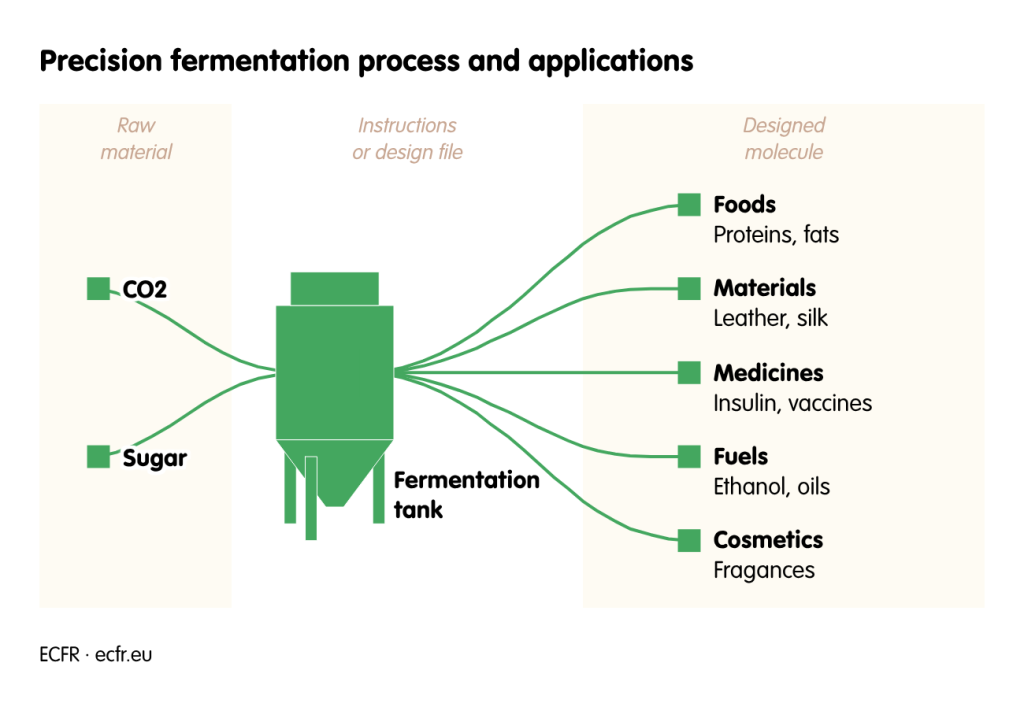
For centuries, industrial revolutions have been driven by the exploitation of natural resources, from coal to oil. Today, biomanufacturing offers a paradigm shift by using biological processes to produce essential goods like food, fuels, and chemicals. This technology, powered by advances in artificial intelligence and renewable energy, has the potential to reduce dependence on fossil fuels and reshape global economic systems.
China has recognized this opportunity, investing billions in biomanufacturing research and development. Its strategic focus mirrors past successes in electric vehicles and solar panels, where state-backed investments propelled China to global dominance. Europe, while leading in scientific innovation and patents, risks losing its competitive edge due to regulatory delays and reliance on Chinese manufacturing capacity.
In-Depth Analysis
Policy Motivations: Why Europe Must Act
China’s aggressive investment in biomanufacturing reflects its broader strategy of industrial self-reliance and geopolitical leverage. By scaling fermentation capacity and developing flagship biomanufacturing products, China aims to dominate the bioeconomy, much like it has in rare-earth refining and chip manufacturing. This dominance could create strategic chokepoints, influencing global access to essential goods.
Europe’s strengths lie in its world-class research institutions, skilled workforce, and thriving biosolutions sector worth €60 billion. However, these advantages are undermined by limited infrastructure and a lack of urgency in policymaking. European start-ups are increasingly tempted to manufacture in China, exposing intellectual property to competitive risks.
Policymakers must view biomanufacturing not as a niche sustainability issue but as a foundational technology capable of reshaping economies. Strategic investments in infrastructure, streamlined regulations, and intellectual property protections are essential to prevent Europe from repeating past mistakes in solar panels and electric vehicles.
Impact on Migrants
Legal and Social Implications for Migrants
The expansion of biomanufacturing in Europe could create up to 700,000 new jobs by 2030, offering significant opportunities for migrants and refugees. These roles, ranging from research and development to manufacturing, could provide stable employment and pathways for integration into European societies.
However, policymakers must ensure that migrants are not left behind in this industrial transition. Language training, skill development programs, and inclusive hiring practices will be critical to enabling migrants to participate fully in the bioeconomy. By prioritizing equity in workforce development, Europe can turn this technological shift into a tool for social cohesion.
Outlook & Conclusion
Europe stands at a crossroads in the race for biomanufacturing leadership. By investing strategically and acting decisively, it can secure its position as a global leader in this transformative technology. The stakes are high—not just for economic competitiveness but for the future of sustainable development and social inclusion.

Prepared & Analyzed by: Migration Policy Unit | AboMatrix