



EU Heatwave Sparks Air Conditioning Scandal

Daily Monitor
September 23, 2026
EU Heatwave Sparks Air Conditioning Scandal
Europe’s record-breaking heatwave exposes inequalities in air conditioning access at EU headquarters, igniting public outrage.
Europe is grappling with an unprecedented heatwave, shattering temperature records and exposing vulnerabilities in infrastructure and governance. The crisis has claimed over 1,300 lives since June 21, according to the World Health Organization, with excess mortality linked to extreme heat. As temperatures soar, the continent faces mounting challenges, from disrupted transportation systems to strained energy grids.
A controversy has erupted within the European Union’s headquarters in Brussels, Belgium. Reports reveal that the Berlaymont building, home to EU Commission President Ursula von der Leyen and thousands of staff, has implemented a divisive air conditioning policy. Due to the strain on the building’s power supply, cooling systems were shut off for floors one through seven, leaving lower-level employees sweltering in oppressive heat. Meanwhile, floors eight and above, where senior officials work, remained air-conditioned. This decision has sparked outrage among staff, with many condemning the move as elitist and “shameful.”
The disparity in air conditioning access highlights broader issues of inequality and governance during climate crises. Critics argue that such policies reflect a “feudal” mindset, prioritizing the comfort of high-ranking officials over the well-being of the majority workforce. The controversy has also drawn attention to Europe’s limited adoption of air conditioning, with only 20% of households equipped with cooling systems—a stark contrast to other regions like the United States.
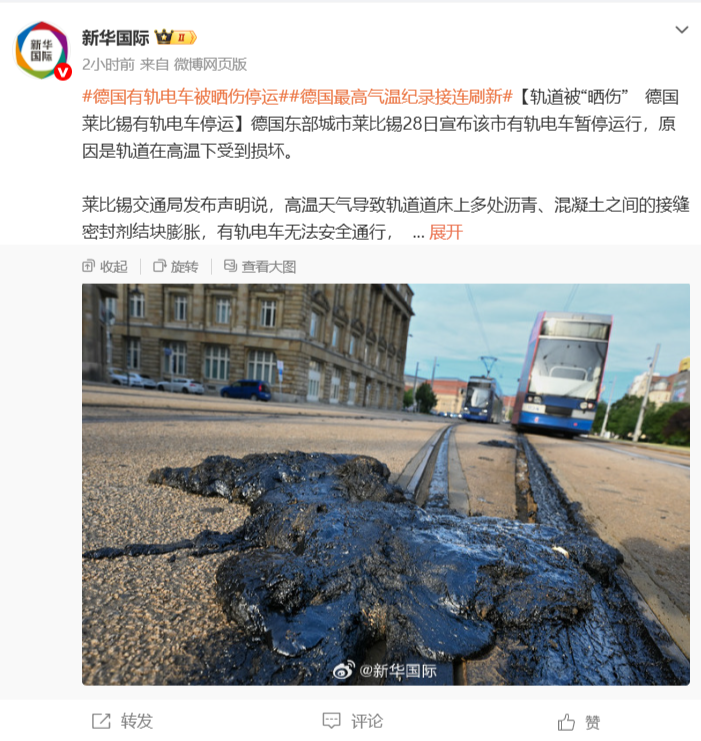
The heatwave’s impact extends beyond office buildings. In Germany, Leipzig’s tram network was forced to halt operations after extreme temperatures caused damage to rail infrastructure. Similarly, Switzerland’s Beznau nuclear power plant, the oldest in Europe, temporarily shut down as river water used for cooling reached unsafe temperatures. France has also faced disruptions, with multiple nuclear reactors scaled back or closed to protect river ecosystems from overheated discharge water.
As Europe struggles to adapt to intensifying climate conditions, the heatwave serves as a stark reminder of the urgent need for sustainable infrastructure and equitable policies. The controversy at the EU headquarters underscores the importance of addressing systemic inequalities in climate resilience, ensuring that all individuals—regardless of rank—are protected during environmental crises.
A controversy has erupted within the European Union’s headquarters in Brussels, Belgium. Reports reveal that the Berlaymont building, home to EU Commission President Ursula von der Leyen and thousands of staff, has implemented a divisive air conditioning policy. Due to the strain on the building’s power supply, cooling systems were shut off for floors one through seven, leaving lower-level employees sweltering in oppressive heat. Meanwhile, floors eight and above, where senior officials work, remained air-conditioned. This decision has sparked outrage among staff, with many condemning the move as elitist and “shameful.”
The disparity in air conditioning access highlights broader issues of inequality and governance during climate crises. Critics argue that such policies reflect a “feudal” mindset, prioritizing the comfort of high-ranking officials over the well-being of the majority workforce. The controversy has also drawn attention to Europe’s limited adoption of air conditioning, with only 20% of households equipped with cooling systems—a stark contrast to other regions like the United States.
The heatwave’s impact extends beyond office buildings. In Germany, Leipzig’s tram network was forced to halt operations after extreme temperatures caused damage to rail infrastructure. Similarly, Switzerland’s Beznau nuclear power plant, the oldest in Europe, temporarily shut down as river water used for cooling reached unsafe temperatures. France has also faced disruptions, with multiple nuclear reactors scaled back or closed to protect river ecosystems from overheated discharge water.
As Europe struggles to adapt to intensifying climate conditions, the heatwave serves as a stark reminder of the urgent need for sustainable infrastructure and equitable policies. The controversy at the EU headquarters underscores the importance of addressing systemic inequalities in climate resilience, ensuring that all individuals—regardless of rank—are protected during environmental crises.
Drafted & Edited by Investigative Desk | AboMatrix