



Germany’s Heatwave: How Care Homes Adapt

Daily Monitor
September 22, 2026
Germany’s Heatwave: How Care Homes Adapt
As Germany faces a relentless heatwave, care homes and volunteers innovate to protect the elderly from rising temperatures.
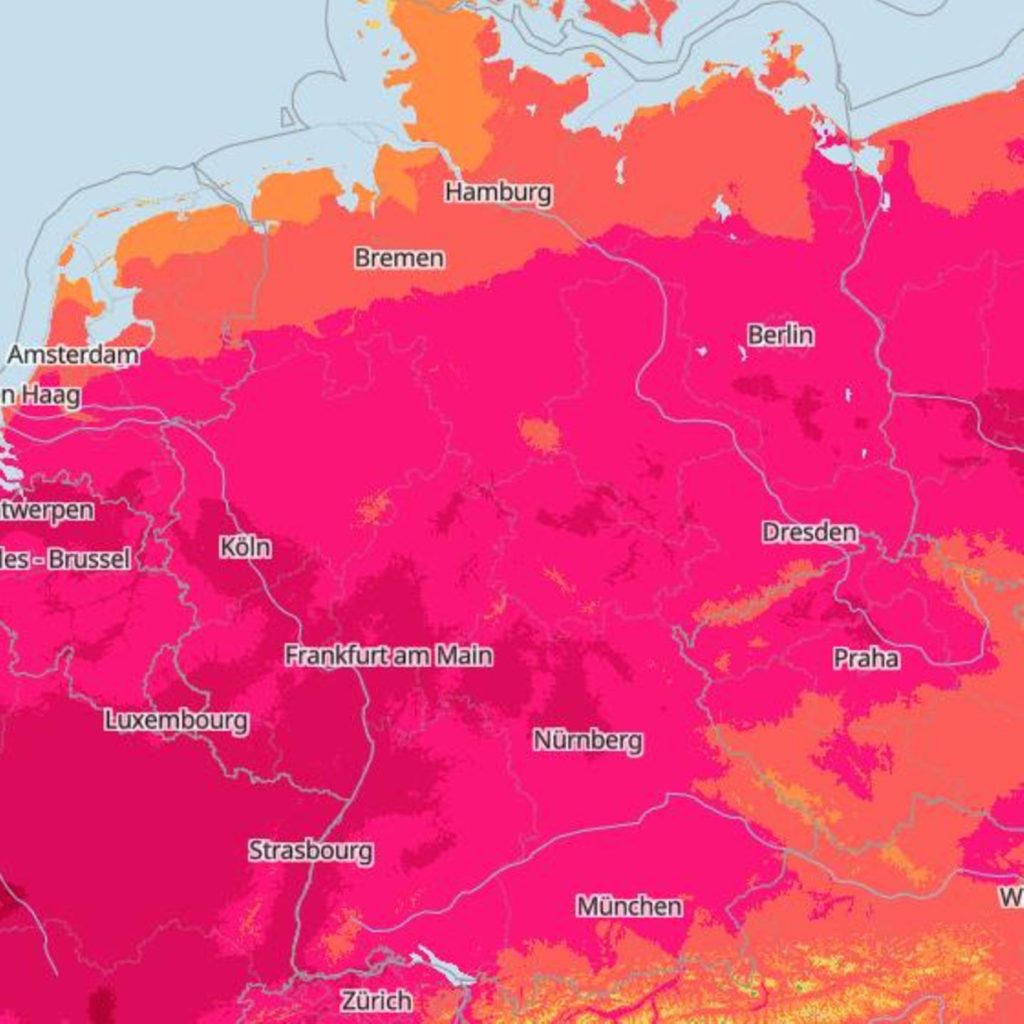
Germany is grappling with a sweltering heatwave, and for the nation’s elderly population, the soaring temperatures pose significant challenges. Care homes across the country are stepping up with creative solutions to ensure the well-being of their residents. At the Herz-Jesu-Kloster care home in Bonn, 91-year-old Elisabeth Farcas enjoys daily treats of ice cream, cold drinks, and refreshing watermelon. ‘We are well taken care of here,’ she says, as staff work tirelessly to keep the environment cool without the aid of air conditioning.
The care home’s director, Sabine Rottländer, explains their meticulous approach: ‘We close shutters, ventilate at night, and keep doors shut to block warm air.’ Staff also distribute hydration tips and encourage light activity while offering refreshing cocktails, melons, and extra rounds of drinks. These measures, though simple, are vital in combating the oppressive heat.
Beyond care homes, innovative community initiatives are addressing the needs of elderly individuals living independently. In Bielefeld, a ‘heat partnership’ program pairs volunteers with seniors to ensure their safety during extreme weather. Petra Tödheide, a trained ‘heat partner,’ checks in daily with 88-year-old Irmgard Quistorf, reminding her to stay hydrated and providing small comforts like a handheld fan. ‘Older people often don’t feel thirsty, so we must be vigilant,’ Tödheide explains, emphasizing the importance of these connections in preventing isolation and heat-related health risks.
However, the heatwave’s intensity is testing even the most prepared facilities. At St. Barbara care home in Duisburg, director Daniel Wörmann acknowledges the limits of current measures. ‘When it’s 39 degrees, nothing helps except air conditioning,’ he says. Thanks to a local support group, air conditioning units will soon be installed in the hottest areas of the building, creating ‘cooling islands’ for residents to find relief. Unfortunately, the heat forced the cancellation of their summer festival, which will now be held indoors in a scaled-down format.
Medical professionals also stress the importance of tailored hydration and diet plans for seniors. Dr. Wolfrid Schröer, a geriatric specialist, advises consulting with healthcare providers to determine appropriate fluid intake, especially for those with medical conditions. As Germany braces for more extreme weather, these collective efforts underscore the importance of community, innovation, and proactive care in safeguarding the nation’s most vulnerable.
The care home’s director, Sabine Rottländer, explains their meticulous approach: ‘We close shutters, ventilate at night, and keep doors shut to block warm air.’ Staff also distribute hydration tips and encourage light activity while offering refreshing cocktails, melons, and extra rounds of drinks. These measures, though simple, are vital in combating the oppressive heat.
Beyond care homes, innovative community initiatives are addressing the needs of elderly individuals living independently. In Bielefeld, a ‘heat partnership’ program pairs volunteers with seniors to ensure their safety during extreme weather. Petra Tödheide, a trained ‘heat partner,’ checks in daily with 88-year-old Irmgard Quistorf, reminding her to stay hydrated and providing small comforts like a handheld fan. ‘Older people often don’t feel thirsty, so we must be vigilant,’ Tödheide explains, emphasizing the importance of these connections in preventing isolation and heat-related health risks.
However, the heatwave’s intensity is testing even the most prepared facilities. At St. Barbara care home in Duisburg, director Daniel Wörmann acknowledges the limits of current measures. ‘When it’s 39 degrees, nothing helps except air conditioning,’ he says. Thanks to a local support group, air conditioning units will soon be installed in the hottest areas of the building, creating ‘cooling islands’ for residents to find relief. Unfortunately, the heat forced the cancellation of their summer festival, which will now be held indoors in a scaled-down format.
Medical professionals also stress the importance of tailored hydration and diet plans for seniors. Dr. Wolfrid Schröer, a geriatric specialist, advises consulting with healthcare providers to determine appropriate fluid intake, especially for those with medical conditions. As Germany braces for more extreme weather, these collective efforts underscore the importance of community, innovation, and proactive care in safeguarding the nation’s most vulnerable.
Drafted & Edited by Investigative Desk | AboMatrix