



Germany’s Political Challenges: Rise of Extremes and Implications for Stability

Germany’s Political Challenges: Rise of Extremes and Implications for Stability
Germany’s Political Challenges: Rise of Extremes and Implications for Stability
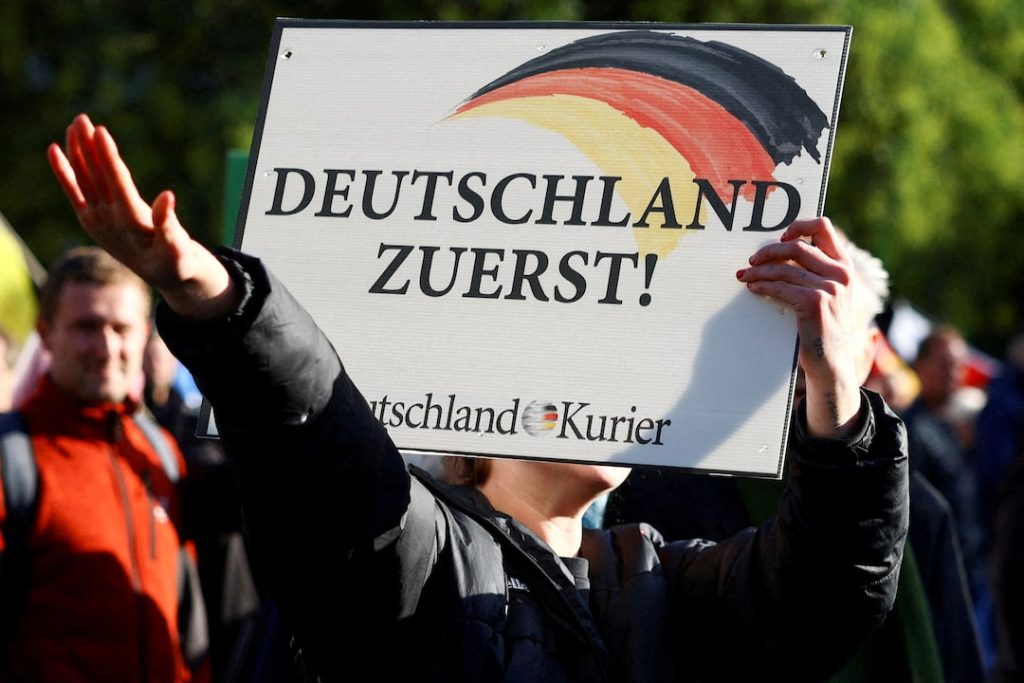
Germany is undergoing profound political shifts with the rise of extremist parties like the AfD and the decline of traditional forces such as the CDU and SPD. These dynamics raise questions about the country’s political stability and their broader impact on the European Union.
Geopolitical & Strategic Context
Historical and Political Context
Historically, traditional parties like the CDU and SPD have been the backbone of Germany’s political system. However, in recent years, these parties have seen a significant decline in popularity, paving the way for the rise of more extreme parties like the AfD. Founded in 2013, the AfD has capitalized on voter dissatisfaction with migration and economic policies, establishing itself as a formidable political force.
In recent elections, the AfD made significant gains in states like Berlin and Mecklenburg-Vorpommern, raising concerns among traditional parties. These parties are struggling to rebuild trust with voters, who perceive them as incapable of addressing pressing economic and social challenges.
The rise of extremist parties in Germany reflects a broader shift in the European political landscape, increasing pressure on traditional parties to adapt.
Strategic Implications
- ♦ Increased pressure on traditional parties to rethink their political strategies.
- ♦ Deepening political and social divisions within Germany.
- ♦ Potential impact on EU policies regarding migration and economic integration.
- ♦ Heightened risks to political stability in the region.
Future Trajectories
Future Trajectories
Traditional parties are expected to continue facing significant challenges in regaining voter trust. They may resort to forming new political alliances or undergoing leadership changes to revamp their image. Meanwhile, the AfD could continue to gain traction if underlying voter concerns remain unaddressed.
At the European level, the rise of extremist parties in Germany could lead to shifts in EU policies, particularly concerning migration and economic integration. This may exacerbate tensions among member states and impact the overall stability of the Union.

Prepared & Analyzed by: Strategic Studies Desk | AboMatrix