



Communist Mayor Triumphs in Graz Election

Daily Monitor
September 21, 2026
Communist Mayor Triumphs in Graz Election
Elke Kahr and her KPÖ secure a decisive victory in Graz, redefining local politics in Austria.
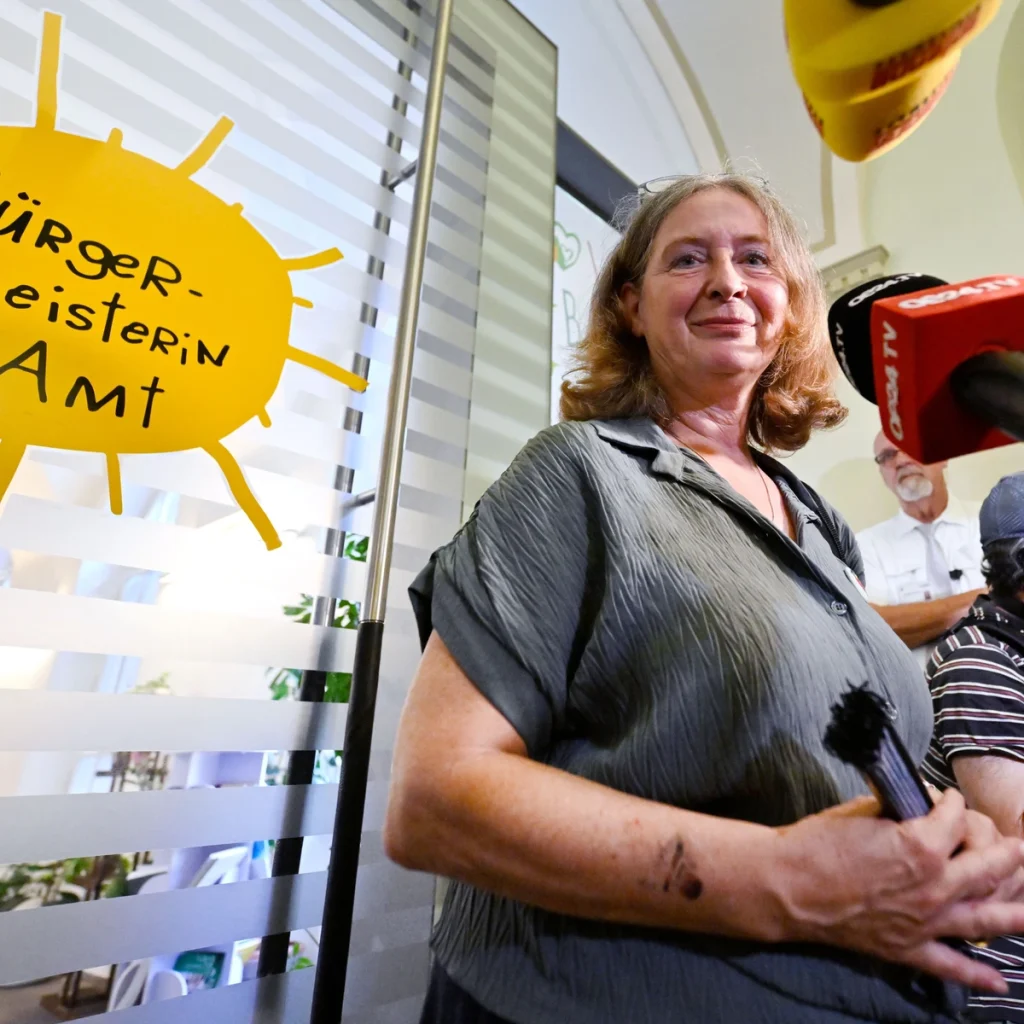
In a resounding political victory, Elke Kahr, the Communist Party of Austria (KPÖ) mayor of Graz, has successfully defended her position in the city’s municipal elections. Garnering 35.6% of the vote—a significant increase of seven percentage points compared to the last election five years ago—the KPÖ solidified its dominance in Austria’s second-largest city, home to over 300,000 residents. The conservative Austrian People’s Party (ÖVP) trailed in second place with 25.3%, while the far-right Freedom Party of Austria (FPÖ) suffered a sharp decline, securing only 12.2% and falling behind the Greens, who achieved 14.8%.
Kahr’s ascent to power in 2021 was nothing short of groundbreaking, marking the first time a communist mayor had taken the reins in Graz. Her reputation as a hands-on problem solver, cultivated during her tenure as Housing Councillor, resonated deeply with voters. Known for her pragmatic approach, Kahr has often been seen personally addressing citizens’ concerns, even picking up the phone herself to resolve issues. This grassroots connection has been pivotal in maintaining her popularity and bolstering the KPÖ’s standing in local governance.
The FPÖ’s poor performance in Graz contrasts starkly with its dominance at the national level, where it leads polls with approximately 37% support. The party’s struggles in Graz can be attributed to a series of controversies, including financial scandals and antisemitic social media posts by members, which have tarnished its image. Meanwhile, the Social Democratic Party of Austria (SPÖ) reached a historic low in Graz, securing only 5.6% of the vote, despite being part of a coalition with the KPÖ and the Greens.
Under Kahr’s leadership, the KPÖ has focused on pressing issues such as affordable housing, social infrastructure, and education—priorities that have earned her praise even from political opponents, including members of the ÖVP. While Kahr emphasizes that the KPÖ remains a party rooted in ideological principles, her pragmatic governance style has set her apart in Austria’s political landscape. This approach has not only strengthened her party’s local foothold but also challenged traditional perceptions of communist leadership in a modern European context.
As Graz continues to navigate its unique political dynamics, Kahr’s victory underscores the city’s divergence from national trends. Her ability to blend ideology with practical governance offers a compelling model for local politics, one that resonates with citizens seeking tangible solutions to everyday challenges.
Kahr’s ascent to power in 2021 was nothing short of groundbreaking, marking the first time a communist mayor had taken the reins in Graz. Her reputation as a hands-on problem solver, cultivated during her tenure as Housing Councillor, resonated deeply with voters. Known for her pragmatic approach, Kahr has often been seen personally addressing citizens’ concerns, even picking up the phone herself to resolve issues. This grassroots connection has been pivotal in maintaining her popularity and bolstering the KPÖ’s standing in local governance.
The FPÖ’s poor performance in Graz contrasts starkly with its dominance at the national level, where it leads polls with approximately 37% support. The party’s struggles in Graz can be attributed to a series of controversies, including financial scandals and antisemitic social media posts by members, which have tarnished its image. Meanwhile, the Social Democratic Party of Austria (SPÖ) reached a historic low in Graz, securing only 5.6% of the vote, despite being part of a coalition with the KPÖ and the Greens.
Under Kahr’s leadership, the KPÖ has focused on pressing issues such as affordable housing, social infrastructure, and education—priorities that have earned her praise even from political opponents, including members of the ÖVP. While Kahr emphasizes that the KPÖ remains a party rooted in ideological principles, her pragmatic governance style has set her apart in Austria’s political landscape. This approach has not only strengthened her party’s local foothold but also challenged traditional perceptions of communist leadership in a modern European context.
As Graz continues to navigate its unique political dynamics, Kahr’s victory underscores the city’s divergence from national trends. Her ability to blend ideology with practical governance offers a compelling model for local politics, one that resonates with citizens seeking tangible solutions to everyday challenges.
Drafted & Edited by Investigative Desk | AboMatrix