



Venezuela Quakes: Fury Rises Amid Chaos

Daily Monitor
September 21, 2026
Venezuela Quakes: Fury Rises Amid Chaos
As Venezuela grapples with its deadliest earthquake in over a century, public outrage against the government surges over its inadequate response.
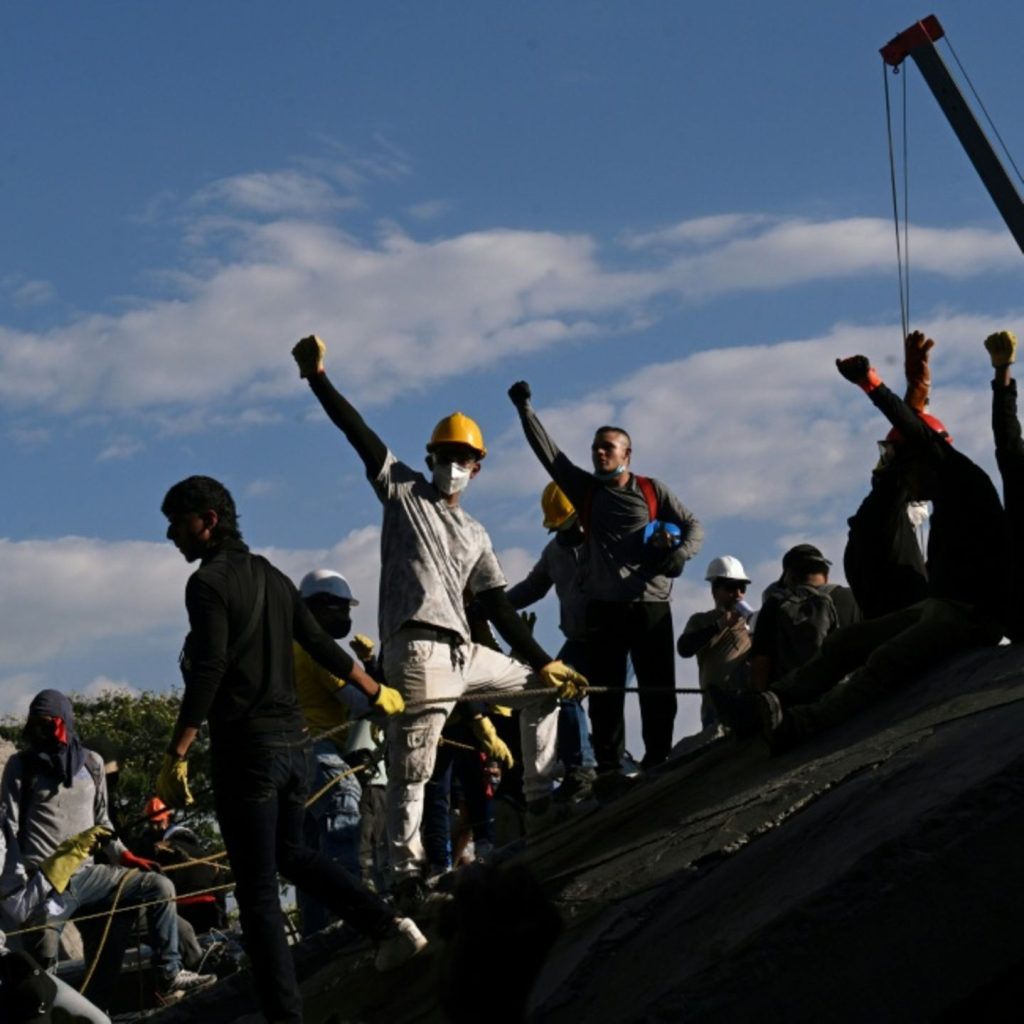
In the aftermath of Venezuela’s most devastating earthquake in over a century, the nation is gripped by a dual crisis: the desperate search for survivors and a growing wave of public anger directed at the government. Rescue teams, including those from 24 international countries, continue to comb through the rubble with the aid of sniffer dogs, managing to save lives against all odds. Over 2,700 foreign responders and 521 tons of humanitarian aid have poured into the country, offering a lifeline to those trapped beneath the debris. Yet, for many Venezuelans, this assistance is a stark contrast to the perceived inaction of their own government.
The official death toll has climbed to 1,450, with more than 3,200 injured and tens of thousands still unaccounted for. In the face of such staggering numbers, citizens have taken matters into their own hands. Across the nation, grassroots efforts have emerged as communities organize impromptu rescue missions, form donation networks, and deliver food and supplies to the hardest-hit areas. These acts of solidarity, however, underscore a grim reality: the absence of effective state intervention. Many volunteers, armed with nothing but their bare hands, dig through the ruins, driven by the urgency to save lives.
The government’s response has been marred by controversy. Authorities have restricted access to the severely affected La Guaira region, deploying military forces and requiring volunteers to obtain security passes. Yet, as videos circulating on social media reveal, many of these registration offices remain closed, leaving would-be rescuers stranded and frustrated. This bureaucratic bottleneck has only fueled public discontent, culminating in protests against the government’s lack of coordination and perceived obstruction of civilian-led relief efforts.
Interim President Delcy Rodríguez, who has been at the forefront of the government’s response, faced public humiliation during a visit to an earthquake-stricken neighborhood, where she was met with jeers and boos. Critics argue that the government’s inefficiency is symptomatic of a broader systemic collapse. Years of economic mismanagement and political instability, exacerbated by the arrest of former President Nicolás Maduro in January, have left the oil-rich nation ill-equipped to handle such a monumental disaster. As the country struggles to recover, the earthquake has laid bare the fragility of Venezuela’s institutions and the resilience of its people.
The official death toll has climbed to 1,450, with more than 3,200 injured and tens of thousands still unaccounted for. In the face of such staggering numbers, citizens have taken matters into their own hands. Across the nation, grassroots efforts have emerged as communities organize impromptu rescue missions, form donation networks, and deliver food and supplies to the hardest-hit areas. These acts of solidarity, however, underscore a grim reality: the absence of effective state intervention. Many volunteers, armed with nothing but their bare hands, dig through the ruins, driven by the urgency to save lives.
The government’s response has been marred by controversy. Authorities have restricted access to the severely affected La Guaira region, deploying military forces and requiring volunteers to obtain security passes. Yet, as videos circulating on social media reveal, many of these registration offices remain closed, leaving would-be rescuers stranded and frustrated. This bureaucratic bottleneck has only fueled public discontent, culminating in protests against the government’s lack of coordination and perceived obstruction of civilian-led relief efforts.
Interim President Delcy Rodríguez, who has been at the forefront of the government’s response, faced public humiliation during a visit to an earthquake-stricken neighborhood, where she was met with jeers and boos. Critics argue that the government’s inefficiency is symptomatic of a broader systemic collapse. Years of economic mismanagement and political instability, exacerbated by the arrest of former President Nicolás Maduro in January, have left the oil-rich nation ill-equipped to handle such a monumental disaster. As the country struggles to recover, the earthquake has laid bare the fragility of Venezuela’s institutions and the resilience of its people.
Drafted & Edited by Investigative Desk | AboMatrix