



Iranian Clerics Demand End to US Talks

Daily Monitor
September 21, 2026
Iranian Clerics Demand End to US Talks
Amid escalating tensions, influential Iranian clerics call for an immediate halt to negotiations with the United States.
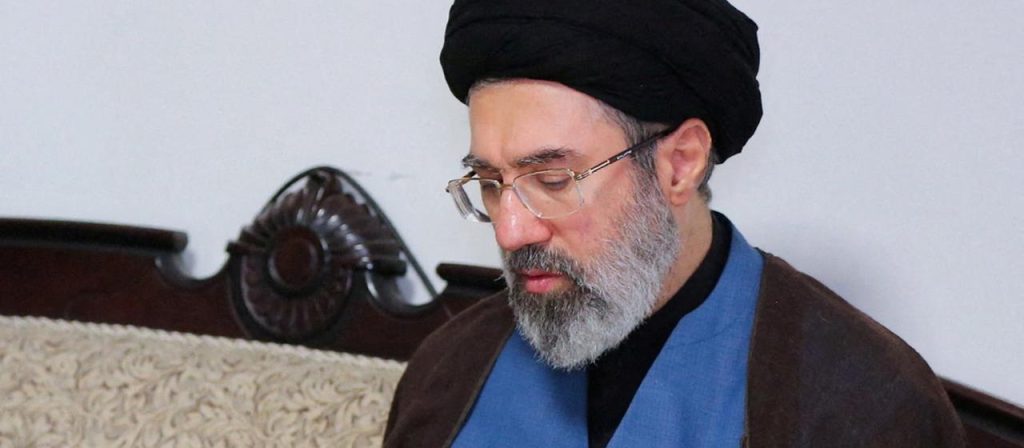
In a dramatic escalation of tensions, influential Iranian clerics from the theological centers of Qom have issued a stern call for the immediate cessation of negotiations with the United States. The demand comes in the wake of recent U.S. military strikes on Iranian targets, which were reportedly in response to alleged Iranian attacks on ships in the Strait of Hormuz. The clerics, who wield significant political and ideological influence in Iran, have cited both legal and religious grounds for their position, accusing the U.S. of violating the foundational principles of the framework agreement aimed at de-escalating hostilities.
The statement, broadcast via Iran’s state media outlet IRIB, urged President Ebrahim Raisi, the National Security Council, and the negotiation team to terminate talks if the U.S. continues to breach agreements. The clerics emphasized that such violations constitute a disregard for the commitments enshrined in the framework accord, which was designed to halt hostilities on all fronts. This call for action underscores the deepening mistrust between the two nations, as well as the growing influence of hardline factions within Iran’s political landscape.
The theological centers in Qom, often regarded as the ideological heart of Iran’s Islamic Revolution, have historically played a pivotal role in shaping the country’s policies. Since the 1979 revolution led by Grand Ayatollah Ruhollah Khomeini, these centers have been instrumental in embedding Islamic ideology into Iran’s governance. Their latest intervention signals a potential shift in Iran’s diplomatic posture, as they align with media outlets close to the Islamic Revolutionary Guard Corps (IRGC), which has also dismissed further negotiations as futile.
Meanwhile, the broader geopolitical landscape remains fraught with volatility. The recent U.S. strikes followed accusations that Iran had attacked vessels navigating the Strait of Hormuz, a critical chokepoint for global oil shipments. Tehran, in turn, has warned that safe passage through the strait is contingent on adherence to its prescribed routes. This tit-for-tat escalation has further strained the fragile ceasefire in the ongoing conflict.
Compounding the regional instability, Israel has reportedly conducted military operations against Hezbollah fighters in southern Lebanon, despite a recently brokered framework agreement between Lebanon and Israel aimed at de-escalating tensions. As the Middle East grapples with these overlapping crises, the call from Qom’s clerics adds another layer of complexity to an already precarious situation.
The statement, broadcast via Iran’s state media outlet IRIB, urged President Ebrahim Raisi, the National Security Council, and the negotiation team to terminate talks if the U.S. continues to breach agreements. The clerics emphasized that such violations constitute a disregard for the commitments enshrined in the framework accord, which was designed to halt hostilities on all fronts. This call for action underscores the deepening mistrust between the two nations, as well as the growing influence of hardline factions within Iran’s political landscape.
The theological centers in Qom, often regarded as the ideological heart of Iran’s Islamic Revolution, have historically played a pivotal role in shaping the country’s policies. Since the 1979 revolution led by Grand Ayatollah Ruhollah Khomeini, these centers have been instrumental in embedding Islamic ideology into Iran’s governance. Their latest intervention signals a potential shift in Iran’s diplomatic posture, as they align with media outlets close to the Islamic Revolutionary Guard Corps (IRGC), which has also dismissed further negotiations as futile.
Meanwhile, the broader geopolitical landscape remains fraught with volatility. The recent U.S. strikes followed accusations that Iran had attacked vessels navigating the Strait of Hormuz, a critical chokepoint for global oil shipments. Tehran, in turn, has warned that safe passage through the strait is contingent on adherence to its prescribed routes. This tit-for-tat escalation has further strained the fragile ceasefire in the ongoing conflict.
Compounding the regional instability, Israel has reportedly conducted military operations against Hezbollah fighters in southern Lebanon, despite a recently brokered framework agreement between Lebanon and Israel aimed at de-escalating tensions. As the Middle East grapples with these overlapping crises, the call from Qom’s clerics adds another layer of complexity to an already precarious situation.
Drafted & Edited by Investigative Desk | AboMatrix